
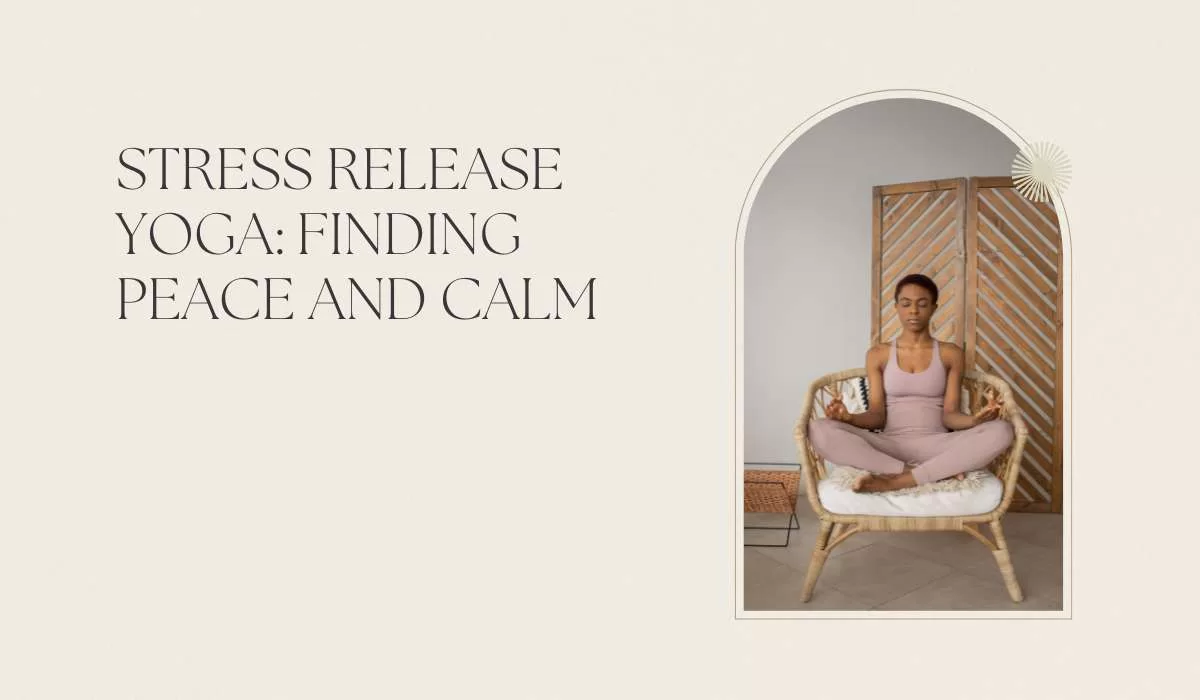

Stress is a natural response to the demands of life, and it can manifest in various ways, including physical, emotional, and mental symptoms. When we experience stress, our bodies release hormones like cortisol and adrenaline, which can lead to increased heart rate, muscle tension, and heightened emotions. Chronic stress can have detrimental effects on our overall health, leading to issues such as high blood pressure, weakened immune system, and even mental health disorders like anxiety and depression. It’s important to recognize the signs of stress and take proactive steps to manage it in order to maintain a healthy and balanced lifestyle.
Furthermore, stress can impact our daily lives by affecting our ability to concentrate, make decisions, and interact with others. It can also lead to unhealthy coping mechanisms such as overeating, substance abuse, or social withdrawal. Understanding the effects of stress on our bodies and minds is crucial in order to take the necessary steps to address it. By incorporating stress-reducing practices like yoga into our daily routines, we can effectively manage and alleviate the negative impacts of stress on our overall well-being.
The Benefits of Yoga for Stress Release
Yoga has been practiced for centuries as a means of promoting physical, mental, and emotional well-being. It combines physical postures, breathing techniques, and meditation to create a holistic approach to health and relaxation. When it comes to stress release, yoga offers a multitude of benefits. The physical practice of yoga helps to release tension in the body, promoting relaxation and reducing muscle stiffness. Additionally, the focus on breath control in yoga helps to calm the mind and reduce anxiety, leading to a sense of inner peace and tranquility.
Moreover, yoga encourages mindfulness and present-moment awareness, which can help individuals let go of worries about the past or future, and instead focus on the here and now. This shift in perspective can be incredibly powerful in reducing stress and promoting a sense of calm. Furthermore, the practice of yoga has been shown to lower cortisol levels in the body, which is a key hormone associated with stress. By incorporating yoga into your routine, you can experience a significant reduction in stress levels and an overall improvement in your mental and emotional well-being.
Techniques for Finding Peace and Calm through Yoga
In addition to physical postures and breath control, yoga offers various techniques for finding peace and calm amidst the chaos of daily life. One such technique is the practice of mindfulness meditation, which involves focusing on the present moment without judgment. This can be done through simple activities like observing your breath or paying attention to the sensations in your body. By cultivating mindfulness through meditation, you can train your mind to let go of stressful thoughts and instead focus on the present moment, leading to a greater sense of peace and calm.
Another technique for finding peace through yoga is the practice of gratitude. By taking time each day to reflect on the things you are grateful for, you can shift your focus away from stressors and towards the positive aspects of your life. This can help to reframe your perspective and reduce feelings of anxiety or overwhelm. Additionally, incorporating relaxation techniques such as yoga nidra or guided imagery into your practice can help to promote deep relaxation and release tension from both the body and mind. By incorporating these techniques into your yoga practice, you can cultivate a greater sense of peace and calm in your daily life.
Breathing Exercises for Stress Relief
| Exercise | Duration | Frequency |
|---|---|---|
| Deep Breathing | 5 minutes | 3 times a day |
| 4-7-8 Technique | 2 minutes | Whenever needed |
| Alternate Nostril Breathing | 10 minutes | Once a day |
One of the most powerful tools for managing stress is the practice of conscious breathing. In yoga, there are various breathing exercises, known as pranayama, that can help to calm the nervous system and reduce feelings of anxiety. One such technique is diaphragmatic breathing, which involves breathing deeply into the belly rather than shallowly into the chest. This type of breathing helps to activate the body’s relaxation response, leading to a sense of calm and ease.
Another effective breathing exercise for stress relief is alternate nostril breathing, which involves breathing in through one nostril and out through the other in a rhythmic pattern. This practice helps to balance the left and right hemispheres of the brain, promoting a sense of mental clarity and emotional balance. Additionally, practicing extended exhalation breathing can help to activate the body’s parasympathetic nervous system, which is responsible for promoting relaxation and reducing stress. By incorporating these breathing exercises into your daily routine, you can effectively manage stress and promote a greater sense of well-being.
Yoga Poses for Relaxation and Stress Reduction
The physical postures of yoga, known as asanas, offer a wide range of poses that can help to promote relaxation and reduce stress. One such pose is child’s pose, which involves kneeling on the floor with your forehead resting on the ground and your arms extended in front of you. This gentle stretch helps to release tension in the back and shoulders while promoting a sense of calm and introspection. Another beneficial pose for stress reduction is legs-up-the-wall pose, which involves lying on your back with your legs extended up against a wall. This pose helps to promote circulation and relaxation while calming the nervous system.
Furthermore, forward bends such as seated forward fold or standing forward fold can help to release tension in the back and hamstrings while promoting a sense of calm and introspection. Additionally, restorative poses such as supported bridge pose or reclining bound angle pose can help to promote deep relaxation and release tension from the body. By incorporating these yoga poses into your practice, you can experience a significant reduction in stress levels and an overall improvement in your physical and mental well-being.
Incorporating Meditation into Your Yoga Practice
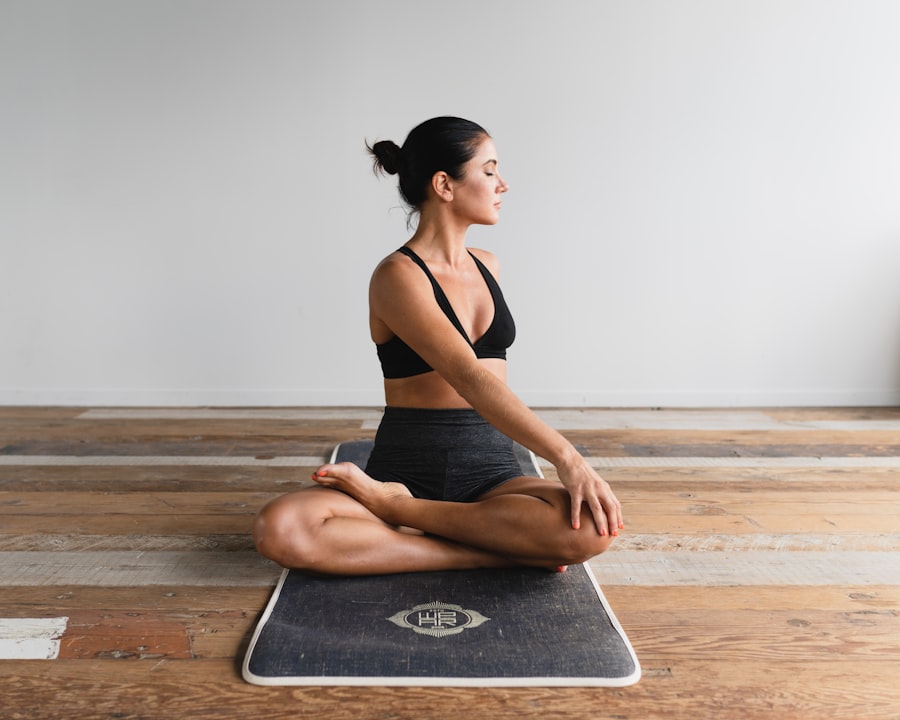
Meditation is an integral part of yoga practice that offers numerous benefits for managing stress and promoting relaxation. By incorporating meditation into your yoga practice, you can cultivate a greater sense of mindfulness and present-moment awareness, which can help to reduce feelings of anxiety and overwhelm. One effective meditation technique for stress relief is loving-kindness meditation, which involves sending well-wishes to yourself and others in order to cultivate feelings of compassion and connection.
Another beneficial meditation practice for stress reduction is body scan meditation, which involves systematically bringing awareness to each part of the body in order to release tension and promote relaxation. Additionally, mindfulness meditation, which involves focusing on the present moment without judgment, can help to train the mind to let go of stressful thoughts and instead focus on the here and now. By incorporating meditation into your yoga practice, you can experience a significant reduction in stress levels and an overall improvement in your mental and emotional well-being.
Creating a Regular Yoga Routine for Managing Stress
In order to effectively manage stress through yoga, it’s important to create a regular routine that incorporates various aspects of the practice. This can include setting aside time each day for physical postures, breathing exercises, meditation, or relaxation techniques. By establishing a consistent yoga routine, you can cultivate a greater sense of balance and well-being in your daily life.
One effective way to create a regular yoga routine for managing stress is to start with a gentle morning practice that includes sun salutations or other energizing postures to set a positive tone for the day ahead. Throughout the day, taking short breaks for breathing exercises or mindfulness meditation can help to reduce feelings of stress and promote a greater sense of calm. In the evening, incorporating restorative poses or guided relaxation techniques can help to release tension from the body and prepare you for a restful night’s sleep.
By creating a regular yoga routine that incorporates various aspects of the practice, you can effectively manage stress and promote a greater sense of well-being in your daily life. Whether it’s through physical postures, breathing exercises, meditation, or relaxation techniques, yoga offers a holistic approach to managing stress that can have profound effects on your overall health and happiness.
Looking for more ways to enhance your well-being? Check out this insightful article on herbal remedies for women’s health. It’s a great resource for natural solutions to support your overall wellness. And if you’re interested in incorporating antioxidant-rich beverages into your routine, this guide on how to make antioxidant-rich blueberry juice is a must-read. For those seeking balance and harmony in their lives, delve into the benefits of stress release yoga in this informative piece. These articles offer valuable insights to help you prioritize your health and wellness. Read more here.