


Eating a heart-healthy diet is essential for maintaining good cardiovascular health and reducing the risk of heart disease. A heart-healthy diet is one that is rich in nutrient-dense foods such as fruits, vegetables, whole grains, lean proteins, and healthy fats. These foods are packed with essential vitamins, minerals, and antioxidants that can help lower cholesterol, reduce inflammation, and support overall heart health. By focusing on nutrient-rich foods, you can nourish your body and protect your heart at the same time.
In addition to fruits and vegetables, whole grains are an important component of a heart-healthy diet. Whole grains such as brown rice, quinoa, oats, and whole wheat are rich in fiber, which can help lower cholesterol and improve heart health. Lean proteins such as poultry, fish, and legumes are also important for a heart-healthy diet. These proteins provide essential nutrients without the added saturated fat found in red meat. Finally, healthy fats such as those found in avocados, nuts, and olive oil can help reduce the risk of heart disease when consumed in moderation. By incorporating these nutrient-rich foods into your diet, you can support your heart health and overall well-being.
Key Takeaways
- Focus on nutrient-rich foods such as fruits, vegetables, whole grains, lean proteins, and healthy fats for a heart-healthy diet.
- Start your day with nutritious breakfast options like oatmeal, yogurt with berries, or whole grain toast with avocado to support heart health.
- Choose nourishing and satisfying lunch options such as salads with lean protein, whole grain wraps, or vegetable stir-fries for a heart-healthy diet.
- Prepare satisfying and heart-healthy dinner recipes for the whole family, such as grilled fish, roasted vegetables, or quinoa and black bean bowls.
- Opt for nourishing snack options like nuts, seeds, fruit, or Greek yogurt to support heart health and keep you satisfied between meals.
Breakfast Ideas for a Healthy Heart: Start Your Day Right with Nutritious Options
Breakfast is often referred to as the most important meal of the day, and for good reason. A nutritious breakfast can kickstart your metabolism, provide essential nutrients, and set the tone for healthy eating throughout the day. When it comes to heart-healthy breakfast options, there are plenty of delicious and nutritious choices to consider. For example, a bowl of oatmeal topped with fresh berries and a sprinkle of chia seeds is a great way to start your day. Oatmeal is rich in soluble fiber, which can help lower cholesterol levels, while berries are packed with antioxidants that support heart health.
Another heart-healthy breakfast option is a smoothie made with spinach, banana, and almond milk. Spinach is a nutrient-dense leafy green that is rich in vitamins and minerals, while bananas provide potassium, which is important for maintaining healthy blood pressure. Adding a handful of almonds to your smoothie can also provide a dose of healthy fats and protein to keep you feeling full and satisfied. If you prefer a savory breakfast, consider making a vegetable omelet with a side of whole grain toast. Eggs are a good source of protein and can be paired with a variety of vegetables such as spinach, tomatoes, and bell peppers for added nutrients. By starting your day with these nutritious options, you can support your heart health and set yourself up for a successful day of healthy eating.
Lunchtime Favorites: Tasty and Nourishing Meals for a Heart-Healthy Diet
Lunchtime is an opportunity to refuel your body with nourishing foods that support heart health. When it comes to choosing lunchtime favorites for a heart-healthy diet, there are plenty of delicious options to consider. For example, a colorful salad made with mixed greens, grilled chicken, avocado, and a variety of vegetables is a great choice. Leafy greens are rich in vitamins and minerals, while grilled chicken provides lean protein to keep you feeling satisfied. Avocado adds healthy fats and a creamy texture to the salad, making it both delicious and nutritious.
Another lunchtime favorite for a heart-healthy diet is a quinoa bowl with roasted vegetables and a drizzle of olive oil. Quinoa is a complete protein that is also rich in fiber, making it an excellent choice for supporting heart health. Roasted vegetables such as sweet potatoes, bell peppers, and zucchini add flavor and nutrients to the dish, while a drizzle of olive oil provides healthy fats that can help reduce the risk of heart disease. If you’re in the mood for something warm and comforting, consider making a homemade vegetable soup with whole grain bread on the side. Vegetable soups are packed with vitamins and minerals, and when paired with whole grain bread, they make for a satisfying and heart-healthy meal. By choosing these tasty and nourishing meals for lunchtime, you can support your heart health while enjoying delicious food.
Dinner Delights: Satisfying and Heart-Healthy Recipes for the Whole Family
| Recipe Name | Calories per Serving | Total Fat (g) | Cholesterol (mg) | Sodium (mg) |
|---|---|---|---|---|
| Grilled Salmon with Asparagus | 320 | 15 | 60 | 480 |
| Quinoa Stuffed Bell Peppers | 280 | 8 | 20 | 350 |
| Vegetarian Chili | 250 | 5 | 0 | 420 |
| Chicken and Vegetable Stir-Fry | 300 | 12 | 40 | 580 |
Dinnertime is an opportunity to come together as a family and enjoy a satisfying meal that supports heart health. When it comes to preparing dinner delights for the whole family, there are plenty of heart-healthy recipes to consider. For example, grilled salmon with steamed vegetables and quinoa is a delicious and nutritious option. Salmon is rich in omega-3 fatty acids, which can help reduce inflammation and support heart health. Steamed vegetables provide essential vitamins and minerals, while quinoa adds protein and fiber to the meal.
Another satisfying dinner option for the whole family is a turkey chili made with lean ground turkey, beans, tomatoes, and a variety of spices. Turkey is a lean protein that can be used as a healthier alternative to ground beef in traditional chili recipes. Beans are rich in fiber and protein, while tomatoes provide antioxidants that support heart health. Pairing the chili with a side of brown rice or whole grain bread can make for a hearty and nutritious meal that the whole family will love. If you’re in the mood for something lighter, consider making a grilled vegetable stir-fry with tofu or shrimp. Stir-fries are a great way to incorporate a variety of vegetables into your meal, and when paired with tofu or shrimp, they provide protein and essential nutrients. By preparing these satisfying and heart-healthy recipes for the whole family, you can enjoy delicious meals while supporting your heart health.
Snack Time Solutions: Nourishing and Delicious Options for Heart Health
Snacking can be an important part of maintaining energy levels throughout the day, but it’s important to choose nourishing options that support heart health. When it comes to snack time solutions for a healthy heart, there are plenty of delicious options to consider. For example, a handful of mixed nuts such as almonds, walnuts, and pistachios can provide healthy fats, protein, and fiber to keep you feeling satisfied between meals. Nuts are also rich in antioxidants and can help lower cholesterol levels when consumed as part of a balanced diet.
Another nourishing snack option for heart health is Greek yogurt topped with fresh fruit and a drizzle of honey. Greek yogurt is rich in protein and probiotics that support gut health, while fresh fruit provides essential vitamins and minerals. A drizzle of honey adds natural sweetness without the added sugars found in many store-bought yogurts. If you’re in the mood for something savory, consider snacking on hummus with raw vegetables such as carrots, cucumbers, and bell peppers. Hummus is made from chickpeas, which are rich in fiber and protein, while raw vegetables provide essential nutrients and crunch. By choosing these nourishing and delicious options for snack time, you can support your heart health while enjoying tasty treats throughout the day.
Desserts for a Healthy Heart: Indulge in Sweet Treats without Compromising on Nutrition
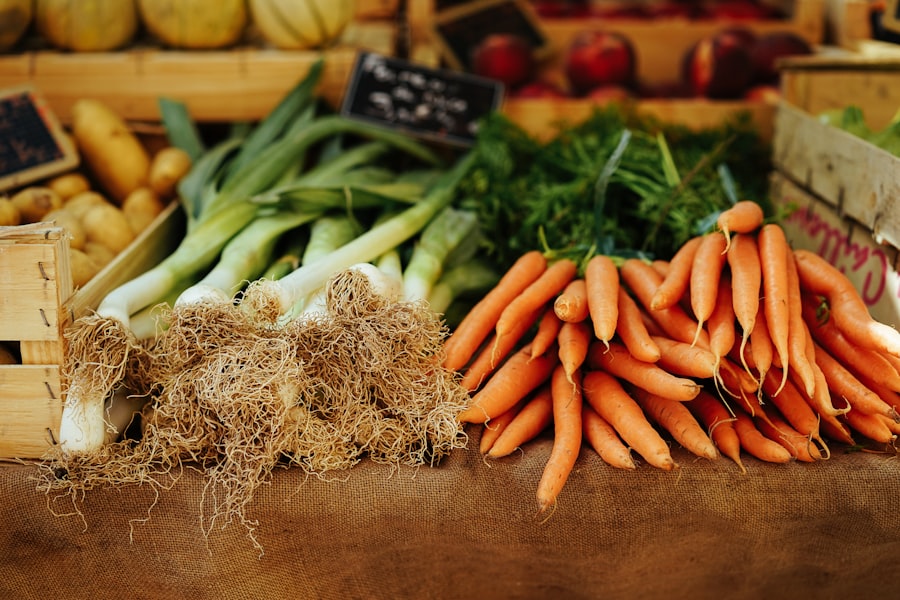
Indulging in sweet treats doesn’t have to mean compromising on nutrition when it comes to supporting heart health. There are plenty of delicious dessert options that can satisfy your sweet tooth while providing essential nutrients. For example, a fruit salad made with a variety of fresh fruits such as berries, melon, and citrus fruits is a great way to indulge in something sweet without added sugars or unhealthy fats. Fresh fruits are packed with vitamins, minerals, and antioxidants that support heart health while providing natural sweetness.
Another indulgent dessert option for a healthy heart is dark chocolate dipped strawberries. Dark chocolate is rich in antioxidants called flavonoids that can help lower blood pressure and improve blood flow to the heart. Strawberries are also packed with vitamins and fiber that support overall heart health. By dipping strawberries in dark chocolate, you can enjoy a decadent treat that also provides essential nutrients. If you’re in the mood for something creamy and satisfying, consider making a Greek yogurt parfait with layers of yogurt, granola, and fresh fruit. Greek yogurt provides protein and probiotics that support gut health, while granola adds crunch and fiber to the dessert. By indulging in these sweet treats without compromising on nutrition, you can satisfy your cravings while supporting your heart health.
Heart-Healthy Cooking Tips: How to Prepare Nutritious and Flavorful Meals at Home
When it comes to preparing nutritious and flavorful meals at home that support heart health, there are plenty of cooking tips to keep in mind. For example, using herbs and spices instead of salt to flavor your meals can help reduce sodium intake while adding depth of flavor to your dishes. Herbs such as basil, oregano, thyme, and rosemary can add aromatic notes to your cooking without the need for excess salt. Spices such as cumin, paprika, turmeric, and cinnamon can also add warmth and complexity to your meals without adding extra sodium.
Another cooking tip for supporting heart health is to choose cooking methods that require minimal added fats or oils. For example, grilling, steaming, roasting, and sautéing are all cooking methods that can bring out the natural flavors of foods without the need for excessive amounts of added fats. When using oils in cooking, opt for heart-healthy options such as olive oil or avocado oil that are rich in monounsaturated fats. These oils can add flavor to your dishes while providing essential nutrients that support heart health.
In conclusion, understanding how to eat for heart health involves choosing nutrient-rich foods such as fruits, vegetables, whole grains, lean proteins, and healthy fats. By incorporating these foods into your meals throughout the day – from breakfast to dinner – you can support your cardiovascular health while enjoying delicious and satisfying meals. Additionally, choosing nourishing snack options and indulging in sweet treats without compromising on nutrition can help you maintain a balanced approach to eating for heart health. Finally, by following heart-healthy cooking tips at home such as using herbs and spices for flavoring and choosing cooking methods that require minimal added fats or oils – you can prepare nutritious and flavorful meals that support your overall well-being.
In conclusion, understanding how to eat for heart health involves choosing nutrient-rich foods such as fruits, vegetables, whole grains, lean proteins, and healthy fats. By incorporating these foods into your meals throughout the day – from breakfast to dinner – you can support your cardiovascular health while enjoying delicious and satisfying meals. Additionally, choosing nourishing snack options and indulging in sweet treats without compromising on nutrition can help you maintain a balanced approach to eating for heart health. Finally, by following heart-healthy cooking tips at home such as using herbs and spices for flavoring and choosing cooking methods that require minimal added fats or oils – you can prepare nutritious and flavorful meals that support your overall well-being. It’s important to remember that making these dietary changes can have a positive impact on your heart health and overall well-being in the long run.
Looking for more ways to improve your heart health? Check out this insightful article on the role of nutrition in exercise benefits. It provides valuable information on how the right nutrition can enhance the benefits of your workout routine, ultimately contributing to a healthier heart. Learn more here.