


Brazilian Jiu Jitsu (BJJ) is a martial art and combat sport that focuses on ground fighting and submission holds. It originated in Brazil in the early 20th century and has since gained popularity worldwide. BJJ was developed from traditional Japanese Jiu Jitsu, but it has its own unique techniques and strategies.
The sport gained international recognition when members of the Gracie family, who were skilled practitioners of BJJ, began to showcase their skills in mixed martial arts competitions. They demonstrated that BJJ techniques could be highly effective in real-life self-defense situations.
Today, BJJ is practiced by people of all ages and skill levels. It is known for its emphasis on technique and leverage, allowing smaller individuals to overcome larger opponents. BJJ has become a popular choice for self-defense training, as well as a competitive sport with tournaments held around the world.
Benefits of Brazilian Jiu Jitsu Training
Training in Brazilian Jiu Jitsu offers numerous benefits, both physical and mental.
Physically, BJJ provides a full-body workout that improves flexibility, strength, and endurance. The constant movement and grappling involved in BJJ help to increase flexibility by stretching the muscles and joints. The techniques also require strength, particularly in the core, arms, and legs. Regular training in BJJ can lead to increased muscle tone and overall strength.
In addition to the physical benefits, BJJ also offers mental benefits. The sport requires focus and concentration, which can improve mental clarity and cognitive function. BJJ also promotes discipline and self-control, as practitioners must adhere to rules and regulations during training and competition. As individuals progress in their training, they often experience increased confidence and self-esteem.
Another significant benefit of training in BJJ is the social aspect. BJJ classes often foster a sense of community and camaraderie among practitioners. Training partners work together to improve their skills and support each other’s progress. Many people find that BJJ provides an opportunity to make new friends and build lasting relationships.
Importance of Physical Fitness in Brazilian Jiu Jitsu
Physical fitness is crucial for success in Brazilian Jiu Jitsu. The sport requires a combination of cardiovascular endurance, strength, and flexibility.
Cardiovascular endurance is essential because BJJ matches can be physically demanding and last for several minutes. Practitioners need to have the stamina to maintain a high level of intensity throughout the match. Regular cardiovascular exercise, such as running or cycling, can help improve endurance.
Strength is also important in BJJ, as it allows practitioners to execute techniques with power and control. Core strength is particularly crucial for maintaining balance and stability during grappling exchanges. Strength training exercises, such as weightlifting or bodyweight exercises, can help develop the necessary strength for BJJ.
Flexibility is another key component of physical fitness in BJJ. Being flexible allows practitioners to move more freely and execute techniques with greater ease. Regular stretching and mobility exercises can help improve flexibility over time.
To incorporate fitness training into BJJ practice, many practitioners engage in specific conditioning drills during their training sessions. These drills may include high-intensity interval training (HIIT), circuit training, or sport-specific exercises that mimic the movements and demands of BJJ.
Essential Brazilian Jiu Jitsu Techniques to Master
| Technique | Description | Difficulty Level |
|---|---|---|
| Guard Pass | A technique used to pass the opponent’s guard and gain a dominant position | Intermediate |
| Mount Escape | A technique used to escape from the mount position and regain guard | Beginner |
| Triangle Choke | A submission technique where the legs are used to choke the opponent | Advanced |
| Armbar | A submission technique where the arm is hyperextended to force a tap | Intermediate |
| Sweep | A technique used to reverse the opponent’s position and gain a dominant position | Beginner |
There are several essential techniques in Brazilian Jiu Jitsu that practitioners must master to be successful in the sport.
One of the fundamental positions in BJJ is the guard. The guard is a defensive position where a practitioner uses their legs to control an opponent who is on top of them. There are various types of guards, such as closed guard, open guard, and half guard. Each guard has its own set of techniques and strategies.
Another important position in BJJ is the mount. The mount occurs when a practitioner is on top of their opponent, straddling their chest. From this position, the practitioner has control over their opponent and can apply various submissions or strikes.
Submissions are a crucial aspect of BJJ. Submissions involve applying joint locks or chokes to force an opponent to submit or “tap out.” Some common submissions include armbars, triangles, and rear-naked chokes. Practitioners must learn the proper technique and timing to execute submissions effectively.
To improve technique in BJJ, it is essential to practice regularly and seek guidance from experienced instructors. Drilling specific techniques and participating in live sparring sessions with training partners can help refine skills and develop muscle memory.
The Role of Strength Training in Brazilian Jiu Jitsu
Strength training plays a significant role in improving performance in Brazilian Jiu Jitsu. While technique and leverage are essential in BJJ, having a strong foundation can give practitioners an advantage.
Strength training helps develop the muscles necessary for executing techniques with power and control. It also improves overall body strength, which can enhance balance and stability during grappling exchanges.
When designing a strength training program for BJJ, it is important to target specific muscle groups that are used frequently in the sport. The core muscles, including the abdominals, obliques, and lower back, are particularly important for maintaining balance and generating power. Exercises such as planks, Russian twists, and deadlifts can help strengthen the core.
The upper body muscles, including the chest, shoulders, and arms, are also crucial for executing techniques such as submissions and sweeps. Push-ups, pull-ups, and shoulder presses are examples of exercises that can target these muscle groups.
Lower body strength is essential for generating power in movements such as takedowns and guard passing. Squats, lunges, and deadlifts can help develop lower body strength.
It is important to note that strength training should be incorporated into a well-rounded training program that includes technique drills, sparring, and conditioning exercises. Balancing strength training with other aspects of BJJ training is key to achieving optimal performance.
Conditioning Exercises for Brazilian Jiu Jitsu Athletes
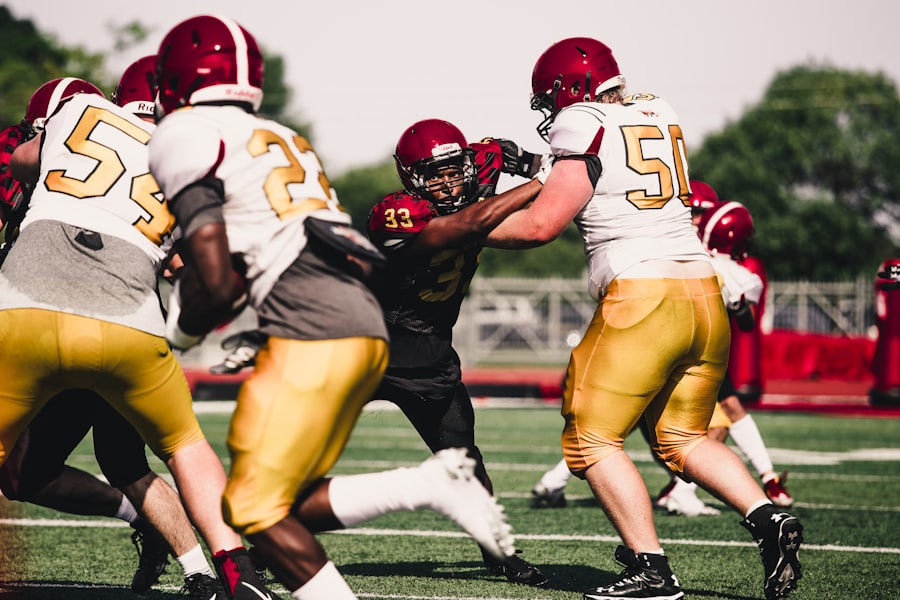
Conditioning exercises are crucial for improving performance in Brazilian Jiu Jitsu. The sport requires a combination of aerobic and anaerobic fitness, as well as muscular endurance.
Aerobic conditioning is important for maintaining stamina throughout a match. Running, cycling, or swimming are excellent forms of aerobic exercise that can improve cardiovascular endurance.
Anaerobic conditioning is necessary for the explosive bursts of energy required during intense grappling exchanges. High-intensity interval training (HIIT) is an effective way to improve anaerobic fitness. HIIT involves short bursts of intense exercise followed by periods of rest or lower intensity exercise.
Muscular endurance is also important in BJJ, as matches can be physically demanding and last for several minutes. Circuit training, which involves performing a series of exercises with minimal rest in between, can help improve muscular endurance.
Incorporating conditioning exercises into BJJ training sessions can be done through specific drills or dedicated conditioning sessions. For example, practitioners may engage in timed rounds of grappling or perform a circuit of bodyweight exercises such as burpees, mountain climbers, and squat jumps.
Nutrition and Recovery Strategies for Brazilian Jiu Jitsu Practitioners
Proper nutrition and recovery strategies are essential for maximizing performance in Brazilian Jiu Jitsu. Fueling the body with the right nutrients and allowing for adequate rest and recovery can help prevent injuries and optimize training.
Nutrition plays a crucial role in providing the energy needed for BJJ training and competition. A well-balanced diet that includes lean proteins, complex carbohydrates, healthy fats, and plenty of fruits and vegetables is recommended. It is also important to stay hydrated by drinking enough water throughout the day.
Timing meals and snacks around training sessions is important to ensure optimal energy levels. Consuming a meal or snack that includes carbohydrates and protein within 1-2 hours before training can provide the necessary fuel. After training, it is important to replenish glycogen stores by consuming a meal or snack that includes carbohydrates and protein.
Recovery strategies such as stretching, foam rolling, and massage can help reduce muscle soreness and improve flexibility. Getting enough sleep is also crucial for recovery and overall performance. Aim for 7-9 hours of quality sleep each night.
Mental Preparation for Brazilian Jiu Jitsu Competitions
Mental preparation is essential for success in Brazilian Jiu Jitsu competitions. The sport requires focus, mental toughness, and the ability to perform under pressure.
Visualization is a powerful tool that can help athletes mentally prepare for competitions. By visualizing themselves executing techniques successfully and achieving their goals, practitioners can build confidence and reduce anxiety.
Managing nerves and anxiety is another important aspect of mental preparation. Techniques such as deep breathing, positive self-talk, and mindfulness can help calm the mind and body before a competition. Practicing relaxation techniques regularly can help develop mental resilience.
Setting realistic goals and tracking progress is also crucial for mental preparation. By setting specific goals for each training session or competition, practitioners can stay motivated and focused on their progress.
Tips for Maximizing Brazilian Jiu Jitsu Performance
To maximize performance in Brazilian Jiu Jitsu, consistency and dedication to training are key. Regular practice and a commitment to improving technique and physical fitness are essential.
Setting specific goals can help provide direction and motivation in training. Whether it’s mastering a particular technique or competing in a tournament, having clear goals can help guide training sessions.
Tracking progress is also important to measure improvement over time. Keeping a training journal or using technology such as fitness trackers can help monitor performance and identify areas for improvement.
Finding a supportive training environment and surrounding oneself with like-minded individuals can also contribute to success in BJJ. Training with others who are dedicated and passionate about the sport can provide motivation and accountability.
Achieving Mastery in Brazilian Jiu Jitsu with a Comprehensive Training Program
In conclusion, Brazilian Jiu Jitsu offers numerous benefits for practitioners of all ages and skill levels. The sport provides physical, mental, and social benefits, making it a popular choice for self-defense training and competitive sport.
To excel in Brazilian Jiu Jitsu, a comprehensive training program is essential. This includes regular practice of essential techniques, incorporating strength training and conditioning exercises, proper nutrition and recovery strategies, mental preparation for competitions, and setting goals to track progress.
By following a well-rounded training program and staying dedicated to improvement, practitioners can achieve mastery in Brazilian Jiu Jitsu and continue to reap the benefits of the sport for years to come.
Looking to enhance your Brazilian Jiu Jitsu workout? Check out this informative article on the benefits of outdoor exercise. Discover how taking your training sessions outside can not only improve your physical fitness but also provide a refreshing change of scenery. From increased vitamin D absorption to the mental health benefits of being in nature, this article highlights why incorporating outdoor workouts into your Brazilian Jiu Jitsu routine can take your training to the next level. To learn more, click here.