

Brazilian Jiu Jitsu (BJJ) is a martial art and combat sport that originated in Brazil in the early 20th century. It was developed from Japanese Jiu Jitsu and focuses on ground fighting and grappling techniques. BJJ is known for its emphasis on leverage and technique, allowing smaller individuals to overcome larger opponents.
BJJ workouts typically involve a combination of drills, sparring, and conditioning exercises. These workouts are designed to improve strength, endurance, flexibility, and cardiovascular health. BJJ practitioners often train in a gi (a traditional uniform) and learn various techniques such as takedowns, submissions, and escapes.
Benefits of Brazilian Jiu Jitsu for Fitness
1. Increased strength and endurance: BJJ workouts require the use of multiple muscle groups, resulting in increased strength and endurance. The constant grappling and resistance training involved in BJJ helps to build functional strength that can be applied in real-life situations.
2. Improved flexibility and mobility: BJJ requires a high level of flexibility and mobility to perform techniques effectively. Regular BJJ training can help improve range of motion in joints, increase flexibility in muscles, and enhance overall mobility.
3. Enhanced cardiovascular health: BJJ workouts are intense and physically demanding, which can lead to improved cardiovascular health. The constant movement, sparring, and drills involved in BJJ help to elevate heart rate and increase aerobic capacity.
4. Reduced stress and anxiety: Like any form of exercise, BJJ can help reduce stress and anxiety levels. The physical activity releases endorphins, which are natural mood boosters. Additionally, the focus required during training can help distract from daily worries and promote mental relaxation.
How Brazilian Jiu Jitsu Can Help You Lose Weight
1. Explanation of how Brazilian Jiu Jitsu workouts burn calories: BJJ workouts are highly intense and physically demanding, which makes them effective for burning calories and losing weight. The constant movement, grappling, and resistance training involved in BJJ can help to increase heart rate and elevate metabolism, resulting in calorie burn.
2. Examples of weight loss success stories from Brazilian Jiu Jitsu practitioners: There are numerous success stories of individuals who have lost weight through regular BJJ training. These individuals often combine their training with a healthy diet to maximize weight loss results. BJJ provides a fun and engaging way to lose weight while also learning self-defense skills.
Brazilian Jiu Jitsu Techniques for Building Muscle
| Technique | Muscle Group Targeted | Benefits |
|---|---|---|
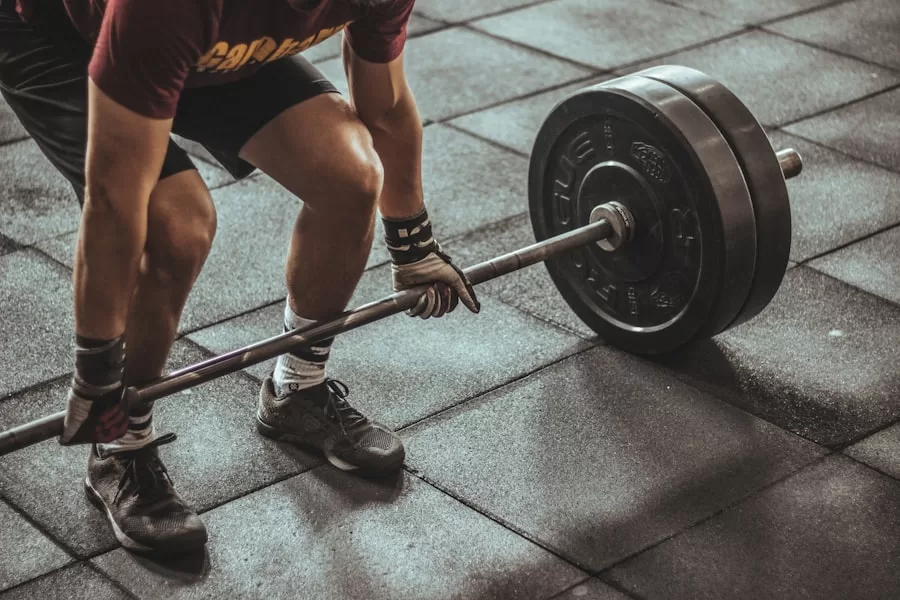
| Deadlift | Glutes, Hamstrings, Lower Back | Increases overall strength and power |
| Squats | Quadriceps, Glutes, Hamstrings | Improves lower body strength and explosiveness |
| Bench Press | Chest, Triceps, Shoulders | Builds upper body strength and power |
| Pull-ups | Back, Biceps | Strengthens the back and improves grip strength |
| Push-ups | Chest, Triceps, Shoulders | Builds upper body strength and endurance |
| Rows | Back, Biceps | Strengthens the back and improves posture |
| Planks | Core | Improves core strength and stability |
1. Explanation of how Brazilian Jiu Jitsu workouts can build muscle: BJJ workouts involve a combination of strength training, resistance training, and bodyweight exercises, which can help build muscle. The constant grappling and resistance against opponents require the use of various muscle groups, resulting in muscle development and toning.
2. Examples of muscle-building techniques used in Brazilian Jiu Jitsu: BJJ techniques such as takedowns, sweeps, and submissions require the use of core muscles, upper body muscles, and lower body muscles. These techniques involve pushing, pulling, and lifting movements that can help build strength and muscle mass.
Improving Cardiovascular Health with Brazilian Jiu Jitsu
1. Explanation of how Brazilian Jiu Jitsu workouts can improve cardiovascular health: BJJ workouts are highly intense and physically demanding, which can lead to improved cardiovascular health. The constant movement, sparring, and drills involved in BJJ help to elevate heart rate and increase aerobic capacity.
2. Examples of cardiovascular exercises used in Brazilian Jiu Jitsu: BJJ training often involves drills such as shrimping, hip escapes, and technical stand-ups that require continuous movement and cardiovascular endurance. Sparring sessions also provide an opportunity to elevate heart rate and improve cardiovascular health.
Brazilian Jiu Jitsu Workouts for Flexibility and Mobility

1. Explanation of how Brazilian Jiu Jitsu workouts can improve flexibility and mobility: BJJ requires a high level of flexibility and mobility to perform techniques effectively. Regular BJJ training can help improve range of motion in joints, increase flexibility in muscles, and enhance overall mobility.
2. Examples of flexibility and mobility exercises used in Brazilian Jiu Jitsu: BJJ training often includes warm-up exercises such as hip stretches, shoulder stretches, and leg swings to improve flexibility and mobility. Techniques such as guard passing and submissions also require a good range of motion in joints.
Enhancing Mental Health with Brazilian Jiu Jitsu
1. Explanation of how Brazilian Jiu Jitsu workouts can improve mental health: BJJ workouts provide a unique combination of physical activity, mental focus, and social interaction, which can have positive effects on mental health. The physical activity releases endorphins, which are natural mood boosters. The mental focus required during training can help distract from daily worries and promote mental relaxation. The social interaction with training partners and the sense of belonging to a community can also contribute to improved mental well-being.
2. Examples of mental health benefits experienced by Brazilian Jiu Jitsu practitioners: Many BJJ practitioners report improved self-confidence, reduced stress levels, increased resilience, and improved problem-solving skills as a result of their training. The discipline and mental fortitude required in BJJ can translate into other areas of life, leading to overall improved mental health.
Brazilian Jiu Jitsu as a Self-Defense and Fighting Sport
1. Explanation of how Brazilian Jiu Jitsu can be used for self-defense: BJJ is known for its effectiveness in real-life self-defense situations. The focus on ground fighting and grappling techniques allows smaller individuals to overcome larger opponents by using leverage and technique rather than relying on brute strength.
2. Examples of Brazilian Jiu Jitsu techniques used in fighting sports: BJJ techniques such as takedowns, sweeps, and submissions are commonly used in mixed martial arts (MMA) competitions. BJJ practitioners often excel in MMA due to their ability to control opponents on the ground and apply effective submissions.
How to Get Started with Brazilian Jiu Jitsu Workouts
1. Explanation of how to find a Brazilian Jiu Jitsu gym: To get started with BJJ workouts, it is important to find a reputable BJJ gym or academy. Research local gyms, read reviews, and visit the facilities to get a sense of the training environment and instructors’ qualifications.
2. Tips for choosing the right Brazilian Jiu Jitsu gym: Consider factors such as location, class schedule, instructor experience, and the gym’s culture when choosing a BJJ gym. It is also helpful to talk to current students or attend a trial class to get a feel for the training atmosphere.
Tips for Staying Motivated with Brazilian Jiu Jitsu Training
1. Tips for staying motivated during Brazilian Jiu Jitsu workouts: Set specific goals, track progress, and celebrate achievements along the way. Find a training partner or join a supportive community to stay motivated and accountable. Mix up training routines and set new challenges to keep things interesting.
2. Examples of how to set goals and track progress in Brazilian Jiu Jitsu training: Set short-term and long-term goals such as earning new belt ranks or competing in tournaments. Keep a training journal to track techniques learned, sparring sessions, and personal achievements. Celebrate milestones and reward yourself for reaching goals.
In conclusion, Brazilian Jiu Jitsu workouts offer numerous benefits for fitness, weight loss, muscle building, cardiovascular health, flexibility, mobility, mental health, self-defense, and fighting sports. Whether you are looking to improve your physical fitness or learn self-defense skills, BJJ provides a challenging and rewarding training experience. By finding the right gym, setting goals, and staying motivated, you can embark on a journey of self-improvement and personal growth through Brazilian Jiu Jitsu.
If you’re looking to enhance your Brazilian Jiu Jitsu workout routine, you may also be interested in exploring the benefits of omega-3 fatty acids for optimal brain health. A recent article on Aerns.com discusses how incorporating omega-3 fatty acids into your diet can support cognitive function and overall brain health. To learn more about this topic, check out the article here.