


Maintaining a healthy lifestyle is essential for overall health and wellness. A combination of a balanced diet and regular exercise can help you achieve your fitness goals and improve your physical and mental well-being. One popular concept for achieving a healthier body is “trim and tone.” This approach focuses on both weight loss and muscle toning to create a leaner and more defined physique. In this article, we will explore the importance of a balanced diet, the benefits of regular exercise, how to choose the right workout routine, tips for staying motivated, the role of sleep and stress management, the importance of hydration and proper nutrition, strategies for incorporating strength training and cardiovascular exercise, managing cravings, and celebrating progress.
Understanding the Importance of a Balanced Diet for Weight Loss and Muscle Toning
A balanced diet plays a crucial role in achieving weight loss and muscle toning goals. It provides the necessary nutrients for your body to function optimally while also supporting your fitness efforts. Macronutrients such as carbohydrates, proteins, and fats are essential components of a balanced diet.
Carbohydrates are the body’s primary source of energy. They provide fuel for physical activity and help maintain proper brain function. However, not all carbohydrates are created equal. It is important to choose complex carbohydrates such as whole grains, fruits, and vegetables over simple carbohydrates like refined sugars.
Proteins are essential for muscle growth and repair. They also help keep you feeling full for longer periods, which can aid in weight loss efforts. Good sources of protein include lean meats, fish, eggs, dairy products, legumes, and nuts.
Fats are often misunderstood but are necessary for overall health. Healthy fats such as monounsaturated fats found in avocados and olive oil, as well as polyunsaturated fats found in fatty fish like salmon and nuts, can help reduce inflammation and support heart health. It is important to limit saturated and trans fats found in processed foods and fried foods.
In addition to understanding the role of macronutrients, portion control and calorie tracking are crucial for weight loss and muscle toning. Consuming more calories than your body needs can lead to weight gain, while consuming fewer calories can lead to weight loss. Tracking your calorie intake can help you stay on track with your goals and make adjustments as needed.
The Benefits of Regular Exercise for a Healthier Body and Mind
Regular exercise offers numerous benefits for both the body and mind. Physical activity not only helps with weight loss and muscle toning but also improves cardiovascular health, increases energy levels, reduces stress and anxiety, improves sleep quality, and boosts mood.
Cardiovascular exercise, also known as aerobic exercise, is any activity that increases your heart rate and breathing rate. It helps strengthen the heart and lungs, improves circulation, and burns calories. Examples of cardiovascular exercises include running, swimming, cycling, dancing, and brisk walking.
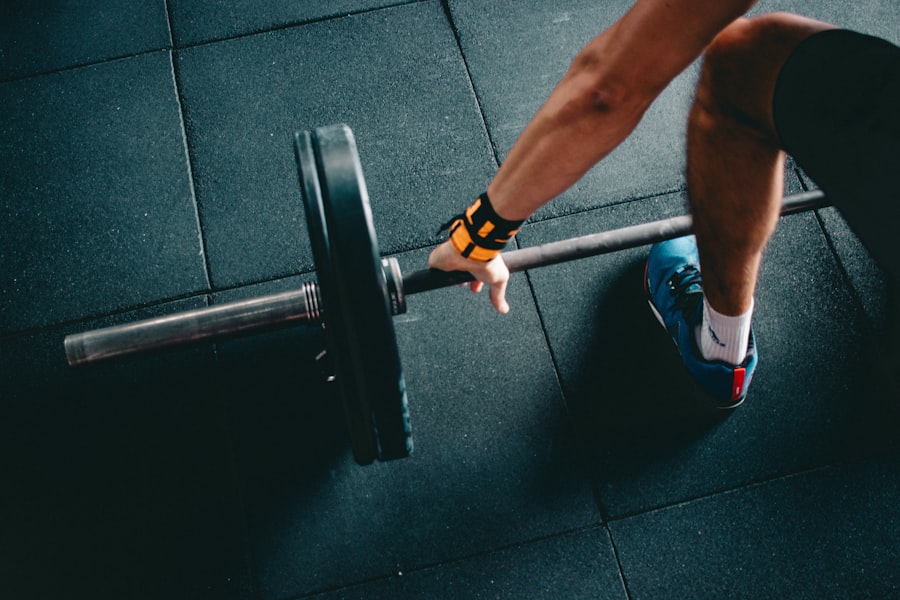
Strength training, also known as resistance training or weightlifting, involves using resistance to build strength, endurance, and muscle mass. It helps increase metabolism, improve bone density, enhance posture, and prevent age-related muscle loss. Strength training exercises include lifting weights, using resistance bands, doing bodyweight exercises like push-ups and squats, and using weight machines.
Flexibility exercises such as yoga or stretching can improve joint mobility, reduce muscle stiffness, and enhance overall flexibility. These exercises can also help prevent injuries during other forms of physical activity.
How to Choose the Right Workout Routine for Your Fitness Goals
| Factors to Consider | Importance |
|---|---|
| Current Fitness Level | High |
| Fitness Goals | High |
| Time Availability | Medium |
| Equipment Availability | Medium |
| Personal Preferences | Low |
Choosing the right workout routine is essential for achieving your fitness goals. It is important to set specific goals that are realistic and achievable. Whether your goal is weight loss, muscle toning, or overall fitness improvement, tailoring your workout routine accordingly will maximize your results.
High-Intensity Interval Training (HIIT) is a popular workout routine that involves short bursts of intense exercise followed by periods of rest or low-intensity exercise. HIIT workouts are time-efficient and effective for burning calories, improving cardiovascular fitness, and increasing metabolism.
Weightlifting is an excellent choice for those looking to build muscle and increase strength. It involves lifting weights or using resistance to target specific muscle groups. Weightlifting can be done using free weights, weight machines, or resistance bands.
Yoga is a versatile workout routine that combines physical postures, breathing exercises, and meditation. It improves flexibility, strength, balance, and mental well-being. There are various styles of yoga to choose from, including Hatha, Vinyasa, and Ashtanga.
It is important to choose a workout routine that you enjoy and that fits into your lifestyle. This will increase your chances of sticking to it in the long term. Experiment with different types of exercise until you find what works best for you.
Tips for Staying Motivated and Committed to Your Fitness Plan
Staying motivated and committed to your fitness plan can be challenging at times. Life can get busy, and it’s easy to make excuses or lose motivation. However, there are strategies you can implement to overcome these barriers and stay on track with your goals.
Setting realistic goals is crucial for staying motivated. Break down your larger fitness goals into smaller, achievable milestones. Celebrate each milestone as you reach it, as this will provide a sense of accomplishment and keep you motivated.
Finding a workout buddy or joining a fitness community can also help keep you accountable and motivated. Exercising with others can make workouts more enjoyable and provide a support system for when motivation wanes.
Creating a schedule and prioritizing your workouts is another effective strategy. Treat your workouts as non-negotiable appointments with yourself. By making exercise a priority in your daily routine, you are more likely to stick to it.
Mixing up your workouts and trying new activities can also help prevent boredom and keep you motivated. Incorporate variety into your routine by trying different types of exercise, exploring new classes or workout videos, or changing up your workout environment.
Lastly, tracking your progress can be a powerful motivator. Keep a record of your workouts, measurements, and achievements. Seeing how far you’ve come can inspire you to keep going and push harder.
The Role of Sleep and Stress Management in Achieving a Healthier Lifestyle
Sleep and stress management play vital roles in achieving a healthier lifestyle. Lack of sleep and chronic stress can have detrimental effects on both physical and mental health. Incorporating strategies to improve sleep quality and reduce stress levels is essential for overall well-being.
Sleep is essential for the body to repair and rejuvenate itself. It plays a crucial role in regulating hormones, supporting immune function, and promoting cognitive function. Aim for 7-9 hours of quality sleep each night by establishing a consistent sleep schedule, creating a relaxing bedtime routine, and optimizing your sleep environment.
Stress management is equally important for overall health. Chronic stress can lead to various health problems, including high blood pressure, weakened immune system, digestive issues, and mental health disorders. Implementing stress management techniques such as meditation, deep breathing exercises, yoga, or engaging in hobbies can help reduce stress levels.
Finding time for self-care activities is also crucial for managing stress. Engage in activities that bring you joy and help you relax, such as reading, taking baths, spending time in nature, or practicing mindfulness. Prioritizing self-care will not only reduce stress but also improve overall well-being.
The Importance of Hydration and Proper Nutrition for Optimal Fitness Performance
Hydration and proper nutrition are essential for maximizing fitness performance. Staying hydrated ensures that your body functions optimally during exercise and aids in recovery. Proper nutrition provides the necessary fuel and nutrients for your workouts and helps support muscle growth and repair.
Hydration is crucial for maintaining fluid balance, regulating body temperature, and supporting cardiovascular function. Aim to drink at least 8 cups (64 ounces) of water per day, or more if you are engaging in intense physical activity or live in a hot climate. Listen to your body’s thirst cues and drink water throughout the day.
Proper nutrition before and after workouts is important for optimal performance and recovery. Before a workout, consume a balanced meal or snack that includes carbohydrates for energy and protein for muscle repair. Examples include a banana with peanut butter, Greek yogurt with berries, or a turkey sandwich on whole grain bread.
After a workout, focus on replenishing your body with protein and carbohydrates to aid in muscle recovery and glycogen replenishment. Good post-workout options include a protein shake with fruit, a chicken breast with sweet potatoes, or a bowl of oatmeal with nuts and berries.
How to Incorporate Strength Training and Cardiovascular Exercise for Maximum Results
Incorporating both strength training and cardiovascular exercise into your workout routine can yield maximum results. These two types of exercise complement each other and provide numerous benefits for overall fitness.
Strength training helps build lean muscle mass, increase metabolism, improve bone density, and enhance overall strength and endurance. It is important to include exercises that target all major muscle groups, such as squats, deadlifts, bench presses, rows, and shoulder presses. Aim to strength train at least two to three times per week.
Cardiovascular exercise helps improve cardiovascular health, burn calories, increase endurance, and boost mood. It is recommended to engage in moderate-intensity cardiovascular exercise for at least 150 minutes per week or vigorous-intensity exercise for at least 75 minutes per week. Examples include brisk walking, jogging, cycling, swimming, or dancing.
To incorporate both types of exercise into your routine, consider alternating days or doing a combination of strength training and cardiovascular exercise in the same workout. For example, you can start with a 10-minute warm-up on the treadmill, followed by a strength training circuit, and finish with 10 minutes of high-intensity interval training (HIIT) on the stationary bike.
Strategies for Managing Cravings and Maintaining a Healthy Eating Plan
Managing cravings and maintaining a healthy eating plan can be challenging, especially when faced with temptations or social pressure. However, there are strategies you can implement to stay on track with your goals.
One effective strategy is to plan your meals and snacks in advance. Meal planning helps you make healthier choices and prevents impulsive decisions based on cravings. Prepare your meals and snacks ahead of time, and have healthy options readily available to avoid reaching for unhealthy alternatives.
Finding healthy alternatives to your favorite foods can also help manage cravings. For example, if you have a sweet tooth, opt for fresh fruit or Greek yogurt with honey instead of sugary desserts. If you crave salty snacks, choose air-popped popcorn or roasted chickpeas instead of potato chips.
Practicing mindful eating is another strategy for managing cravings. Pay attention to your hunger and fullness cues, eat slowly, and savor each bite. This will help you become more aware of your body’s needs and prevent overeating.
It is also important to address emotional eating. Many people turn to food for comfort or as a coping mechanism for stress or other emotions. Find alternative ways to deal with emotions, such as engaging in physical activity, talking to a friend or therapist, practicing relaxation techniques, or engaging in hobbies that bring you joy.
Lastly, it is important to remember that it’s okay to indulge occasionally. Allowing yourself to enjoy your favorite foods in moderation can help prevent feelings of deprivation and promote a healthy relationship with food.
Celebrating Your Progress and Staying Committed to a Healthy Lifestyle
Celebrating your progress and staying committed to a healthy lifestyle are essential for long-term success. It is important to acknowledge and celebrate your achievements, no matter how small they may seem.
Tracking your progress is a powerful motivator. Keep a record of your workouts, measurements, and achievements. This will allow you to see how far you’ve come and provide the motivation to keep going.
Rewarding yourself for achieving goals is another effective strategy. Set milestones and reward yourself with non-food rewards such as a massage, a new workout outfit, or a day off from exercise. Celebrate your progress and acknowledge the hard work you’ve put in.
Staying committed to a healthy lifestyle requires consistency and perseverance. Surround yourself with a supportive community or find an accountability partner who shares similar goals. Having someone to share your journey with can provide encouragement and help you stay on track.
Lastly, it is important to remember that a healthy lifestyle is a lifelong journey. Embrace the process and focus on making sustainable changes rather than quick fixes. Celebrate each small victory along the way and stay committed to your long-term health and well-being.
Looking for some diet and fitness tips to boost your vitality? Check out this informative article on the benefits of yoga and breathwork. Discover how these practices can unleash your energy and improve your overall well-being. If you’re interested in learning more about the role of nutrition in exercise benefits, this article is a must-read. It explores the importance of proper nutrition in maximizing the results of your workouts. And if you’re looking for natural remedies for everyday illnesses, this article has got you covered. Explore effective and safe alternatives to traditional medicine. Don’t miss out on these valuable resources!