
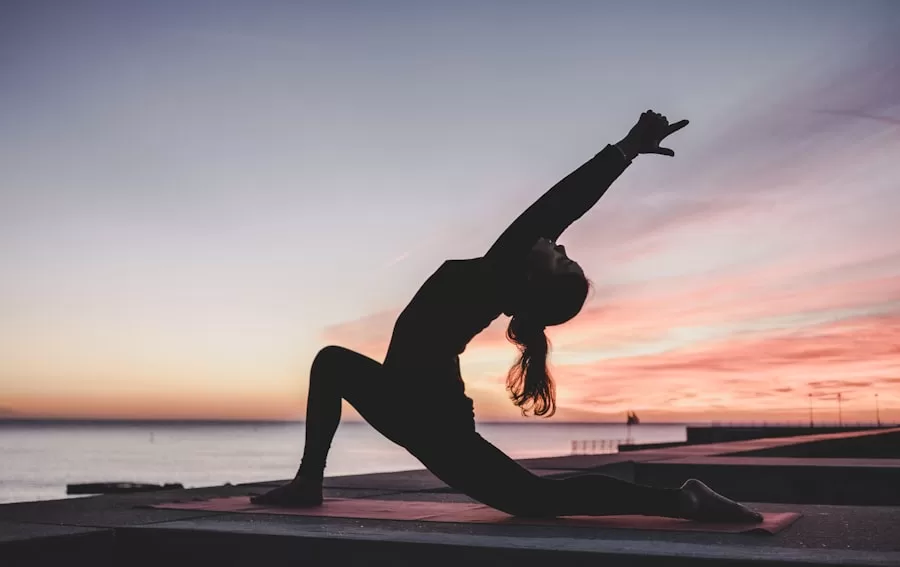

Balance and flexibility are two crucial components of overall fitness that are often overlooked. While many people focus on strength training and cardiovascular exercise, incorporating balance and flexibility exercises into a fitness routine can provide numerous benefits. Balance is essential for stability and coordination, while flexibility improves range of motion and helps prevent injuries. By incorporating exercises that target balance and flexibility, individuals can enhance their overall fitness level and improve their performance in other areas of exercise.
Balance is an important aspect of fitness that is often taken for granted. It is the ability to maintain control of the body’s position, either while stationary or in motion. Good balance is necessary for everyday activities such as walking, climbing stairs, and even standing upright. By incorporating balance exercises into a fitness routine, individuals can improve their stability and reduce the risk of falls or injuries.
Flexibility, on the other hand, refers to the range of motion in a joint or group of joints. It is important for maintaining proper posture, preventing muscle imbalances, and reducing the risk of injuries. Flexibility exercises can help improve muscle elasticity and joint mobility, allowing individuals to move more freely and perform exercises with proper form.
Top Exercises for Improving Balance and Stability
Improving balance and stability is crucial for overall fitness and can benefit individuals of all ages and fitness levels. There are several exercises that specifically target balance and stability, helping to strengthen the muscles involved in maintaining equilibrium.
One effective exercise for improving balance is the single-leg balance. To perform this exercise, stand on one leg while keeping the other leg slightly bent at the knee. Hold this position for 30 seconds to one minute before switching legs. This exercise helps to strengthen the muscles in the lower body that are responsible for maintaining balance.
Another exercise that targets balance and stability is the heel-to-toe walk. This exercise involves walking in a straight line while placing the heel of one foot directly in front of the toes of the other foot with each step. This exercise challenges the body’s balance and coordination, helping to improve stability.
The side plank is another effective exercise for improving balance and stability. To perform this exercise, start by lying on one side with the forearm resting on the ground and the body in a straight line. Lift the hips off the ground, creating a straight line from head to toe. Hold this position for 30 seconds to one minute before switching sides. The side plank targets the muscles in the core and hips, which are essential for maintaining balance.
Yoga Poses for Enhanced Flexibility and Range of Motion
Flexibility is an important aspect of fitness that can be improved through regular stretching and yoga practice. Yoga poses are designed to stretch and strengthen the muscles, improve range of motion, and promote relaxation.
One popular yoga pose for enhanced flexibility is downward-facing dog. To perform this pose, start on all fours with hands shoulder-width apart and knees hip-width apart. Press through the hands and lift the hips up towards the ceiling, creating an inverted V shape with the body. This pose stretches the hamstrings, calves, and shoulders, while also strengthening the arms and core.
Pigeon pose is another effective yoga pose for enhanced flexibility. Start in a high plank position and bring one knee forward towards the same-side wrist. Extend the opposite leg behind you, keeping the hips square to the front of the mat. Lower down onto your forearms or rest your forehead on your hands or a block for support. This pose stretches the hip flexors, glutes, and lower back.
Seated forward bend is a yoga pose that targets flexibility in the hamstrings and lower back. Sit on the floor with legs extended in front of you. Inhale to lengthen through the spine, then exhale to fold forward from the hips, reaching towards the toes. If you can’t reach the toes, use a strap or towel to hold onto. This pose helps to stretch the hamstrings and improve flexibility in the lower back.
Strengthening Exercises for Core Stability and Balance
| Exercise | Targeted Muscles | Difficulty Level | Repetitions | Sets |
|---|---|---|---|---|
| Plank | Abdominals, Lower Back, Glutes | Beginner | 30 seconds | 3 |
| Bird Dog | Abdominals, Lower Back, Glutes | Intermediate | 10 reps per side | 3 |
| Side Plank | Obliques, Abdominals, Glutes | Intermediate | 30 seconds per side | 3 |
| Dead Bug | Abdominals, Hip Flexors | Beginner | 10 reps per side | 3 |
| Single Leg Bridge | Glutes, Hamstrings | Intermediate | 10 reps per side | 3 |
Core stability and balance are essential for overall fitness and can be improved through specific strengthening exercises. A strong core helps to support the spine, improve posture, and enhance athletic performance.
One effective exercise for core stability and balance is the plank. To perform this exercise, start in a push-up position with hands directly under the shoulders and feet hip-width apart. Engage the core muscles and hold this position for 30 seconds to one minute. The plank targets the muscles in the core, including the abdominals, obliques, and lower back.
The bird dog exercise is another effective exercise for core stability and balance. Start on all fours with hands directly under the shoulders and knees directly under the hips. Extend one arm forward while simultaneously extending the opposite leg back, keeping the hips level. Hold this position for a few seconds before returning to the starting position. Repeat on the other side. The bird dog exercise targets the muscles in the core and improves stability.
The glute bridge is a great exercise for strengthening the core and improving balance. Lie on your back with knees bent and feet flat on the floor. Engage your core and lift your hips off the ground until your body forms a straight line from knees to shoulders. Hold this position for a few seconds before lowering back down. The glute bridge targets the muscles in the glutes, hamstrings, and lower back.
Plyometric Drills to Improve Agility and Coordination
Agility and coordination are important aspects of fitness that can be improved through plyometric drills. Plyometric exercises involve explosive movements that help to improve power, speed, and coordination.
Jump squats are an effective plyometric drill for improving agility and coordination. Start in a squat position with feet shoulder-width apart. Lower down into a squat, then explode up into a jump, reaching the arms overhead. Land softly and immediately lower back down into a squat to repeat. Jump squats target the muscles in the lower body and improve explosive power.
Box jumps are another effective plyometric drill for improving agility and coordination. Start by standing in front of a sturdy box or platform. Lower down into a squat, then explode up into a jump, landing softly on top of the box with both feet. Step back down and repeat. Box jumps target the muscles in the lower body and improve vertical jump height.
Lateral bounds are a plyometric drill that targets agility and coordination. Start by standing with feet hip-width apart. Lower down into a slight squat, then explode laterally to one side, landing softly on one foot. Immediately explode laterally to the other side, landing softly on the opposite foot. Repeat back and forth for a set number of repetitions. Lateral bounds target the muscles in the lower body and improve lateral movement.
Resistance Band Workouts for Increased Flexibility and Mobility
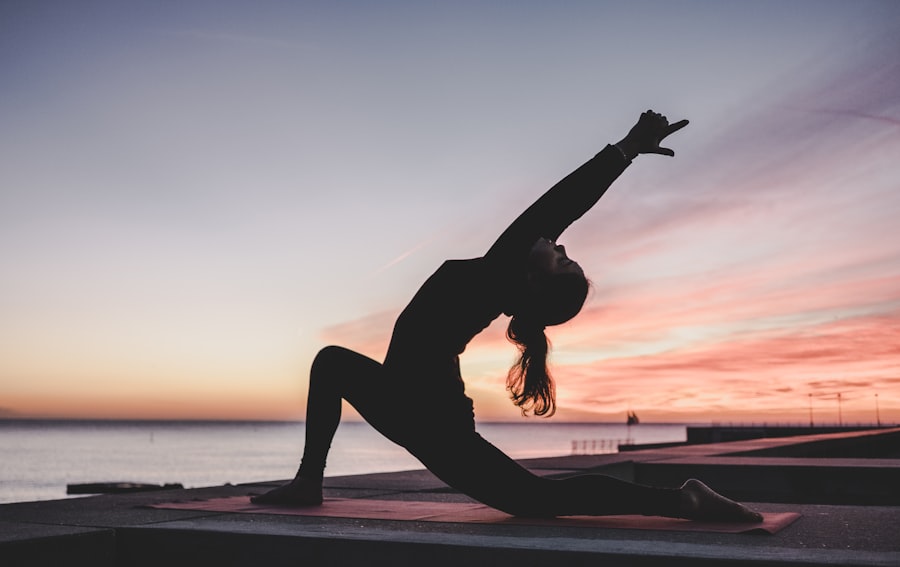
Resistance bands are versatile tools that can be used to increase flexibility and mobility. They provide resistance throughout the entire range of motion, helping to improve strength and flexibility.
One effective resistance band workout for increased flexibility is the seated hamstring stretch. Start by sitting on the floor with legs extended in front of you and a resistance band wrapped around the balls of your feet. Hold onto the ends of the band with both hands, then lean forward from the hips, reaching towards your toes. The resistance band provides added resistance to deepen the stretch and improve flexibility in the hamstrings.
The standing quad stretch is another effective resistance band workout for increased flexibility. Start by standing with feet hip-width apart and a resistance band wrapped around one foot. Hold onto the ends of the band with both hands, then bend the knee of the wrapped foot and bring the heel towards the glutes. The resistance band provides added resistance to deepen the stretch and improve flexibility in the quadriceps.
Shoulder stretches using a resistance band can help improve flexibility and mobility in the shoulders. Start by standing with feet hip-width apart and a resistance band held in both hands, palms facing forward. Extend the arms straight out in front of you, then slowly raise them overhead, keeping the band taut. Lower the arms back down to the starting position and repeat. The resistance band provides added resistance to improve flexibility in the shoulders.
Tai Chi and Qi Gong for Mind-Body Balance and Flexibility
Tai Chi and Qi Gong are ancient Chinese practices that combine movement, meditation, and breath control to promote mind-body balance and flexibility. These practices can be beneficial for individuals of all ages and fitness levels.
The Tai Chi walk is a fundamental exercise in Tai Chi that helps to improve balance, coordination, and flexibility. Start by standing with feet shoulder-width apart and arms relaxed at your sides. Take a step forward with one foot, shifting your weight onto that foot as you lift the other foot off the ground. Place the lifted foot down in front of you, then repeat with the other foot. The Tai Chi walk is slow and deliberate, allowing for increased body awareness and improved balance.
Qi Gong breathing exercises can help to improve flexibility and promote relaxation. One simple Qi Gong breathing exercise involves standing with feet shoulder-width apart and arms relaxed at your sides. Inhale deeply through the nose, filling the lungs with air, then exhale slowly through the mouth, releasing tension from the body. Repeat this deep breathing exercise for several minutes, focusing on relaxing the body and mind.
The Tai Chi fan is a tool used in Tai Chi practice that can help to improve flexibility and coordination. Holding a fan in one hand, perform slow and deliberate movements that involve opening and closing the fan, as well as rotating the wrist and arm. The Tai Chi fan exercises help to improve flexibility in the wrists and shoulders, while also promoting relaxation and mindfulness.
Balance Board and Stability Ball Exercises for Improved Coordination
Balance boards and stability balls are tools that can be used to improve coordination and balance. These tools challenge the body’s stability and require the use of multiple muscle groups to maintain control.
The stability ball plank is an effective exercise for improving coordination and balance. Start by placing your forearms on a stability ball and extending your legs out behind you, balancing on your toes. Engage your core and hold this position for 30 seconds to one minute. The stability ball plank targets the muscles in the core, shoulders, and legs, while also improving balance.
The balance board squat is another effective exercise for improving coordination and balance. Stand on a balance board with feet shoulder-width apart, then lower down into a squat position, keeping the knees aligned with the toes. Hold this position for a few seconds before standing back up. The balance board squat targets the muscles in the lower body and improves stability.
The stability ball hamstring curl is a challenging exercise that targets coordination and balance. Start by lying on your back with heels resting on a stability ball and arms extended by your sides. Engage your core and lift your hips off the ground, creating a straight line from knees to shoulders. Bend your knees and roll the stability ball towards your glutes, then extend your legs back out to the starting position. The stability ball hamstring curl targets the muscles in the hamstrings, glutes, and core, while also improving balance.
Stretching Techniques for Enhanced Flexibility and Injury Prevention
Stretching is an important aspect of fitness that can help improve flexibility, prevent injuries, and promote recovery. There are several stretching techniques that can be incorporated into a fitness routine to enhance flexibility and prevent muscle imbalances.
Static stretching is a common stretching technique that involves holding a stretch for an extended period of time, typically 30 seconds to one minute. This type of stretching helps to improve flexibility by lengthening the muscles and increasing range of motion. Static stretching is best performed after a workout or physical activity, when the muscles are warm and more pliable.
Dynamic stretching is a stretching technique that involves moving through a range of motion to warm up the muscles and prepare them for physical activity. Dynamic stretches are typically performed in a controlled and fluid manner, without holding the stretch for an extended period of time. This type of stretching helps to improve flexibility, increase blood flow to the muscles, and enhance athletic performance.
Foam rolling, also known as self-myofascial release, is a technique that involves using a foam roller to apply pressure to tight or sore muscles. Foam rolling helps to release tension in the muscles, improve flexibility, and reduce muscle soreness. This technique can be incorporated into a fitness routine as part of the warm-up or cool-down process.
Incorporating Balance and Flexibility Exercises into Your Fitness Routine
Incorporating balance and flexibility exercises into a fitness routine is essential for overall fitness and can provide numerous benefits. Balance exercises help to improve stability and coordination, reducing the risk of falls or injuries. Flexibility exercises improve range of motion, prevent muscle imbalances, and reduce the risk of injuries.
There are several exercises that specifically target balance and stability, such as single-leg balance, heel-to-toe walk, and side plank. Yoga poses can also enhance flexibility and range of motion, such as downward-facing dog, pigeon pose, and seated forward bend. Strengthening exercises for core stability and balance include plank, bird dog, and glute bridge.
Plyometric drills can improve agility and coordination, such as jump squats, box jumps, and lateral bounds. Resistance band workouts can increase flexibility and mobility, such as seated hamstring stretch, standing quad stretch, and shoulder stretch. Tai Chi and Qi Gong exercises promote mind-body balance and flexibility, such as the Tai Chi walk, Qi Gong breathing, and the Tai Chi fan.
Balance board and stability ball exercises improve coordination, such as stability ball plank, balance board squat, and stability ball hamstring curl. Stretching techniques enhance flexibility and prevent injuries, such as static stretching, dynamic stretching, and foam rolling.
Incorporating balance and flexibility exercises into a fitness routine is essential for optimal results. By targeting these areas of fitness, individuals can improve their overall performance in other areas of exercise and enhance their overall fitness level. So don’t forget to add balance and flexibility exercises to your fitness routine for a well-rounded approach to fitness.
If you’re looking to improve your balance and flexibility, you may also be interested in exploring natural remedies for stress relief. Stress can have a negative impact on our physical well-being, including our ability to maintain balance and flexibility. In this informative article on natural remedies for stress relief, you’ll discover various techniques and practices that can help reduce stress levels and promote overall wellness. Check it out here to learn more about how managing stress can contribute to better balance and flexibility.