
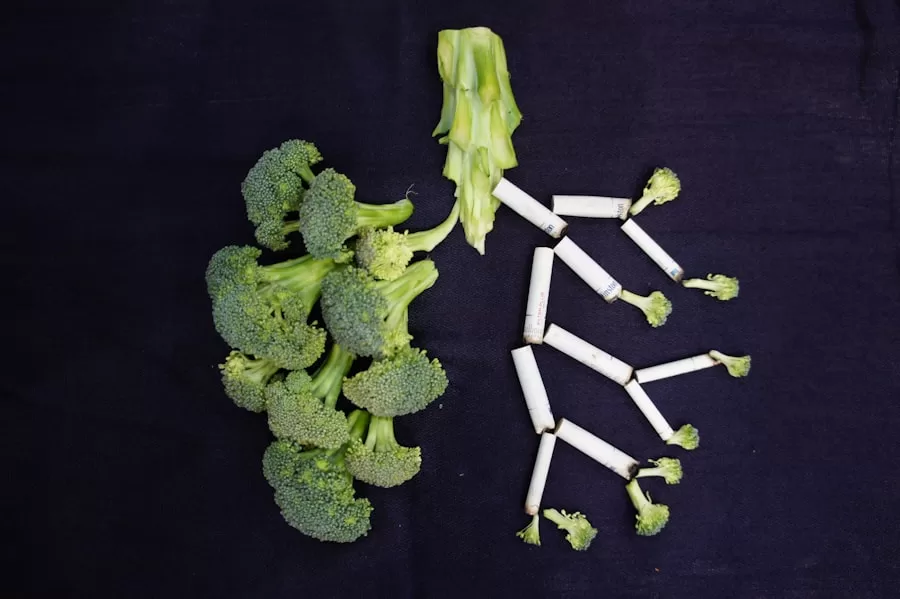

Lung capacity is a crucial aspect of overall health that is often overlooked. Our lungs play a vital role in supplying oxygen to our bodies and removing carbon dioxide, making them essential for maintaining a healthy life. In this blog post, we will explore the importance of lung capacity and provide valuable information on how to improve it. Whether you are an athlete looking to enhance your performance or someone simply wanting to improve your overall well-being, this article will provide you with the knowledge and tools to boost your lung capacity.
The Importance of Lung Capacity for a Healthy Life
Lung capacity refers to the maximum amount of air that can be inhaled and exhaled from the lungs. It is a measure of how efficiently our lungs can function. Poor lung capacity can have detrimental effects on our health. When our lungs are unable to take in enough oxygen or expel enough carbon dioxide, it can lead to fatigue, shortness of breath, and decreased physical performance.
Additionally, poor lung capacity can increase the risk of developing respiratory conditions such as asthma, chronic obstructive pulmonary disease (COPD), and even lung cancer. It can also impact other aspects of our health, such as cardiovascular function and immune system strength. Therefore, it is crucial to understand how lung capacity affects our overall well-being and take steps to improve it.
Understanding Lung Capacity and How it Affects Your Health
Lung capacity is measured using a device called a spirometer. This device measures the volume of air that can be inhaled and exhaled by the lungs. Lung capacity can vary depending on factors such as age, sex, height, weight, and overall health.
Having good lung capacity is essential for various aspects of health. Firstly, it ensures that our bodies receive an adequate supply of oxygen. Oxygen is necessary for the proper functioning of all our organs and tissues. Without enough oxygen, our bodies cannot perform at their optimal level, leading to fatigue and decreased physical performance.
Secondly, lung capacity affects cardiovascular function. When our lungs are unable to efficiently oxygenate our blood, it puts additional strain on our heart. This can lead to high blood pressure, heart disease, and other cardiovascular conditions.
Lastly, lung capacity plays a crucial role in our immune system. Our lungs act as a barrier against harmful pathogens and pollutants. When our lung capacity is compromised, it becomes easier for these harmful substances to enter our bodies, increasing the risk of respiratory infections and other illnesses.
Breathing Techniques to Boost Your Lung Capacity
| Technique | Description | Benefits |
|---|---|---|
| Diaphragmatic breathing | Breathing deeply from the diaphragm, rather than shallowly from the chest. | Increases oxygen intake, reduces stress and anxiety, improves digestion. |
| Pursed lip breathing | Breathing in through the nose and exhaling through pursed lips. | Helps regulate breathing, reduces shortness of breath, improves lung function. |
| Alternate nostril breathing | Using the fingers to alternate breathing through each nostril. | Reduces stress and anxiety, improves respiratory function, balances energy. |
| Breath holding | Inhaling deeply and holding the breath for a few seconds before exhaling. | Increases lung capacity, improves oxygen uptake, strengthens respiratory muscles. |
There are several breathing techniques that can help improve lung capacity. These techniques focus on deep breathing and expanding the lungs to their full capacity. Here are a few techniques you can try:
1. Diaphragmatic Breathing: This technique involves breathing deeply into your diaphragm rather than shallowly into your chest. To practice diaphragmatic breathing, lie down on your back and place one hand on your chest and the other on your abdomen. Take a slow, deep breath in through your nose, allowing your abdomen to rise as you fill your lungs with air. Exhale slowly through your mouth, allowing your abdomen to fall. Repeat this exercise for several minutes each day.
2. Pursed Lip Breathing: Pursed lip breathing helps to slow down your breathing and improve lung function. To practice this technique, inhale slowly through your nose for a count of two. Then, pucker your lips as if you were going to blow out a candle and exhale slowly for a count of four. Repeat this exercise for several minutes each day.
3. Box Breathing: Box breathing is a technique used by many athletes and performers to improve focus and calm the mind. To practice box breathing, inhale deeply through your nose for a count of four. Hold your breath for a count of four. Exhale slowly through your mouth for a count of four. Hold your breath again for a count of four. Repeat this exercise for several minutes each day.
The Benefits of Cardiovascular Exercise for Lung Capacity
Cardiovascular exercise is an excellent way to improve lung capacity. When we engage in activities that increase our heart rate and breathing rate, our lungs are forced to work harder, leading to improved lung function over time. Here are some of the benefits of cardiovascular exercise for lung capacity:
1. Increased Lung Efficiency: Regular cardiovascular exercise helps to strengthen the muscles involved in breathing, such as the diaphragm and intercostal muscles. This leads to increased lung efficiency and improved lung capacity.
2. Improved Oxygen Delivery: Cardiovascular exercise increases blood flow and oxygen delivery to the muscles and organs, including the lungs. This helps to improve overall lung function and oxygenation of the body.
3. Reduced Risk of Respiratory Conditions: Engaging in regular cardiovascular exercise can help reduce the risk of developing respiratory conditions such as asthma and COPD. It can also help manage symptoms in individuals who already have these conditions.
Some of the best types of exercise for improving lung capacity include running, swimming, cycling, and high-intensity interval training (HIIT). These activities require sustained effort and increase heart rate and breathing rate, making them ideal for improving lung function.
Foods and Supplements that Promote Lung Health
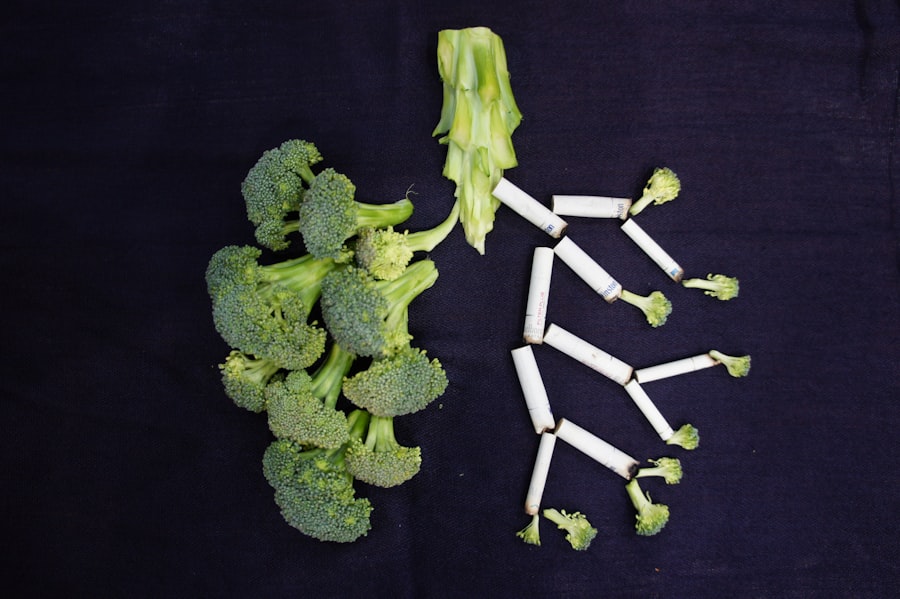
In addition to breathing techniques and exercise, certain foods and supplements can promote lung health and improve lung capacity. Here are some of the best foods and supplements for promoting healthy lungs:
1. Fruits and Vegetables: Fruits and vegetables are rich in antioxidants, which help protect the lungs from damage caused by harmful free radicals. Some of the best fruits and vegetables for lung health include berries, citrus fruits, leafy greens, broccoli, and bell peppers.
2. Omega-3 Fatty Acids: Omega-3 fatty acids have anti-inflammatory properties and can help reduce inflammation in the lungs. Foods rich in omega-3 fatty acids include fatty fish (such as salmon and mackerel), chia seeds, flaxseeds, and walnuts.
3. Vitamin D: Vitamin D plays a crucial role in lung health and immune function. It can be obtained through sun exposure or from foods such as fatty fish, fortified dairy products, and egg yolks. In some cases, a vitamin D supplement may be necessary, especially for individuals who live in areas with limited sunlight.
4. Magnesium: Magnesium is a mineral that helps relax the muscles involved in breathing, allowing for better lung function. Foods rich in magnesium include leafy greens, nuts, seeds, and whole grains.
It is important to note that while these foods and supplements can support lung health, they should not replace other lifestyle changes such as quitting smoking or engaging in regular exercise.
How to Quit Smoking and Improve Your Lung Capacity
Smoking is one of the most significant contributors to poor lung capacity and respiratory conditions. The chemicals in tobacco smoke can cause inflammation and damage to the lungs, leading to decreased lung function over time. Quitting smoking is essential for improving lung capacity and overall health. Here are some strategies to help you quit smoking:
1. Set a Quit Date: Choose a specific date to quit smoking and stick to it. This will give you a clear goal to work towards and help you stay motivated.
2. Seek Support: Quitting smoking can be challenging, so it is important to seek support from friends, family, or support groups. Consider joining a smoking cessation program or speaking with a healthcare professional for additional guidance.
3. Find Healthy Alternatives: Replace the habit of smoking with healthier alternatives such as chewing gum, drinking water, or engaging in physical activity. These activities can help distract you from cravings and reduce the urge to smoke.
4. Consider Nicotine Replacement Therapy: Nicotine replacement therapy (NRT) can help reduce withdrawal symptoms and cravings associated with quitting smoking. NRT products include nicotine patches, gum, lozenges, inhalers, and nasal sprays. Consult with a healthcare professional to determine the best NRT option for you.
Quitting smoking is not easy, but the benefits to your lung capacity and overall health are significant. It is never too late to quit smoking and start improving your lung function.
Yoga and Meditation for Improved Breathing and Lung Capacity
Yoga and meditation are practices that can help improve lung capacity by focusing on deep breathing and relaxation. Here are some of the best yoga poses and meditation techniques for improving lung capacity:
1. Deep Breathing Exercises: Many yoga classes begin with deep breathing exercises to calm the mind and prepare the body for practice. These exercises involve slow, deep breaths in through the nose and long exhales through the mouth. Practicing deep breathing regularly can help improve lung capacity over time.
2. Pranayama: Pranayama is a yogic breathing technique that involves controlling the breath to improve energy flow and lung function. One popular pranayama technique is called “Alternate Nostril Breathing.” To practice this technique, sit in a comfortable position and use your right thumb to close your right nostril. Inhale deeply through your left nostril, then use your right ring finger to close your left nostril as you exhale through your right nostril. Repeat this process, alternating nostrils with each breath.
3. Chest-Opening Poses: Chest-opening poses such as Cobra Pose (Bhujangasana) and Bridge Pose (Setu Bandhasana) can help expand the chest and improve lung capacity. These poses stretch the muscles in the chest and upper back, allowing for deeper breaths.
4. Meditation: Meditation is a practice that focuses on calming the mind and bringing awareness to the breath. By practicing meditation regularly, you can learn to control your breath and improve lung capacity. Start by finding a quiet space and sitting in a comfortable position. Close your eyes and bring your attention to your breath, focusing on each inhale and exhale. As thoughts arise, gently bring your attention back to your breath.
The Role of Clean Air in Maintaining Healthy Lungs
Clean air is essential for maintaining healthy lungs. Air pollution can have detrimental effects on lung capacity and overall respiratory health. Here are some ways to ensure clean air for healthy lungs:
1. Avoid Exposure to Pollutants: Limit your exposure to pollutants such as cigarette smoke, vehicle exhaust, and industrial emissions. If you live in an area with high levels of air pollution, consider using air purifiers in your home or wearing a mask when outdoors.
2. Indoor Air Quality: Improve indoor air quality by keeping your home clean and well-ventilated. Avoid using products that release harmful chemicals into the air, such as cleaning agents or aerosol sprays. Consider using natural cleaning products and opening windows to allow fresh air to circulate.
3. Check Air Quality Index: Stay informed about the air quality in your area by checking the Air Quality Index (AQI). The AQI provides information on the level of pollutants in the air and can help you make informed decisions about outdoor activities.
4. Plant Indoor Air-Purifying Plants: Certain plants, such as snake plants, peace lilies, and spider plants, have been shown to help purify indoor air by removing toxins and releasing oxygen. Consider adding these plants to your home to improve indoor air quality.
The Impact of Stress on Lung Capacity and How to Manage it
Stress can have a negative impact on lung capacity and overall respiratory health. When we are stressed, our breathing becomes shallow and rapid, limiting the amount of oxygen our lungs can take in. Chronic stress can lead to long-term damage to the lungs and decreased lung function. Here are some stress management techniques to help improve lung capacity:
1. Deep Breathing: Deep breathing exercises, such as diaphragmatic breathing and pursed lip breathing, can help reduce stress and improve lung capacity. Practice these techniques regularly to calm the mind and relax the body.
2. Exercise: Engaging in regular exercise is an excellent way to reduce stress and improve lung capacity. Physical activity releases endorphins, which are natural mood boosters. Find an exercise routine that you enjoy, such as walking, jogging, or dancing, and make it a regular part of your routine.
3. Meditation and Mindfulness: Meditation and mindfulness practices can help reduce stress and promote relaxation. By focusing on the present moment and bringing awareness to your breath, you can calm the mind and improve lung function.
4. Stress-Relieving Activities: Engage in activities that help you relax and reduce stress, such as reading, listening to music, taking a bath, or spending time in nature. Find what works best for you and make time for these activities regularly.
Tracking Your Lung Capacity Progress and Staying Motivated
Tracking your lung capacity progress is essential for staying motivated and monitoring improvements over time. Here are some tools and techniques for tracking progress:
1. Spirometer: A spirometer is a device used to measure lung capacity. You can use a spirometer at home to track your lung capacity over time. Consult with a healthcare professional to determine the best spirometer for your needs.
2. Fitness Tracker: Many fitness trackers have built-in features that allow you to track your breathing rate and heart rate during exercise. These features can provide valuable insights into your lung capacity progress.
3. Journaling: Keep a journal to track your lung capacity progress and any changes you notice in your breathing. Write down any improvements you experience, as well as any challenges or setbacks. This can help you stay motivated and identify patterns or triggers that may affect your lung capacity.
4. Set Goals: Set specific goals for improving your lung capacity and track your progress towards these goals. Celebrate small victories along the way to stay motivated and encouraged.
In conclusion, lung capacity plays a crucial role in overall health and well-being. Poor lung capacity can have detrimental effects on our physical performance, cardiovascular function, and immune system strength. However, by implementing breathing techniques, engaging in cardiovascular exercise, consuming foods and supplements that promote lung health, quitting smoking, practicing yoga and meditation, ensuring clean air, managing stress, and tracking progress, we can improve our lung capacity and enhance our overall health. Take action today to prioritize your lung health and enjoy the benefits of improved lung capacity.
If you’re looking to improve your lung capacity, you may also be interested in exploring natural remedies for high blood pressure. High blood pressure can have a negative impact on lung function, so it’s important to address both issues for optimal respiratory health. Check out this informative article on natural remedies for high blood pressure to discover effective strategies that can help you improve your lung capacity and overall well-being. Read more