

Blood pressure is a measure of the force that blood exerts on the walls of the arteries as it flows through them. It is an important indicator of cardiovascular health and can have a significant impact on overall well-being. High blood pressure, also known as hypertension, is a common condition that affects millions of people worldwide. If left uncontrolled, it can lead to serious health problems such as heart disease, stroke, and kidney disease.
One natural and effective way to control blood pressure is through regular exercise. Blood pressure exercises can help lower blood pressure and improve cardiovascular health. They are a safe and natural alternative to medication for many people. By incorporating exercise into your daily routine, you can take control of your blood pressure and improve your overall health.
The Benefits of Regular Exercise on Blood Pressure Control
Regular exercise has numerous benefits for blood pressure control. When you engage in physical activity, your heart rate increases, which helps to strengthen your heart muscle. This increased strength allows your heart to pump blood more efficiently, reducing the force on your arteries and lowering your blood pressure.
Exercise also helps to improve the elasticity of your arteries, making them more flexible and better able to handle changes in blood flow. This can help to reduce the strain on your cardiovascular system and lower your blood pressure.
In addition to these immediate effects, regular exercise has long-term benefits for blood pressure control. It can help to reduce the risk of developing high blood pressure in the first place, as well as lower the risk of other cardiovascular diseases such as heart attack and stroke.
How to Measure Your Blood Pressure Accurately
Accurate measurement of blood pressure is essential for monitoring and managing hypertension. It is important to measure your blood pressure correctly to ensure that you are getting an accurate reading.
To measure your blood pressure accurately at home, follow these steps:
1. Sit in a quiet room and relax for at least five minutes before taking your blood pressure.
2. Place the cuff of the blood pressure monitor on your upper arm, just above the elbow.
3. Position your arm so that it is supported and at the same level as your heart.
4. Inflate the cuff by pressing the start button on the monitor.
5. Wait for the monitor to deflate and record the reading.
It is important to take multiple readings at different times of the day to get an accurate picture of your blood pressure. Keep a record of your readings and share them with your healthcare provider.
The Role of Aerobic Exercise in Lowering Blood Pressure
| Study | Participants | Duration | Exercise Type | Results |
|---|---|---|---|---|
| Blumenthal et al. (1999) | 93 sedentary adults with hypertension | 16 weeks | Aerobic exercise (brisk walking) | Significant reduction in systolic and diastolic blood pressure |
| Cornelissen et al. (2013) | 194 adults with hypertension | 12 weeks | Aerobic exercise (cycling) | Significant reduction in systolic and diastolic blood pressure |
| Pescatello et al. (2004) | 44 adults with hypertension | 10 weeks | Aerobic exercise (treadmill walking) | Significant reduction in systolic and diastolic blood pressure |
| Whelton et al. (2002) | 133 adults with hypertension | 6 months | Aerobic exercise (brisk walking) | Significant reduction in systolic and diastolic blood pressure |
Aerobic exercise, also known as cardio exercise, is a type of exercise that increases your heart rate and breathing rate. It is an effective way to lower blood pressure and improve cardiovascular health.
When you engage in aerobic exercise, your heart pumps more blood, which helps to lower the force on your arteries. This can lead to a decrease in blood pressure over time.
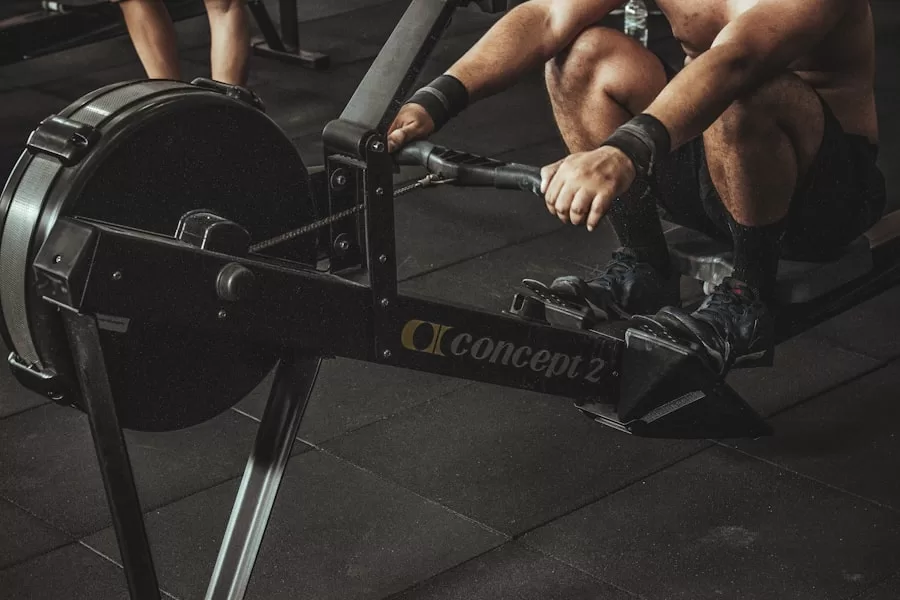
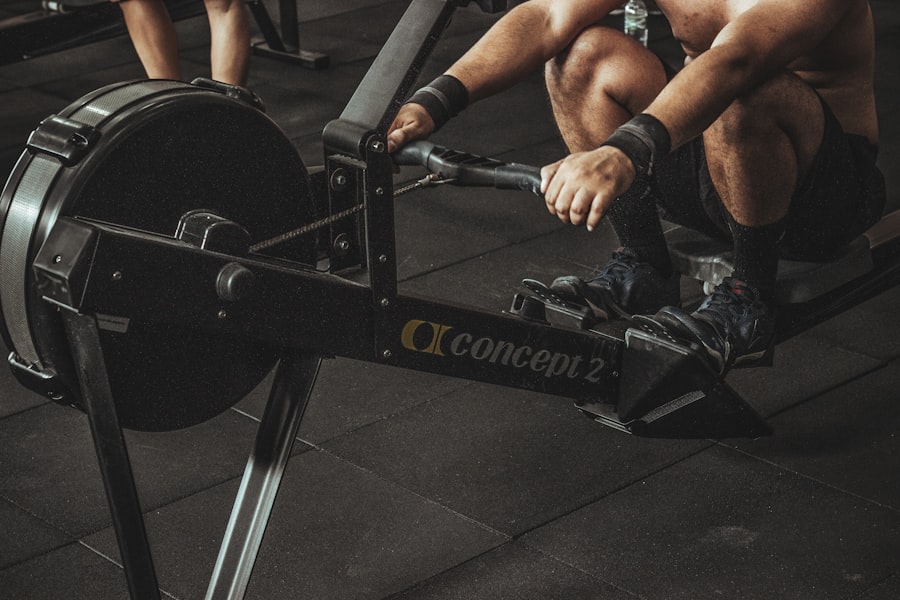
Examples of aerobic exercises that are effective for blood pressure control include walking, jogging, swimming, cycling, and dancing. Aim for at least 150 minutes of moderate-intensity aerobic exercise or 75 minutes of vigorous-intensity aerobic exercise per week.
Resistance Training and Its Impact on Blood Pressure
Resistance training, also known as strength training or weightlifting, is another effective way to lower blood pressure. It involves using resistance, such as weights or resistance bands, to build strength and muscle mass.
When you engage in resistance training, your muscles contract against an external force, which helps to improve blood flow and reduce the force on your arteries. This can lead to a decrease in blood pressure over time.
Examples of resistance training exercises that are effective for blood pressure control include weightlifting, push-ups, squats, lunges, and planks. Aim for two or more days per week of resistance training, targeting all major muscle groups.
Yoga and Meditation for Stress Reduction and Blood Pressure Control
Stress is a common factor that can contribute to high blood pressure. When you are stressed, your body releases stress hormones that can cause your blood vessels to constrict and your heart rate to increase. This can lead to an increase in blood pressure.
Yoga and meditation are effective techniques for reducing stress and lowering blood pressure. They help to activate the relaxation response in your body, which counteracts the effects of stress.
Yoga involves physical postures, breathing exercises, and meditation. It can help to reduce stress, improve flexibility and strength, and promote overall well-being. Meditation involves focusing your attention and eliminating the stream of thoughts that may be causing stress. It can help to calm your mind and reduce anxiety.
Incorporating yoga and meditation into your daily routine can help to reduce stress and lower blood pressure. Aim for at least 10-15 minutes of yoga or meditation per day.
The Importance of Maintaining a Healthy Weight for Blood Pressure Control
Maintaining a healthy weight is important for blood pressure control. Excess weight puts additional strain on your cardiovascular system, which can lead to high blood pressure.
When you carry excess weight, your heart has to work harder to pump blood through your body. This increased workload can cause your blood pressure to rise.
To maintain a healthy weight, it is important to eat a balanced diet that is rich in fruits, vegetables, whole grains, lean proteins, and healthy fats. It is also important to engage in regular physical activity and limit your intake of processed foods, sugary drinks, and unhealthy snacks.
Dietary Changes to Complement Blood Pressure Exercises
In addition to regular exercise, making dietary changes can further complement your efforts to control blood pressure.
A diet that is low in sodium and high in potassium, magnesium, and calcium has been shown to help lower blood pressure. Sodium is a mineral that can cause your body to retain fluid, which can increase blood pressure. Potassium, magnesium, and calcium are minerals that can help to relax blood vessels and lower blood pressure.
To reduce your sodium intake, limit your consumption of processed foods, canned foods, and fast food. Instead, opt for fresh fruits and vegetables, whole grains, lean proteins, and low-fat dairy products.
To increase your intake of potassium, magnesium, and calcium, include foods such as bananas, oranges, spinach, almonds, salmon, and low-fat dairy products in your diet.
The Importance of Consistency and Frequency in Blood Pressure Exercises
Consistency and frequency are key when it comes to blood pressure exercises. To see the benefits of exercise on blood pressure control, it is important to engage in regular physical activity.
Consistency means making exercise a habit and incorporating it into your daily routine. Aim for at least 30 minutes of moderate-intensity aerobic exercise most days of the week. You can break this up into shorter sessions if needed.
Frequency refers to how often you engage in physical activity. Aim for at least five days per week of aerobic exercise and two or more days per week of resistance training.
By being consistent and frequent with your blood pressure exercises, you can maximize the benefits and improve your cardiovascular health.
Tips and Precautions for Safe and Effective Blood Pressure Exercise Routines
When starting a blood pressure exercise routine, it is important to keep a few tips and precautions in mind to ensure safety and effectiveness.
– Start slowly: If you are new to exercise or have been inactive for a while, start slowly and gradually increase the intensity and duration of your workouts.
– Warm up and cool down: Always warm up before exercising by doing some light cardio activity such as walking or jogging. After your workout, cool down by stretching your muscles.
– Listen to your body: Pay attention to how your body feels during exercise. If you experience any pain or discomfort, stop and rest. If symptoms persist, consult with a healthcare professional.
– Stay hydrated: Drink plenty of water before, during, and after exercise to stay hydrated.
– Modify exercises if needed: If you have any physical limitations or health conditions, modify exercises as needed to ensure safety and prevent injury.
– Consult with a healthcare professional: If you have any concerns or questions about starting an exercise routine, consult with a healthcare professional for guidance and support.
In conclusion, blood pressure exercises are an important tool for controlling blood pressure and improving cardiovascular health. Regular exercise, including aerobic exercise, resistance training, yoga, and meditation, can help to lower blood pressure and reduce the risk of cardiovascular diseases. It is important to measure your blood pressure accurately, maintain a healthy weight, make dietary changes, and be consistent and frequent with your exercise routine. By incorporating these strategies into your daily life, you can take control of your blood pressure and improve your overall health.
If you’re looking for exercises to help manage your blood pressure, you might also be interested in learning about creating a healthy workplace environment. A recent article on AERNS provides valuable tips and insights on how to promote well-being and happiness in the workplace. By implementing these strategies, you can create an environment that supports your overall health, including managing your blood pressure.