
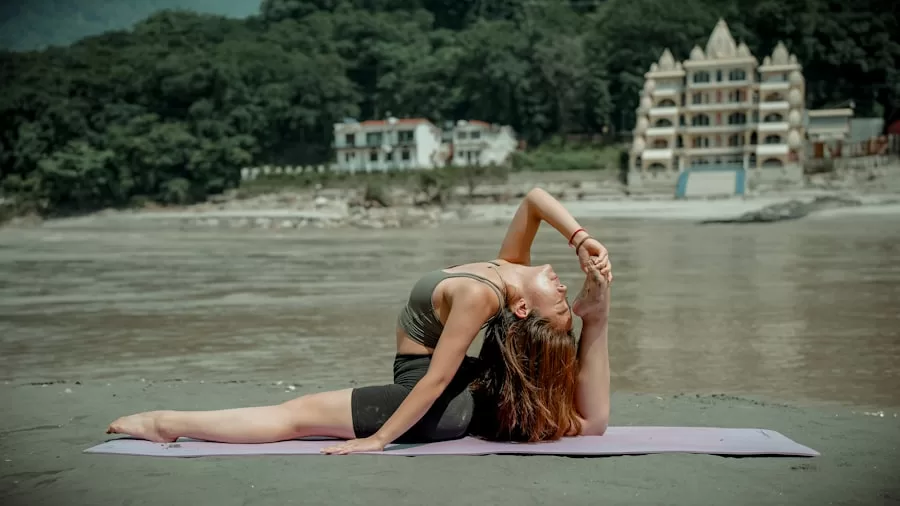

Lower back pain is a common ailment that affects millions of people worldwide. It can range from a dull ache to a sharp, stabbing pain and can significantly impact daily life. According to the World Health Organization, lower back pain is the leading cause of disability globally. It can make it difficult to perform simple tasks such as sitting, standing, or even walking.
Lower back pain can be caused by a variety of factors, including poor posture, muscle strain, and certain medical conditions. It can also be exacerbated by factors such as obesity, lack of exercise, and stress. The prevalence of lower back pain is increasing due to our sedentary lifestyles and the increasing amount of time we spend sitting at desks or in front of screens.
Causes of Lower Back Pain
One of the most common causes of lower back pain is poor posture. When we slouch or hunch over for extended periods, it puts strain on the muscles and ligaments in the lower back, leading to pain and discomfort. Another common cause is muscle strain, which can occur from lifting heavy objects, sudden movements, or overuse.
In addition to these common causes, certain medical conditions can also contribute to lower back pain. Herniated discs, spinal stenosis, and osteoarthritis are just a few examples of conditions that can cause chronic lower back pain. These conditions can lead to inflammation and nerve compression in the lower back, resulting in pain and discomfort.
The Importance of Stretching for Lower Back Pain
Stretching is an essential component of any lower back pain relief plan. It helps to alleviate tension in the muscles and improve flexibility, which can reduce pain and prevent future injuries. Stretching also increases blood flow to the muscles, promoting healing and reducing inflammation.
When we experience lower back pain, our muscles tend to tighten up as a protective mechanism. This tightening can further exacerbate the pain and limit our range of motion. Stretching helps to counteract this by lengthening and loosening the muscles, providing relief and improving mobility.
Stretching Tips and Precautions
| Stretching Tips and Precautions | Description |
|---|---|
| Warm-up | Always warm up before stretching to prevent injury. |
| Hold Time | Hold each stretch for at least 30 seconds to improve flexibility. |
| Breathing | Breathe deeply and slowly while stretching to increase relaxation. |
| Stretching Frequency | Stretch at least 2-3 times per week to maintain flexibility. |
| Stretching Routine | Develop a stretching routine that targets all major muscle groups. |
| Stretching Precautions | Avoid stretching if you have an injury or if it causes pain. |
| Stretching Progression | Gradually increase the intensity and duration of your stretches over time. |
While stretching can be beneficial for relieving lower back pain, it is important to do it safely and effectively. Here are some tips to keep in mind:
1. Warm up before stretching: It is important to warm up your muscles before stretching to prevent injury. You can do this by engaging in light aerobic activity such as walking or cycling for a few minutes.
2. Start slowly: Begin with gentle stretches and gradually increase the intensity as your muscles loosen up. Avoid pushing yourself too hard, as this can lead to further injury.
3. Hold each stretch for 30 seconds: To get the most benefit from stretching, hold each stretch for at least 30 seconds. This allows the muscles to fully relax and lengthen.
4. Breathe deeply: Remember to breathe deeply and relax while stretching. This helps to release tension in the muscles and promotes relaxation.
5. Don’t bounce: Avoid bouncing or jerking movements while stretching, as this can strain the muscles and increase the risk of injury.
6. Listen to your body: Pay attention to how your body feels during stretching. If a stretch causes pain or discomfort, ease off or try a different stretch.
Cat-Cow Stretch for Lower Back Pain
The cat-cow stretch is a gentle yoga pose that can help relieve lower back pain by stretching and mobilizing the spine. Here’s how to perform it:
1. Start on all fours with your hands directly under your shoulders and your knees directly under your hips.
2. Inhale and arch your back, dropping your belly towards the floor and lifting your head and tailbone towards the ceiling. This is the cow pose.
3. Exhale and round your back, tucking your chin towards your chest and pulling your belly button towards your spine. This is the cat pose.
4. Repeat the sequence, moving between cow and cat poses, for 5-10 breaths.
The cat-cow stretch helps to improve spinal flexibility and relieve tension in the lower back. It also stretches the muscles of the abdomen and chest, promoting overall relaxation and stress relief.
Child’s Pose for Lower Back Pain
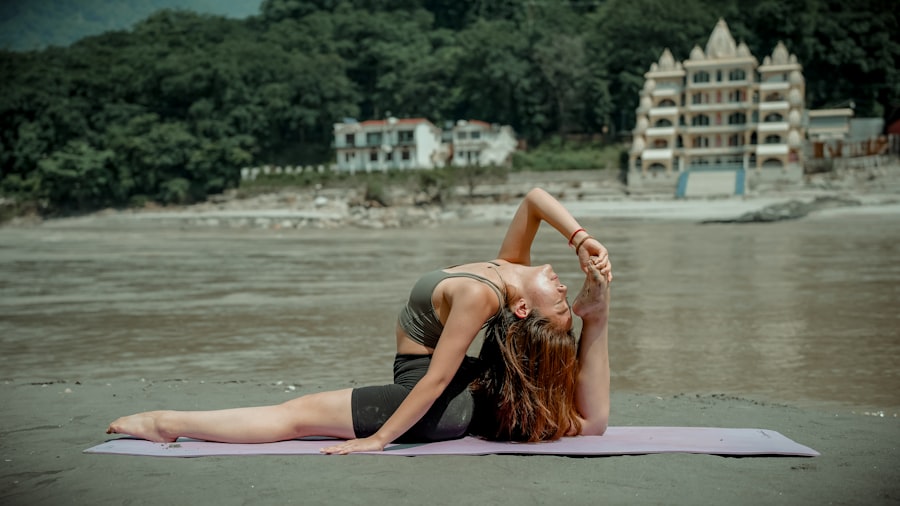
Child’s pose is a restorative yoga pose that can help relieve lower back pain by gently stretching the muscles of the back and hips. Here’s how to perform it:
1. Start on all fours with your hands directly under your shoulders and your knees directly under your hips.
2. Sit back on your heels and slowly lower your forehead to the floor, extending your arms in front of you.
3. Relax your entire body and breathe deeply, allowing your lower back to gently stretch.
4. Hold the pose for 1-2 minutes, or as long as feels comfortable.
Child’s pose helps to release tension in the lower back and hips, promoting relaxation and relieving pain. It also helps to calm the mind and reduce stress, making it an excellent pose for overall well-being.
Knee-to-Chest Stretch for Lower Back Pain
The knee-to-chest stretch is a simple yet effective stretch for relieving lower back pain. Here’s how to perform it:
1. Lie on your back with your knees bent and feet flat on the floor.
2. Slowly bring one knee towards your chest, using your hands to gently pull it closer if needed.
3. Hold the stretch for 30 seconds, feeling a gentle stretch in the lower back.
4. Repeat with the other leg.
The knee-to-chest stretch helps to stretch and lengthen the muscles of the lower back, providing relief from pain and discomfort. It also helps to improve flexibility in the hips and lower back, preventing future injuries.
Seated Spinal Twist for Lower Back Pain
The seated spinal twist is a yoga pose that helps to relieve lower back pain by stretching and mobilizing the spine. Here’s how to perform it:
1. Sit on the floor with your legs extended in front of you.
2. Bend your right knee and place your right foot on the outside of your left knee.
3. Place your left hand on your right knee and gently twist your torso to the right, using your hand to deepen the stretch.
4. Hold the stretch for 30 seconds, then repeat on the other side.
The seated spinal twist helps to improve spinal flexibility and relieve tension in the lower back. It also stretches the muscles of the hips and buttocks, promoting overall relaxation and pain relief.
Downward-Facing Dog for Lower Back Pain
Downward-facing dog is a yoga pose that stretches and strengthens the entire body, including the muscles of the lower back. Here’s how to perform it:
1. Start on all fours with your hands directly under your shoulders and your knees directly under your hips.
2. Tuck your toes under and lift your hips towards the ceiling, straightening your legs as much as possible.
3. Press your hands firmly into the mat and lengthen through your spine, creating a straight line from your hands to your hips.
4. Relax your head between your arms and breathe deeply, holding the pose for 1-2 minutes.
Downward-facing dog helps to stretch and strengthen the muscles of the entire body, including the lower back. It also improves circulation and promotes relaxation, making it an excellent pose for relieving lower back pain.
Final Thoughts on Relieving Lower Back Pain with Stretches
Incorporating stretching into your daily routine can be an effective way to relieve lower back pain and improve overall flexibility and mobility. By stretching regularly, you can alleviate tension in the muscles, improve blood flow, and prevent future injuries.
However, it is important to remember that stretching alone may not be enough to completely eliminate lower back pain. If your pain persists or worsens, it is important to seek medical attention to rule out any underlying medical conditions or injuries.
In conclusion, stretching is a valuable tool for relieving lower back pain and promoting overall health and wellness. By incorporating stretches such as the cat-cow stretch, child’s pose, knee-to-chest stretch, seated spinal twist, and downward-facing dog into your daily routine, you can experience relief from lower back pain and improve your quality of life. Remember to always listen to your body and consult with a healthcare professional if you have any concerns or questions.
If you’re looking for effective ways to alleviate lower back pain, incorporating stretching exercises into your routine can be incredibly beneficial. Stretching helps to improve flexibility, increase blood flow, and relieve tension in the muscles of the lower back. To learn more about specific stretching exercises that target lower back pain, check out this informative article: Stretching Exercises for Lower Back Pain. It provides detailed instructions and illustrations to help you perform these exercises correctly and safely. Don’t let lower back pain hold you back from enjoying a pain-free life!