
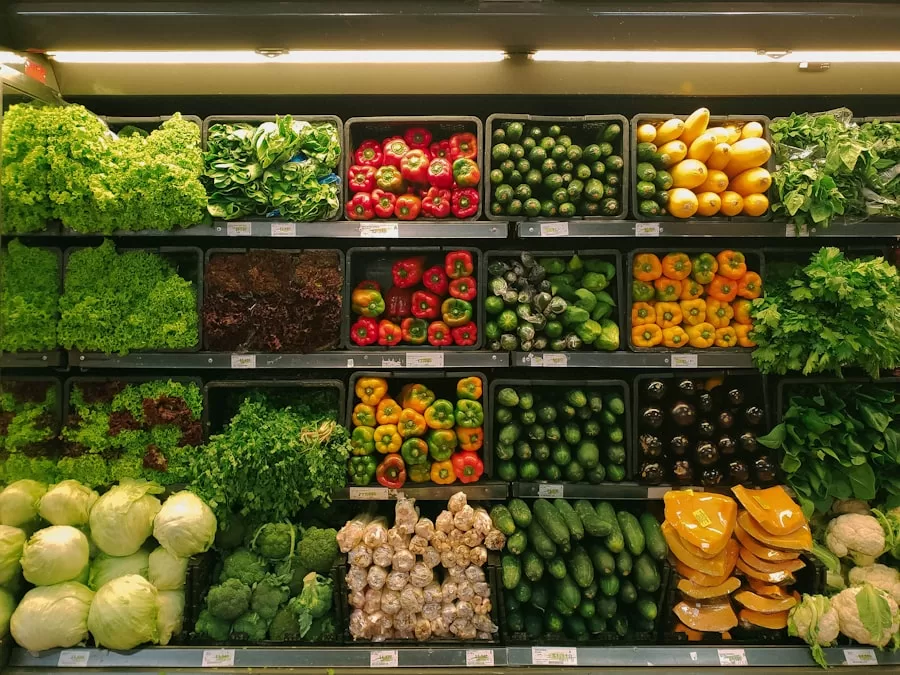

Polyphenols are a group of naturally occurring compounds found in plants that have been shown to have powerful antioxidant properties. These compounds play a crucial role in protecting our cells from damage caused by free radicals, which are unstable molecules that can lead to oxidative stress and contribute to the development of chronic diseases such as heart disease, cancer, and neurodegenerative disorders. The study of polyphenols and their impact on health is a complex and rapidly evolving field, with new research emerging regularly. This article aims to provide a comprehensive overview of the power of polyphenols for antioxidant health.
Understanding the Power of Polyphenols for Antioxidant Health
Polyphenols are a diverse group of compounds that are widely distributed in the plant kingdom. They are characterized by their ability to scavenge free radicals and neutralize their harmful effects. Polyphenols work as antioxidants by donating an electron to stabilize the free radical, thus preventing it from causing damage to our cells. In addition to their antioxidant properties, polyphenols have been shown to have anti-inflammatory, anti-cancer, and anti-aging effects.
There are several different types of polyphenols, including flavonoids, phenolic acids, stilbenes, and lignans. Each type of polyphenol has its own unique chemical structure and biological activity. Flavonoids, for example, are the most abundant and well-studied group of polyphenols. They can be further classified into subclasses such as flavonols, flavones, flavanones, and anthocyanins. Flavonoids are found in a wide variety of fruits, vegetables, herbs, and spices.
Top 10 Foods Rich in Polyphenols for Optimal Antioxidant Boost
1. Berries: Berries such as blueberries, strawberries, raspberries, and blackberries are rich in anthocyanins, a type of flavonoid that gives them their vibrant colors. Anthocyanins have been shown to have powerful antioxidant and anti-inflammatory properties.
2. Dark Chocolate: Dark chocolate is not only delicious but also a good source of polyphenols. The cocoa beans used to make dark chocolate are rich in flavonoids, particularly flavanols. Flavanols have been shown to improve blood flow, lower blood pressure, and reduce the risk of heart disease.
3. Green Tea: Green tea is a popular beverage that is rich in catechins, a type of flavonoid. Catechins have been shown to have anti-cancer, anti-inflammatory, and antioxidant properties. Drinking green tea regularly has been associated with a reduced risk of heart disease and certain types of cancer.
4. Red Wine: Red wine is another source of polyphenols, particularly resveratrol. Resveratrol has been shown to have anti-inflammatory and antioxidant effects. Moderate consumption of red wine has been associated with a reduced risk of heart disease.
5. Coffee: Coffee is one of the most widely consumed beverages in the world and is also a good source of polyphenols. Chlorogenic acid, a type of phenolic acid found in coffee, has been shown to have antioxidant and anti-inflammatory properties.
6. Apples: Apples are rich in a type of polyphenol called flavanols, particularly epicatechin. Flavanols have been shown to have anti-inflammatory and antioxidant effects. Eating apples regularly has been associated with a reduced risk of heart disease and certain types of cancer.
7. Grapes: Grapes are not only delicious but also a good source of polyphenols, particularly resveratrol. Resveratrol has been shown to have anti-inflammatory and antioxidant effects. Eating grapes or drinking grape juice has been associated with a reduced risk of heart disease.
8. Pomegranates: Pomegranates are rich in a type of polyphenol called ellagitannins. Ellagitannins have been shown to have anti-inflammatory and antioxidant effects. Drinking pomegranate juice or eating pomegranate seeds has been associated with a reduced risk of heart disease.
9. Turmeric: Turmeric is a spice that is widely used in Indian cuisine and is rich in a polyphenol called curcumin. Curcumin has been shown to have anti-inflammatory and antioxidant effects. Adding turmeric to your meals or taking curcumin supplements may help reduce inflammation and oxidative stress.
10. Olive Oil: Olive oil is a staple of the Mediterranean diet and is rich in a type of polyphenol called hydroxytyrosol. Hydroxytyrosol has been shown to have anti-inflammatory and antioxidant effects. Using olive oil as your primary cooking oil and dressing for salads may help reduce inflammation and oxidative stress.
The Benefits of Consuming Polyphenol-Rich Foods for Overall Health
| Benefits of Consuming Polyphenol-Rich Foods for Overall Health |
|---|
| Reduced risk of chronic diseases such as heart disease, diabetes, and cancer |
| Improved cognitive function and memory |
| Reduced inflammation and oxidative stress in the body |
| Improved gut health and digestion |
| Lowered blood pressure and cholesterol levels |
| Enhanced immune system function |
| Improved skin health and appearance |
Consuming a diet rich in polyphenols has been associated with numerous health benefits. These compounds have been shown to have anti-inflammatory, antioxidant, anti-cancer, and anti-aging effects. By neutralizing free radicals and reducing oxidative stress, polyphenols can help protect our cells from damage and reduce the risk of chronic diseases such as heart disease, cancer, and neurodegenerative disorders.
Polyphenols have also been shown to have positive effects on gut health. They can act as prebiotics, promoting the growth of beneficial bacteria in the gut and improving digestion. Additionally, polyphenols can help regulate blood sugar levels, improve insulin sensitivity, and reduce the risk of type 2 diabetes.
Furthermore, polyphenols have been shown to have neuroprotective effects, helping to protect against age-related cognitive decline and neurodegenerative disorders such as Alzheimer’s and Parkinson’s disease. They can also improve mood and reduce the risk of depression.
How Polyphenols Can Help Fight Chronic Diseases and Inflammation
Polyphenols have been extensively studied for their potential to fight chronic diseases and inflammation. Chronic inflammation is a key driver of many diseases, including heart disease, cancer, diabetes, and neurodegenerative disorders. Polyphenols have been shown to have anti-inflammatory effects by inhibiting the production of pro-inflammatory molecules and reducing the activity of inflammatory pathways in the body.
In addition to their anti-inflammatory effects, polyphenols have been shown to have anti-cancer properties. They can inhibit the growth of cancer cells, induce apoptosis (programmed cell death) in cancer cells, and prevent the formation of new blood vessels that supply nutrients to tumors. Polyphenols can also help protect against DNA damage caused by carcinogens and reduce the risk of mutations that can lead to cancer.
The scientific research supporting the health benefits of polyphenols is extensive and continues to grow. Numerous studies have shown that consuming a diet rich in polyphenols is associated with a reduced risk of chronic diseases such as heart disease, cancer, diabetes, and neurodegenerative disorders. However, it is important to note that more research is needed to fully understand the mechanisms by which polyphenols exert their beneficial effects and to determine optimal intake levels for different populations.
The Role of Polyphenols in Boosting Immune Function and Reducing Oxidative Stress
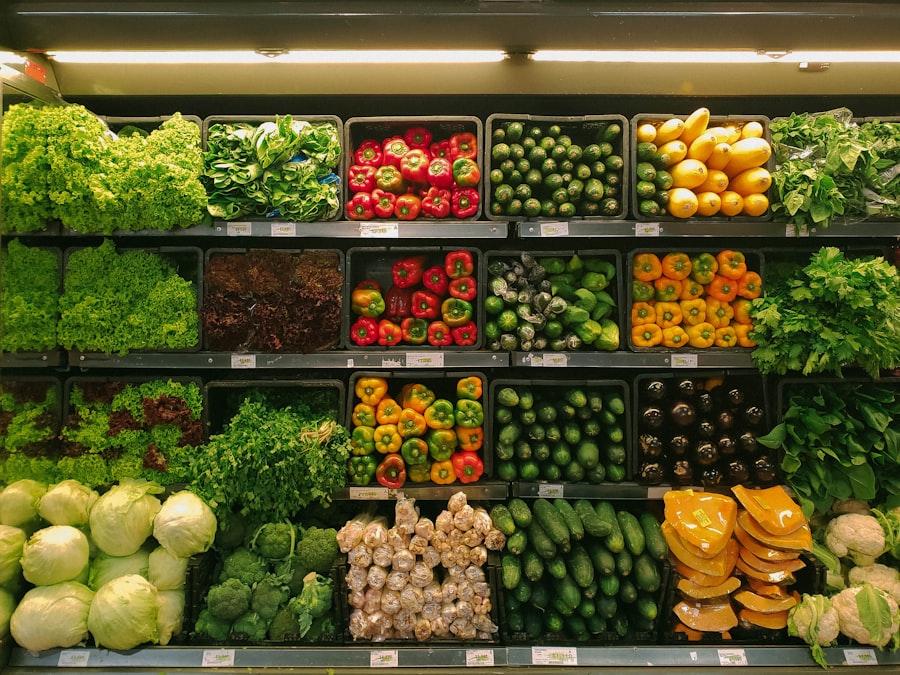
Polyphenols have been shown to have immune-boosting effects by enhancing the activity of immune cells and modulating immune responses. They can help regulate the production of cytokines, which are signaling molecules that play a crucial role in immune function. By promoting a balanced immune response, polyphenols can help protect against infections and reduce the risk of autoimmune diseases.
In addition to their immune-boosting effects, polyphenols can help reduce oxidative stress. Oxidative stress occurs when there is an imbalance between the production of free radicals and the body’s ability to neutralize them. This can lead to damage to cells, tissues, and organs. Polyphenols act as antioxidants by neutralizing free radicals and reducing oxidative stress. They can also stimulate the production of endogenous antioxidants, such as glutathione, which further helps protect against oxidative damage.
Certain types of polyphenols have been shown to have particularly potent immune-boosting and antioxidant effects. For example, epigallocatechin gallate (EGCG), a type of catechin found in green tea, has been shown to enhance immune function and reduce oxidative stress. Resveratrol, found in grapes and red wine, has also been shown to have immune-boosting and antioxidant effects.
The Best Ways to Incorporate Polyphenol-Rich Foods into Your Diet
Incorporating polyphenol-rich foods into your diet is relatively easy and can be done in a variety of ways. Here are some tips for incorporating these foods into your meals:
1. Start your day with a polyphenol-rich breakfast: Add berries or sliced apples to your oatmeal or yogurt, sprinkle ground cinnamon on top for an extra antioxidant boost.
2. Snack on polyphenol-rich foods: Keep a bowl of mixed berries or grapes in the fridge for a quick and healthy snack. You can also snack on a handful of nuts, such as walnuts or almonds, which are also rich in polyphenols.
3. Include polyphenol-rich foods in your salads: Add sliced strawberries or pomegranate seeds to your salads for a burst of flavor and antioxidants. Drizzle olive oil as your dressing for an extra dose of polyphenols.
4. Cook with herbs and spices: Use herbs and spices such as turmeric, oregano, thyme, and rosemary in your cooking to add flavor and increase your intake of polyphenols.
5. Enjoy a cup of green tea or a glass of red wine: Replace sugary beverages with a cup of green tea or a glass of red wine to enjoy the health benefits of polyphenols.
6. Experiment with dark chocolate: Choose dark chocolate with a high cocoa content (70% or higher) and enjoy a small piece as a treat. Dark chocolate can be added to smoothies, baked goods, or enjoyed on its own.
How to Maximize the Antioxidant Benefits of Polyphenols in Your Meals
While polyphenols are naturally occurring antioxidants, there are ways to maximize their benefits in your meals. Here are some tips:
1. Opt for raw or lightly cooked foods: Polyphenols can be sensitive to heat and may degrade during cooking. To preserve their antioxidant properties, try to consume fruits and vegetables raw or lightly cooked.
2. Pair polyphenol-rich foods with healthy fats: Polyphenols are fat-soluble compounds, meaning they are better absorbed when consumed with fats. Pair polyphenol-rich foods with healthy fats such as olive oil, avocado, or nuts to enhance their absorption.
3. Use acidic ingredients: Acidic ingredients such as lemon juice or vinegar can help increase the bioavailability of polyphenols. Add a squeeze of lemon juice to your salads or use vinegar-based dressings to maximize the antioxidant benefits.
4. Combine different types of polyphenols: Different types of polyphenols may have synergistic effects when consumed together. Try to incorporate a variety of polyphenol-rich foods into your meals to maximize their antioxidant benefits.
5. Avoid overcooking: Overcooking can lead to the loss of nutrients, including polyphenols. Cook your food just until it is tender to preserve its nutritional value.
The Science Behind Polyphenols and Their Positive Impact on Heart Health
Polyphenols have been extensively studied for their potential to improve heart health. Several mechanisms have been proposed to explain their positive effects on cardiovascular health.
First, polyphenols have been shown to have antioxidant properties, which can help reduce oxidative stress and inflammation in the blood vessels. Oxidative stress and inflammation are key contributors to the development of atherosclerosis, a condition characterized by the buildup of plaque in the arteries. By reducing oxidative stress and inflammation, polyphenols can help prevent the formation of plaque and reduce the risk of heart disease.
Second, polyphenols have been shown to improve endothelial function. The endothelium is the inner lining of blood vessels and plays a crucial role in regulating blood flow and preventing the formation of blood clots. Dysfunction of the endothelium is a hallmark of cardiovascular disease. Polyphenols can improve endothelial function by increasing the production of nitric oxide, a molecule that helps dilate blood vessels and improve blood flow.
Third, polyphenols have been shown to have anti-inflammatory effects. Chronic inflammation is a key driver of cardiovascular disease. By reducing inflammation, polyphenols can help protect against the development of heart disease.
Numerous studies have shown that consuming a diet rich in polyphenols is associated with a reduced risk of heart disease. For example, a study published in the American Journal of Clinical Nutrition found that individuals who consumed the highest amount of flavonoids had a 20% lower risk of coronary heart disease compared to those who consumed the lowest amount.
Polyphenols and Their Potential Anti-Cancer Properties
Polyphenols have also been studied for their potential anti-cancer properties. Several mechanisms have been proposed to explain how polyphenols may help prevent or slow down the growth of cancer cells.
First, polyphenols have been shown to have antioxidant properties, which can help reduce oxidative stress and DNA damage. DNA damage is a key driver of cancer development. By reducing oxidative stress and DNA damage, polyphenols can help protect against the development of cancer.
Second, polyphenols have been shown to have anti-inflammatory effects. Chronic inflammation is a key contributor to the development of cancer. By reducing inflammation, polyphenols can help prevent the growth and spread of cancer cells.
Third, polyphenols have been shown to have anti-proliferative effects, meaning they can inhibit the growth and division of cancer cells. They can induce apoptosis (programmed cell death) in cancer cells and prevent the formation of new blood vessels that supply nutrients to tumors.
Numerous studies have shown that consuming a diet rich in polyphenols is associated with a reduced risk of certain types of cancer. For example, a study published in the Journal of Nutrition found that individuals who consumed the highest amount of flavonoids had a 40% lower risk of lung cancer compared to those who consumed the lowest amount.
The Importance of Polyphenols for Long-Term Health and Wellness
In conclusion, polyphenols are a group of naturally occurring compounds found in plants that have powerful antioxidant properties. They play a crucial role in protecting our cells from damage caused by free radicals and reducing the risk of chronic diseases such as heart disease, cancer, and neurodegenerative disorders.
Consuming a diet rich in polyphenols has been associated with numerous health benefits, including reduced inflammation, improved immune function, and enhanced heart health. Polyphenols are a type of antioxidant found in plant-based foods such as fruits, vegetables, whole grains, and legumes. These compounds have been shown to have anti-inflammatory properties, which can help reduce the risk of chronic diseases such as heart disease and certain types of cancer. Additionally, polyphenols have been found to support a healthy immune system by boosting the production of immune cells and enhancing their function. Furthermore, research suggests that polyphenols can improve heart health by reducing oxidative stress and improving blood vessel function. Overall, incorporating a variety of polyphenol-rich foods into one’s diet can contribute to overall health and well-being.
If you’re looking to boost your health and well-being, incorporating foods with high levels of polyphenols into your diet is a great place to start. Polyphenols are powerful antioxidants that have been linked to numerous health benefits, including reducing inflammation and protecting against chronic diseases. In fact, a recent article on Aerns.com highlights some of the best foods rich in polyphenols and how they can improve your overall health. From berries and dark chocolate to green tea and red wine, these delicious options are not only tasty but also packed with these beneficial compounds. To learn more about the importance of polyphenols in your diet, check out the article here.