

Antioxidants are compounds that help protect our cells from damage caused by free radicals. Free radicals are unstable molecules that can cause oxidative stress in the body, leading to various health problems. Antioxidants work by neutralizing these free radicals, preventing them from causing harm.
A balanced diet rich in antioxidants is essential for maintaining good health. Antioxidants can be found in a variety of foods, particularly fruits and vegetables. Including these foods in our diet can help reduce the risk of chronic diseases such as heart disease, cancer, and neurodegenerative disorders.
What Are Free Radicals and How Do They Affect Our Health?
Free radicals are highly reactive molecules that are produced naturally in the body as a byproduct of various metabolic processes. They can also be generated by external factors such as pollution, radiation, and cigarette smoke. When free radicals accumulate in the body, they can cause damage to cells, proteins, and DNA.
This damage can lead to inflammation, premature aging, and an increased risk of chronic diseases. Free radicals have been linked to conditions such as cancer, heart disease, diabetes, and Alzheimer’s disease. Antioxidants play a crucial role in neutralizing these free radicals and protecting our cells from their harmful effects.
Top Antioxidant Foods: Fruits and Vegetables
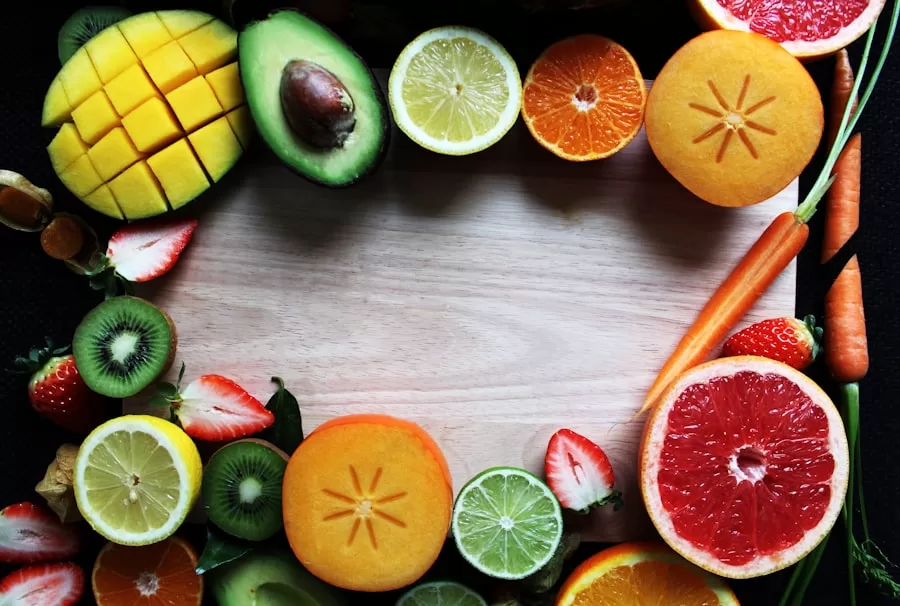
Fruits and vegetables are excellent sources of antioxidants. They contain a wide range of antioxidants such as vitamins C and E, beta-carotene, and various phytochemicals. These compounds help protect our cells from oxidative damage and reduce the risk of chronic diseases.
Some of the most antioxidant-rich fruits include blueberries, strawberries, raspberries, and pomegranates. These fruits are not only delicious but also packed with vitamins and minerals that support overall health. Vegetables such as spinach, kale, broccoli, and bell peppers are also high in antioxidants and provide numerous health benefits.
Including a variety of fruits and vegetables in our diet is essential to ensure we get a wide range of antioxidants. Aim to consume at least five servings of fruits and vegetables each day to maximize your antioxidant intake.
The Benefits of Berries for Their Antioxidant Content
| Berry Type | Antioxidant Content (ORAC Value) | Benefits |
|---|---|---|
| Blueberries | 9,621 | Improves cognitive function, reduces risk of heart disease, and helps regulate blood sugar levels |
| Strawberries | 5,938 | Reduces inflammation, improves heart health, and helps regulate blood sugar levels |
| Raspberries | 4,882 | Reduces inflammation, improves heart health, and helps regulate blood sugar levels |
| Blackberries | 5,347 | Reduces inflammation, improves heart health, and helps regulate blood sugar levels |
Berries are known for their high antioxidant content, particularly their levels of anthocyanins. Anthocyanins are a type of flavonoid that gives berries their vibrant colors. These compounds have been shown to have powerful antioxidant and anti-inflammatory properties.
Consuming berries regularly has been associated with various health benefits. Studies have shown that berries can improve cognitive function, protect against age-related cognitive decline, and reduce inflammation in the body. They may also help lower the risk of heart disease, diabetes, and certain types of cancer.
Some of the most antioxidant-rich berries include blueberries, strawberries, raspberries, and blackberries. These berries can be enjoyed fresh, frozen, or added to smoothies, yogurt, or oatmeal for a delicious and nutritious boost.
Nuts and Seeds: A Rich Source of Antioxidants
Nuts and seeds are another excellent source of antioxidants, particularly vitamin E. Vitamin E is a fat-soluble antioxidant that helps protect cell membranes from oxidative damage. It also plays a role in immune function and may help reduce the risk of chronic diseases.
Almonds, walnuts, pistachios, and sunflower seeds are all rich in vitamin E and other antioxidants. Including a handful of nuts or seeds in your daily diet can provide a significant amount of antioxidants and other essential nutrients.
Consuming nuts and seeds regularly has been associated with improved heart health, reduced inflammation, and a lower risk of certain cancers. They are also a great source of healthy fats, fiber, and protein.
Dark Chocolate: A Delicious Way to Boost Your Antioxidant Intake
Dark chocolate is not only a delicious treat but also a great source of antioxidants. It contains high levels of flavanols, a type of antioxidant that has been shown to have numerous health benefits.
Flavanols in dark chocolate can help improve blood flow, lower blood pressure, and reduce the risk of heart disease. They may also have positive effects on brain health, including improved cognitive function and a reduced risk of neurodegenerative disorders.
When choosing dark chocolate, opt for varieties with a high percentage of cocoa solids (70% or higher) to ensure a higher antioxidant content. However, it’s important to consume dark chocolate in moderation as it is still high in calories and fat.
Spices and Herbs: Adding Flavor and Antioxidants to Your Diet
Spices and herbs not only add flavor to meals but also provide a significant amount of antioxidants. Many spices and herbs contain compounds that have potent antioxidant properties.
Turmeric, for example, contains curcumin, a compound with powerful antioxidant and anti-inflammatory effects. Cinnamon is another spice that is rich in antioxidants and has been shown to help regulate blood sugar levels.
Other antioxidant-rich spices and herbs include oregano, ginger, garlic, and rosemary. Adding these ingredients to your meals can not only enhance the taste but also provide additional health benefits.
Green Tea: A Powerful Antioxidant Beverage
Green tea is well-known for its antioxidant properties. It contains high levels of catechins, a type of flavonoid that has been shown to have potent antioxidant and anti-inflammatory effects.
Drinking green tea regularly has been associated with numerous health benefits. It may help improve brain function, boost metabolism, and reduce the risk of certain types of cancer. Green tea has also been shown to have a positive effect on heart health by lowering cholesterol levels and reducing the risk of heart disease.
To maximize the antioxidant content of green tea, opt for high-quality loose-leaf tea and steep it for the recommended time. Adding a squeeze of lemon to your tea can also enhance the absorption of catechins.
Red Wine: Moderate Consumption for Antioxidant Benefits
Red wine contains antioxidants, particularly resveratrol, which is found in the skin of grapes. Resveratrol has been shown to have anti-inflammatory and antioxidant effects.
Moderate consumption of red wine has been associated with improved heart health, reduced inflammation, and a lower risk of certain types of cancer. However, it’s important to note that excessive alcohol consumption can have detrimental effects on health, so moderation is key.
It’s worth mentioning that while red wine contains antioxidants, it’s not necessary to start drinking alcohol if you don’t already. There are plenty of other ways to incorporate antioxidants into your diet without consuming alcohol.
Incorporating Antioxidant-rich Foods into Your Diet for Optimal Health
Incorporating antioxidant-rich foods into your diet is essential for optimal health. Here are some tips to help you increase your antioxidant intake:
1. Eat a variety of fruits and vegetables: Aim to include a wide range of colorful fruits and vegetables in your meals and snacks. Different fruits and vegetables contain different antioxidants, so variety is key.
2. Include nuts and seeds: Add a handful of nuts or seeds to your daily diet for a boost of antioxidants and other essential nutrients.
3. Enjoy dark chocolate in moderation: Choose dark chocolate with a high percentage of cocoa solids and enjoy it in moderation as a treat.
4. Spice up your meals: Use spices and herbs such as turmeric, cinnamon, oregano, and ginger to add flavor and antioxidants to your dishes.
5. Drink green tea: Replace sugary beverages with green tea for a refreshing drink that provides antioxidants.
6. Moderate red wine consumption: If you choose to drink alcohol, enjoy red wine in moderation for its antioxidant benefits.
Remember, a balanced diet rich in antioxidants is just one part of a healthy lifestyle. Regular exercise, adequate sleep, and stress management are also important for overall health and well-being.
Looking to boost your bone health? Check out this informative article on aerns.com that provides valuable insights into the best foods and practices for maintaining strong and healthy bones. In addition to bone health, if you’re interested in improving your gut health, you might want to read this fascinating article on aerns.com that explores the benefits of juicing for a healthier digestive system. And if you’re looking to shed some extra pounds, don’t miss this helpful article on aerns.com that reveals the top fat-burning juices to incorporate into your diet.