
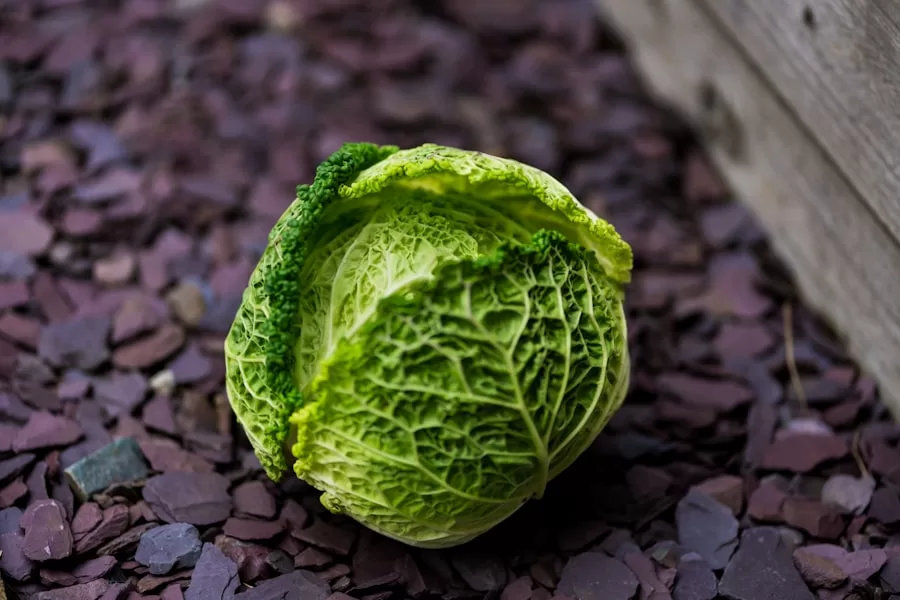

Cabbage is a versatile and nutritious vegetable that has been enjoyed for centuries. It belongs to the Brassica family, which also includes broccoli, cauliflower, and Brussels sprouts. Cabbage is known for its round or elongated shape and its tightly packed leaves. It comes in different varieties, including green, red, and savoy cabbage.
One of the reasons why cabbage is a great low-carb alternative is because it is very low in carbohydrates. In fact, one cup of chopped cabbage contains only about 5 grams of carbohydrates. This makes it an excellent choice for those following a low-carb or ketogenic diet. Additionally, cabbage is also low in calories and high in fiber, making it a filling and satisfying option for those looking to lose weight or maintain a healthy weight.
Nutritional benefits of cabbage
Cabbage is not only low in carbohydrates but also packed with essential nutrients. One cup of chopped cabbage provides about 33% of the recommended daily intake of vitamin C, which is important for immune function and collagen production. It also contains vitamin K, which is essential for blood clotting and bone health.
In addition to vitamins, cabbage is a good source of minerals such as potassium, calcium, and magnesium. These minerals are important for maintaining healthy blood pressure, strong bones, and proper muscle function.
Compared to other vegetables, cabbage stands out for its high content of antioxidants. Antioxidants are compounds that help protect the body against damage from harmful free radicals. Cabbage contains several types of antioxidants, including flavonoids and sulfur compounds, which have been linked to a reduced risk of chronic diseases such as heart disease and certain types of cancer.
Health benefits of incorporating cabbage into your diet
Incorporating cabbage into your diet can have numerous health benefits. Firstly, the high fiber content in cabbage can promote healthy digestion and prevent constipation. Fiber adds bulk to the stool, making it easier to pass through the digestive system. It also helps feed the beneficial bacteria in the gut, which can improve overall gut health.
Cabbage is also known for its anti-inflammatory properties. The antioxidants found in cabbage can help reduce inflammation in the body, which is a common underlying factor in many chronic diseases. By reducing inflammation, cabbage may help lower the risk of conditions such as heart disease, arthritis, and certain types of cancer.
Furthermore, cabbage is a cruciferous vegetable, which means it contains compounds called glucosinolates. These compounds have been shown to have anti-cancer properties and may help protect against certain types of cancer, including lung, breast, and colon cancer.
How to prepare cabbage for maximum flavor and nutrition
| Preparation Method | Flavor | Nutrition |
|---|---|---|
| Raw, shredded | Crunchy, slightly bitter | High in vitamin C and fiber |
| Sautéed | Tender, slightly sweet | Retains most nutrients, including vitamin C and fiber |
| Roasted | Crispy, nutty | Retains some nutrients, including vitamin C and fiber |
| Fermented | Tangy, sour | High in probiotics and vitamin K |
To prepare cabbage for maximum flavor and nutrition, there are a few tips to keep in mind. Firstly, it’s important to choose fresh cabbage that is firm and heavy for its size. Avoid cabbages that have wilted or discolored leaves.
When preparing cabbage, it’s best to remove the tough outer leaves and rinse the head under cold water. This will help remove any dirt or debris that may be present. After rinsing, you can chop or shred the cabbage according to your preference.
Cooking methods can affect the nutritional value of cabbage. While raw cabbage retains most of its nutrients, cooking methods such as boiling or steaming can cause some loss of vitamins and minerals. To minimize nutrient loss, it’s best to cook cabbage for a short period of time and avoid overcooking.
Cabbage recipes for low-carb meals
Cabbage can be used in a variety of low-carb recipes to add flavor and texture. Here are a few examples:
1. Cabbage stir-fry: Heat some oil in a pan and add chopped cabbage, along with other vegetables such as bell peppers, carrots, and onions. Stir-fry until the cabbage is tender-crisp. Season with soy sauce, garlic, and ginger for added flavor.
2. Cabbage wraps: Use cabbage leaves as a low-carb alternative to tortillas or bread. Fill the leaves with your choice of protein, such as grilled chicken or tofu, and add your favorite toppings and sauces.
3. Cabbage soup: Make a hearty and nutritious cabbage soup by simmering chopped cabbage with broth, diced tomatoes, and other vegetables of your choice. Season with herbs and spices for added flavor.
Cabbage as a substitute for traditional starches in popular dishes
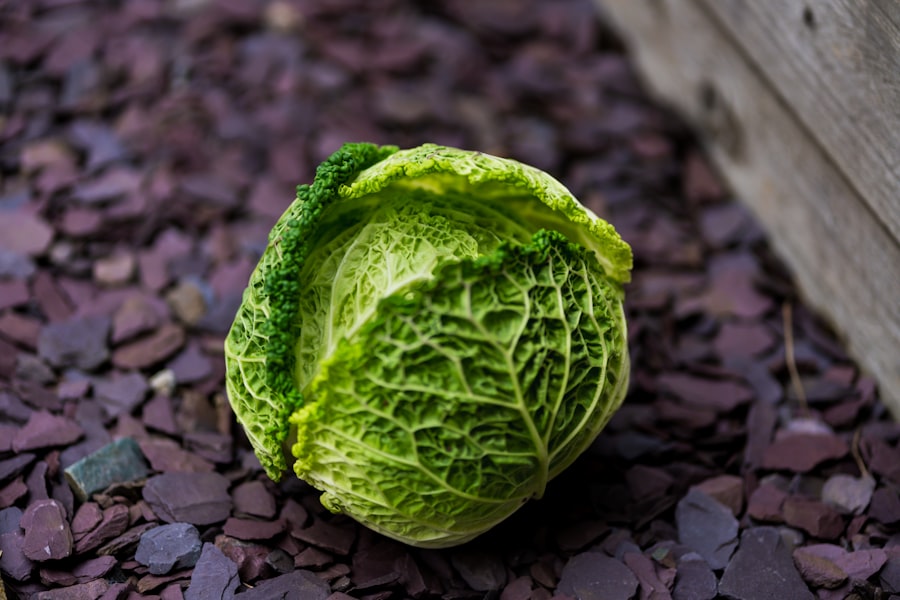
Cabbage can be a great substitute for traditional starches in popular dishes, providing a low-carb option that is packed with nutrients. Here are a few examples:
1. Cabbage noodles: Instead of using traditional pasta noodles, you can make “noodles” out of cabbage by slicing it thinly or using a spiralizer. These cabbage noodles can be used in dishes such as stir-fries or served with marinara sauce for a low-carb pasta alternative.
2. Cabbage rice: Similar to cauliflower rice, you can make “rice” out of cabbage by finely chopping or grating it. This can be used as a base for stir-fries or served alongside curries and stews.
3. Cabbage lasagna: Instead of using lasagna noodles, you can layer thinly sliced cabbage with your favorite lasagna ingredients such as meat, cheese, and sauce. Bake until the cabbage is tender and the cheese is melted and bubbly.
The versatility of cabbage in cooking
Cabbage is an incredibly versatile vegetable that can be used in a variety of cuisines and cooking methods. It can be enjoyed both raw and cooked, adding crunch and flavor to dishes.
In raw form, cabbage can be used in salads, slaws, and wraps. Its crisp texture and slightly sweet flavor make it a refreshing addition to summer salads. It can also be pickled or fermented to create sauerkraut or kimchi, which are popular in many cultures.
When cooked, cabbage can be steamed, boiled, roasted, or stir-fried. It can be added to soups, stews, and casseroles for added bulk and nutrition. Cabbage can also be stuffed with a variety of fillings and baked until tender.
How cabbage can aid in weight loss and management
Cabbage is a great addition to a weight loss or weight management plan for several reasons. Firstly, it is low in calories and high in fiber, which can help promote feelings of fullness and reduce overall calorie intake. The high fiber content also slows down digestion, which can help stabilize blood sugar levels and prevent spikes in hunger.
Additionally, cabbage is a hydrating vegetable that contains a high water content. This means that it can help keep you hydrated and satisfied without adding many calories. Staying hydrated is important for weight loss as it can help prevent overeating and promote proper digestion.
Furthermore, cabbage is a nutrient-dense food that provides essential vitamins and minerals while being low in calories. This means that you can eat a larger volume of cabbage compared to other higher-calorie foods, helping you feel more satisfied without consuming excess calories.
Cabbage as a budget-friendly option for healthy eating
Cabbage is not only a nutritious vegetable but also a budget-friendly option for healthy eating. It is often available year-round and is relatively inexpensive compared to other vegetables.
One of the reasons why cabbage is budget-friendly is because it can be stored for a long time without spoiling. A whole head of cabbage can last for several weeks when stored properly in the refrigerator. This means that you can buy cabbage in bulk when it’s on sale or in season and use it over an extended period of time.
Cabbage can also be used to stretch meals and save money. Its large size and high water content mean that it can add volume to dishes without adding many calories or cost. For example, you can add shredded cabbage to soups, stir-fries, and casseroles to make them more filling and nutritious without breaking the bank.
Tips for incorporating cabbage into your daily diet
If you’re looking to incorporate cabbage into your daily diet, here are a few tips to help you get started:
1. Start with small amounts: If you’re new to eating cabbage, start by adding small amounts to your meals and gradually increase the portion size as you become more accustomed to the taste and texture.
2. Experiment with different cooking methods: Try cooking cabbage in different ways to find your preferred method. Whether it’s steaming, stir-frying, or roasting, each method can bring out different flavors and textures in cabbage.
3. Mix it up: Don’t be afraid to mix cabbage with other vegetables or ingredients to create new and interesting dishes. Cabbage pairs well with a variety of flavors, so feel free to get creative in the kitchen.
4. Plan ahead: If you’re looking to incorporate cabbage into your daily diet, it can be helpful to plan your meals in advance. This way, you can ensure that you have enough cabbage on hand and that it doesn’t go to waste.
5. Get inspired: Look for recipes and inspiration online or in cookbooks to find new and exciting ways to incorporate cabbage into your meals. There are countless recipes available that showcase the versatility of this humble vegetable.
In conclusion, cabbage is a low-carb alternative that is not only nutritious but also versatile and budget-friendly. It can be enjoyed raw or cooked and used in a variety of dishes from salads to soups to stir-fries. By incorporating cabbage into your daily diet, you can reap the numerous health benefits it offers, including improved digestion, reduced inflammation, and weight loss support. So why not give cabbage a try and discover the many ways it can enhance your meals and contribute to a healthy lifestyle?
If you’re a fan of cabbage and want to learn more about its nutritional benefits, you might also be interested in an article on the benefits of resistance training. This article explores how resistance training can help improve muscle strength, increase metabolism, and promote overall health and well-being. Incorporating cabbage into your diet along with regular resistance training can be a great way to support your fitness goals. Check out the article here to learn more about the incredible benefits of resistance training.