
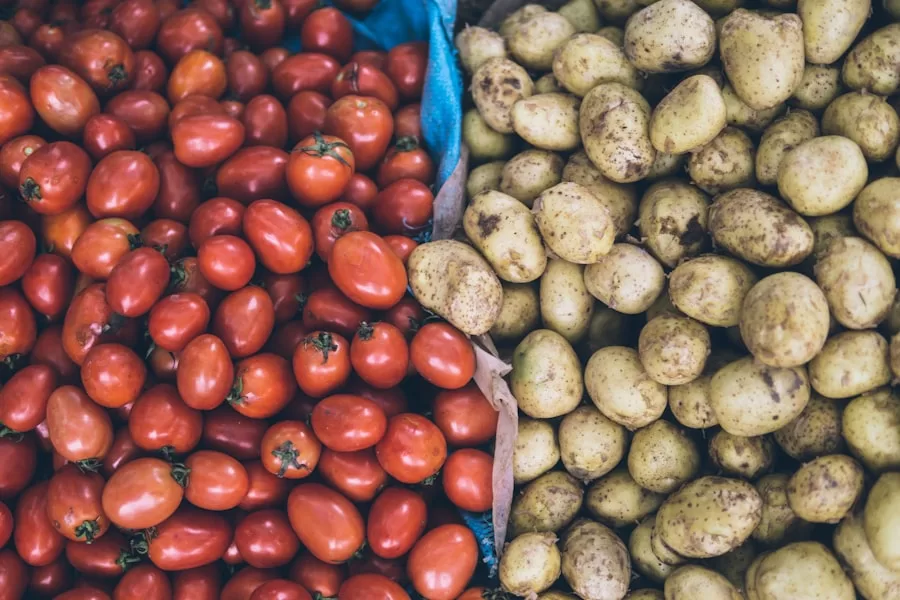

Flavonoids are a group of plant compounds that are responsible for the vibrant colors in fruits, vegetables, and flowers. They are a type of phytonutrient, which means they are naturally occurring chemicals that have numerous health benefits. Flavonoids have been studied extensively for their potential to reduce the risk of chronic diseases such as heart disease, cancer, and neurodegenerative disorders.
One of the main health benefits of flavonoids is their antioxidant activity. Antioxidants help protect the body from damage caused by harmful molecules called free radicals. Free radicals can cause oxidative stress, which has been linked to chronic inflammation and various diseases. Flavonoids also have anti-inflammatory properties, which can further contribute to their protective effects on health.
Berries: A Delicious and Nutritious Source of Flavonoids
Berries are not only delicious but also packed with flavonoids. Some of the berries that are particularly rich in flavonoids include blueberries, strawberries, raspberries, and blackberries. These berries contain various types of flavonoids such as anthocyanins, which give them their vibrant colors.
Consuming berries regularly has been associated with numerous health benefits. For example, studies have shown that eating berries may help improve brain function and memory. The antioxidants in berries can protect brain cells from oxidative stress and reduce inflammation, which may contribute to better cognitive function.
Berries are also known for their potential to improve heart health. The flavonoids in berries have been shown to reduce the risk of heart disease by improving blood pressure, reducing LDL cholesterol levels, and increasing HDL cholesterol levels. Additionally, the high fiber content in berries can help lower cholesterol levels and improve digestion.
Dark Chocolate: The Sweet Treat That Packs a Powerful Flavonoid Punch
Dark chocolate is not only a delicious treat but also a great source of flavonoids. The cocoa beans used to make dark chocolate are rich in flavonoids, particularly a type called flavanols. However, it’s important to note that not all chocolate is created equal when it comes to flavonoid content. Dark chocolate with a high percentage of cocoa solids is the best choice for maximizing flavonoid intake.
Consuming dark chocolate in moderation has been associated with several health benefits. The flavonoids in dark chocolate have been shown to improve blood flow and lower blood pressure, which can reduce the risk of heart disease. Dark chocolate may also have a positive effect on cholesterol levels by increasing HDL cholesterol and reducing LDL cholesterol oxidation.
In addition to its cardiovascular benefits, dark chocolate may also have positive effects on brain health. Studies have shown that the flavanols in dark chocolate can improve cognitive function and memory. They may also have mood-enhancing effects by increasing the production of endorphins, which are natural feel-good chemicals in the brain.
Tea: The Ultimate Beverage for Flavonoid Lovers
| Tea Type | Flavonoid Content (mg/100g) | Caffeine Content (mg/100g) |
|---|---|---|
| Green Tea | 90-300 | 20-45 |
| Black Tea | 100-400 | 20-90 |
| Oolong Tea | 50-200 | 20-50 |
| White Tea | 150-300 | 10-20 |
Tea is one of the most popular beverages in the world and is also a great source of flavonoids. Different types of tea, such as green tea, black tea, and white tea, contain varying amounts of flavonoids. Green tea, in particular, is known for its high content of a type of flavonoid called catechins.
Drinking tea regularly has been associated with numerous health benefits. The flavonoids in tea have been shown to have anti-inflammatory and antioxidant properties, which can help protect against chronic diseases such as heart disease and cancer. Tea consumption has also been linked to a reduced risk of stroke and improved brain function.
Green tea, in particular, has been extensively studied for its potential weight loss benefits. The catechins in green tea can increase metabolism and fat oxidation, which may help with weight management. Additionally, green tea has been shown to improve insulin sensitivity and reduce the risk of type 2 diabetes.
Citrus Fruits: A Zesty Way to Boost Your Flavonoid Intake
Citrus fruits are not only refreshing but also a great source of flavonoids. Some of the citrus fruits that are particularly rich in flavonoids include oranges, lemons, grapefruits, and limes. These fruits contain various types of flavonoids such as hesperidin and naringenin.
Consuming citrus fruits regularly has been associated with several health benefits. The flavonoids in citrus fruits have been shown to have anti-inflammatory and antioxidant properties, which can help protect against chronic diseases such as heart disease and cancer. Citrus fruits are also rich in vitamin C, which is known for its immune-boosting properties.
Citrus fruits may also have positive effects on digestive health. The high fiber content in these fruits can help promote regular bowel movements and prevent constipation. Additionally, the flavonoids in citrus fruits have been shown to have antimicrobial properties, which can help fight off harmful bacteria in the gut.
Leafy Greens: A Surprising Source of Flavonoids You Might Not Have Known About
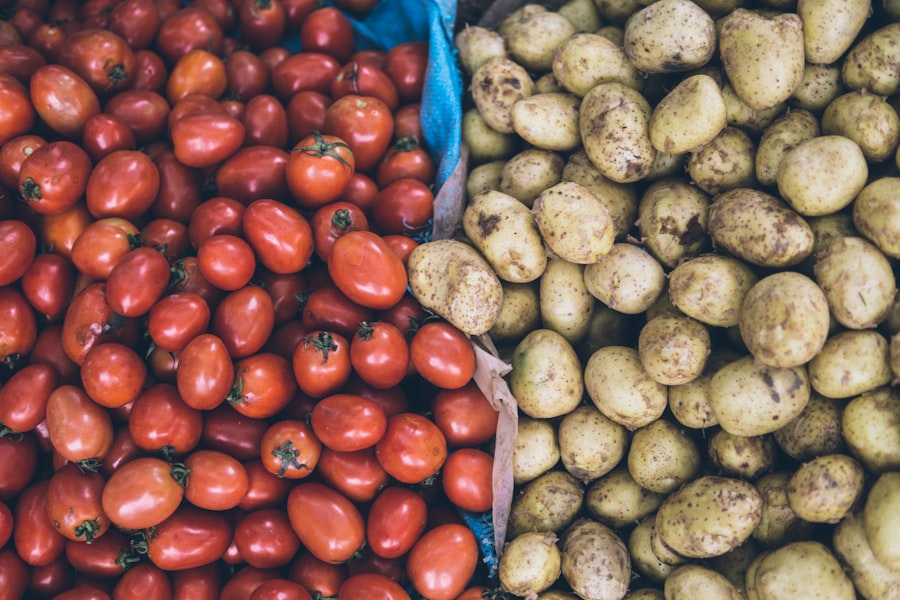
Leafy greens are often praised for their high nutrient content, but they are also a surprising source of flavonoids. Some of the leafy greens that are particularly rich in flavonoids include kale, spinach, broccoli, and Brussels sprouts. These vegetables contain various types of flavonoids such as quercetin and kaempferol.
Consuming leafy greens regularly has been associated with numerous health benefits. The flavonoids in leafy greens have been shown to have anti-inflammatory and antioxidant properties, which can help protect against chronic diseases such as heart disease and cancer. Leafy greens are also rich in vitamins and minerals, which are essential for overall health and wellbeing.
Leafy greens are particularly beneficial for eye health. The flavonoids lutein and zeaxanthin, which are found in high amounts in leafy greens, have been shown to reduce the risk of age-related macular degeneration, a leading cause of blindness in older adults. These flavonoids can help protect the eyes from damage caused by oxidative stress and harmful blue light.
Nuts and Seeds: Small but Mighty Flavonoid Powerhouses
Nuts and seeds may be small in size, but they are packed with flavonoids. Some of the nuts and seeds that are particularly rich in flavonoids include almonds, walnuts, flaxseeds, and chia seeds. These foods contain various types of flavonoids such as quercetin and catechins.
Consuming nuts and seeds regularly has been associated with several health benefits. The flavonoids in nuts and seeds have been shown to have anti-inflammatory and antioxidant properties, which can help protect against chronic diseases such as heart disease and cancer. Nuts and seeds are also rich in healthy fats, fiber, and protein, which can help promote satiety and weight management.
Nuts, in particular, have been extensively studied for their potential to improve heart health. Several studies have shown that regular nut consumption is associated with a reduced risk of heart disease. This may be due to the combination of healthy fats, fiber, and flavonoids found in nuts, which can help lower LDL cholesterol levels and improve blood pressure.
Red Wine: A Toast to the Health Benefits of Flavonoids
Red wine is often enjoyed for its rich flavors, but it is also a great source of flavonoids. The skins of red grapes used to make red wine contain a type of flavonoid called resveratrol. However, it’s important to note that moderation is key when it comes to consuming alcohol, including red wine.
Consuming red wine in moderation has been associated with several health benefits. The resveratrol in red wine has been shown to have anti-inflammatory and antioxidant properties, which can help protect against chronic diseases such as heart disease and cancer. Red wine may also have positive effects on blood pressure and cholesterol levels.
It’s important to note that the health benefits of red wine are primarily attributed to moderate consumption. Excessive alcohol consumption can have detrimental effects on health and increase the risk of various diseases. It’s recommended to limit alcohol intake to one drink per day for women and up to two drinks per day for men.
Spices and Herbs: Flavorful and Nutritious Sources of Flavonoids
Spices and herbs are not only flavorful additions to meals but also great sources of flavonoids. Some of the spices and herbs that are particularly rich in flavonoids include turmeric, ginger, cinnamon, and parsley. These ingredients contain various types of flavonoids such as curcumin and quercetin.
Consuming spices and herbs regularly has been associated with numerous health benefits. The flavonoids in spices and herbs have been shown to have anti-inflammatory and antioxidant properties, which can help protect against chronic diseases such as heart disease and cancer. Some spices, such as turmeric, have even been studied for their potential anti-cancer effects.
Spices and herbs can also enhance digestion and promote gut health. Many spices and herbs have antimicrobial properties, which can help fight off harmful bacteria in the gut. Additionally, some spices, such as ginger, have been shown to reduce nausea and improve digestion.
How to Incorporate Flavonoid Foods into Your Diet: Tips and Tricks for Delicious and Healthy Eating
Incorporating flavonoid-rich foods into your diet can be easy and delicious. Here are some suggestions for incorporating these foods into your meals and snacks:
1. Start your day with a bowl of mixed berries and a sprinkle of nuts or seeds. You can add them to your cereal, yogurt, or smoothie for a nutritious and flavorful breakfast.
2. Snack on a piece of dark chocolate with a handful of almonds or walnuts. This combination provides a satisfying and nutritious snack that is rich in flavonoids and healthy fats.
3. Enjoy a cup of green tea or herbal tea in the afternoon instead of reaching for sugary drinks. You can add a squeeze of lemon or a sprinkle of cinnamon for extra flavor and health benefits.
4. Add citrus fruits to your salads, smoothies, or water for a refreshing and tangy twist. You can also use citrus zest or juice as a flavor enhancer in your cooking.
5. Incorporate leafy greens into your meals by adding them to salads, stir-fries, soups, or smoothies. You can also use them as a base for wraps or sandwiches instead of bread.
6. Sprinkle nuts and seeds on top of your salads, yogurt, or oatmeal for added crunch and nutrition. You can also use them as a coating for baked chicken or fish for a flavorful and healthy twist.
7. Enjoy a glass of red wine with dinner occasionally, but remember to drink in moderation. Pair it with a meal that is rich in flavonoid-rich foods such as berries, dark chocolate, or leafy greens.
Recipe ideas for flavonoid-rich meals and snacks:
– Mixed Berry Smoothie: Blend together frozen berries, Greek yogurt, almond milk, and a handful of spinach for a nutritious and delicious smoothie packed with flavonoids.
– Dark Chocolate Bark: Melt dark chocolate and spread it on a baking sheet lined with parchment paper. Sprinkle with chopped nuts, dried berries, and a pinch of sea salt. Let it cool and break into pieces for a healthy and indulgent treat.
– Citrus Salad: Combine mixed greens, segments of oranges and grapefruits, sliced avocado, and toasted almonds. Drizzle with a dressing made from olive oil, lemon juice, honey, and Dijon mustard for a refreshing and flavorful salad.
– Quinoa and Kale Stir-Fry: Sauté chopped kale, bell peppers, and onions in olive oil. Add cooked quinoa, soy sauce, and a sprinkle of sesame seeds. Stir-fry until heated through and serve as a nutritious and satisfying meal.
– Spiced Roasted Nuts: Toss mixed nuts with olive oil, honey, cinnamon, cayenne pepper, and a pinch of salt. Roast in the oven until golden brown and fragrant. Let them cool and enjoy as a flavorful and nutritious snack.
In conclusion, flavonoids are a group of plant compounds that have numerous health benefits. They can be found in various foods such as berries, dark chocolate, tea, citrus fruits, leafy greens, nuts and seeds, red wine, spices, and herbs. Incorporating these flavonoid-rich foods into your diet can be easy and delicious with the suggestions and recipe ideas provided. So go ahead and enjoy the vibrant colors and flavors of these foods while reaping the many health benefits they have to offer.
If you’re looking to boost your intake of flavonoids, you’ll want to check out this article on the top 5 superfoods for a balanced diet. Flavonoids are powerful antioxidants found in many plant-based foods, and incorporating them into your meals can have numerous health benefits. From berries to dark chocolate, this article highlights the foods that are rich in flavonoids and explains why they should be a part of your daily diet. To learn more about these superfoods and how they can enhance your well-being, click here.