

High blood pressure, also known as hypertension, is a common medical condition that affects millions of people worldwide. It occurs when the force of blood against the walls of the arteries is too high, putting strain on the cardiovascular system. There are several factors that can contribute to high blood pressure, including genetics, age, lifestyle choices, and underlying health conditions. It is important to manage high blood pressure because if left untreated, it can lead to serious health complications such as heart disease, stroke, and kidney problems.
Understanding the Benefits of Yoga for High Blood Pressure
Yoga has gained popularity in recent years as a holistic approach to health and wellness. It is a mind-body practice that combines physical postures, breathing exercises, and meditation to promote overall well-being. When it comes to managing high blood pressure, yoga has been shown to be an effective tool. Regular practice of yoga can help lower blood pressure by reducing stress levels, improving cardiovascular health, and promoting relaxation.
Compared to other forms of exercise, yoga has unique benefits for managing hypertension. While aerobic exercises like running or cycling can also help lower blood pressure, they can be intense and may not be suitable for everyone. Yoga, on the other hand, is a low-impact exercise that can be modified to accommodate different fitness levels and physical abilities. It focuses on gentle movements and controlled breathing, making it a safe and accessible option for individuals with high blood pressure.
The Science Behind Yoga’s Effectiveness
Yoga has been found to have a positive impact on the body and cardiovascular system, which can help lower blood pressure. The physical postures in yoga help improve flexibility, strength, and balance. They also stimulate the relaxation response in the body, which can reduce stress and lower blood pressure.
Research studies have shown that practicing yoga regularly can lead to significant reductions in both systolic and diastolic blood pressure. One study published in the Journal of Hypertension found that individuals who practiced yoga for 12 weeks experienced a decrease in blood pressure compared to those who did not practice yoga. Another study published in the American Journal of Hypertension found that yoga was as effective as aerobic exercise in reducing blood pressure.
Yoga Poses for Lowering Blood Pressure
| Yoga Pose | Description | Benefits |
|---|---|---|
| Mountain Pose (Tadasana) | Standing with feet together, arms at sides, and shoulders relaxed. | Reduces stress and anxiety, improves posture, and increases circulation. |
| Tree Pose (Vrikshasana) | Standing on one leg with the other foot resting on the inner thigh, hands in prayer position. | Improves balance, strengthens legs and core, and reduces stress. |
| Downward-Facing Dog (Adho Mukha Svanasana) | Hands and feet on the ground, hips lifted, and head relaxed. | Reduces stress and anxiety, improves circulation, and strengthens arms and legs. |
| Child’s Pose (Balasana) | Kneeling with forehead on the ground and arms extended in front of the body. | Reduces stress and anxiety, stretches hips and thighs, and improves digestion. |
| Corpse Pose (Savasana) | Lying on the back with arms and legs extended, palms facing up. | Reduces stress and anxiety, improves sleep, and promotes relaxation. |
There are several yoga poses, also known as asanas, that can help manage hypertension. These poses are designed to stretch and strengthen the body, improve circulation, and promote relaxation. Here are a few examples of yoga poses that can be beneficial for lowering blood pressure:
1. Mountain Pose (Tadasana): Stand tall with your feet hip-width apart, arms relaxed at your sides. Ground down through your feet and lengthen your spine. Take slow, deep breaths and focus on grounding and centering yourself.
2. Forward Fold (Uttanasana): From Mountain Pose, exhale and fold forward from the hips, keeping your knees slightly bent if needed. Let your head hang heavy and relax your neck and shoulders. Breathe deeply and feel the stretch in the back of your legs.
3. Child’s Pose (Balasana): Start on your hands and knees, then sit back on your heels and lower your forehead to the mat. Extend your arms forward or rest them alongside your body. Take slow, deep breaths and allow yourself to relax into the pose.
4. Legs Up the Wall (Viparita Karani): Lie on your back with your legs extended up against a wall or elevated surface. Rest your arms alongside your body or place them on your belly or chest. Close your eyes and breathe deeply, allowing yourself to relax and release tension.
These are just a few examples of yoga poses that can help manage high blood pressure. It is important to listen to your body and modify the poses as needed to ensure safety and comfort.
Breathing Techniques for Managing Hypertension
In addition to physical postures, breathing exercises, also known as pranayama, are an integral part of yoga practice and can be beneficial for managing hypertension. Deep breathing exercises help activate the relaxation response in the body, which can lower blood pressure and reduce stress.
One simple breathing technique that can be practiced anywhere is called “4-7-8” breathing. To do this technique, sit or lie down in a comfortable position and close your eyes. Take a deep breath in through your nose for a count of 4, hold your breath for a count of 7, and then exhale slowly through your mouth for a count of 8. Repeat this cycle several times, focusing on the sensation of your breath and allowing yourself to relax with each exhale.
Another breathing technique that can be helpful for managing hypertension is alternate nostril breathing. To do this technique, sit in a comfortable position and use your right thumb to close your right nostril. Inhale deeply through your left nostril, then use your right ring finger to close your left nostril and exhale through your right nostril. Inhale through your right nostril, then use your thumb to close it and exhale through your left nostril. Continue this pattern for several rounds, focusing on the flow of breath and finding a sense of balance.
Meditation and Mindfulness for Stress Reduction
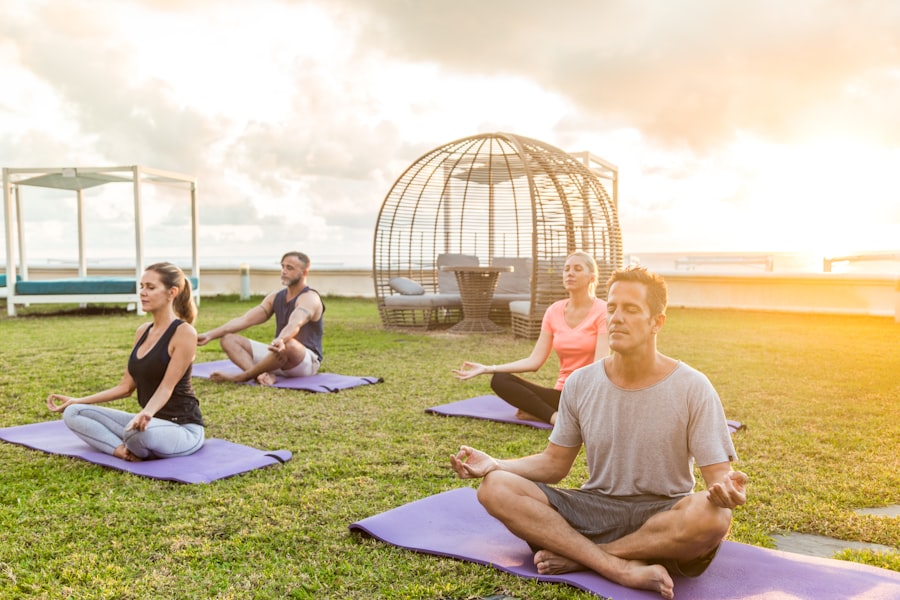
Stress is a common trigger for high blood pressure, so finding ways to manage stress is important for individuals with hypertension. Meditation and mindfulness practices can be effective tools for reducing stress levels and promoting relaxation.
Meditation involves focusing the mind on a specific object, thought, or activity to achieve a state of mental clarity and calmness. It can be done in various ways, such as sitting quietly and focusing on the breath, repeating a mantra or phrase, or visualizing a peaceful scene. Regular meditation practice has been shown to reduce stress, lower blood pressure, and improve overall well-being.
Mindfulness, on the other hand, involves paying attention to the present moment without judgment. It is about being fully present and aware of your thoughts, feelings, and sensations in the present moment. Mindfulness can be practiced during everyday activities such as eating, walking, or even washing dishes. By cultivating a non-judgmental awareness of the present moment, mindfulness can help reduce stress and promote a sense of calm.
Incorporating Yoga into a Healthy Lifestyle
To reap the benefits of yoga for managing high blood pressure, it is important to make it a regular part of a healthy lifestyle. Here are some tips for incorporating yoga into your daily routine:
1. Start small: If you are new to yoga or have limited time, start with just a few minutes of practice each day. Gradually increase the duration and intensity of your practice as you become more comfortable.
2. Find a class or instructor: Joining a yoga class or working with a qualified instructor can help ensure that you are practicing safely and effectively. Look for classes specifically designed for individuals with high blood pressure or seek out instructors who have experience working with individuals with hypertension.
3. Create a dedicated space: Set aside a quiet and clutter-free space in your home where you can practice yoga. Having a designated space can help create a sense of calm and make it easier to establish a regular practice.
4. Make it a habit: Schedule regular times for yoga practice and treat it as an important appointment with yourself. Consistency is key when it comes to reaping the benefits of yoga for managing high blood pressure.
In addition to practicing yoga, it is important to combine it with other healthy habits to effectively manage hypertension. This includes maintaining a balanced diet, getting regular exercise, getting enough sleep, and managing stress levels.
Precautions and Considerations for Practicing Yoga with High Blood Pressure
While yoga can be a safe and effective practice for managing high blood pressure, it is important to take certain precautions and considerations. Here are some safety tips for practicing yoga with hypertension:
1. Consult with your healthcare provider: Before starting any new exercise program, including yoga, it is important to consult with your healthcare provider. They can provide guidance and ensure that yoga is safe for you based on your individual health needs.
2. Listen to your body: Pay attention to how your body feels during yoga practice and modify or skip poses that feel uncomfortable or cause pain. It is important to honor your body’s limitations and not push yourself beyond what feels safe and comfortable.
3. Avoid inversions: Inversions, such as headstands or shoulder stands, can increase blood pressure and should be avoided by individuals with hypertension. Stick to gentle, grounding poses that promote relaxation and avoid any poses that put strain on the neck or head.
4. Take breaks when needed: If you start to feel lightheaded or dizzy during yoga practice, take a break and rest in a comfortable position. It is important to listen to your body and not push yourself beyond what feels safe and comfortable.
Real-Life Success Stories of Using Yoga to Lower Blood Pressure
There are many individuals who have successfully managed their blood pressure with the help of yoga. These real-life success stories serve as inspiration for others who may be considering incorporating yoga into their hypertension management plan.
One such success story is that of Sarah, a 45-year-old woman who was diagnosed with high blood pressure several years ago. She tried various medications but found that they had unwanted side effects and did not effectively lower her blood pressure. After doing some research, Sarah decided to give yoga a try.
She started attending a weekly yoga class specifically designed for individuals with high blood pressure. Over time, she noticed that her blood pressure readings were consistently lower and that she felt more relaxed and less stressed. Sarah also found that her overall fitness and flexibility improved, and she was able to reduce her reliance on medication.
Sarah’s story is just one example of how yoga can be a powerful tool for managing high blood pressure. It is important to remember that everyone’s journey is unique, and what works for one person may not work for another. However, the potential benefits of yoga for hypertension management are worth exploring.
How Yoga Can Help You Take Control of Your Health
In conclusion, yoga can be a valuable tool for managing high blood pressure and promoting overall health and well-being. By incorporating yoga into a healthy lifestyle, individuals with hypertension can experience reductions in blood pressure, improved cardiovascular health, reduced stress levels, and increased relaxation.
It is important to remember that yoga is not a substitute for medical treatment or medication. It should be used as a complementary therapy under the guidance of a healthcare provider. If you have high blood pressure or any other underlying health condition, it is important to consult with your healthcare provider before starting any new exercise program.
With regular practice and dedication, yoga can help individuals take control of their health and manage their blood pressure effectively. Whether you are new to yoga or have been practicing for years, it is never too late to start reaping the benefits of this ancient practice. So why not give it a try and see how yoga can help you on your journey to better health?
If you’re interested in exploring natural remedies for high blood pressure, you may also want to check out this informative article on healthy aging secrets. It provides valuable insights and tips on maintaining overall well-being as we age. Incorporating yoga into your routine is just one of the many ways to promote a healthy lifestyle and manage high blood pressure. To learn more, click here.