

Pedal and Pose is a unique yoga program designed specifically for cyclists. It combines the physical benefits of yoga with the specific needs of cyclists, creating a practice that enhances performance, prevents injuries, and promotes overall well-being. Yoga has long been recognized as a powerful tool for improving flexibility, strength, and mental focus, making it an ideal complement to cycling.
Cycling is a demanding sport that requires strength, endurance, and flexibility. However, the repetitive nature of cycling can lead to imbalances in the body and an increased risk of injury. This is where yoga comes in. By incorporating yoga into their training routine, cyclists can address these imbalances, improve their range of motion, and reduce the risk of injury.
Benefits of Yoga for Cyclists
1. Improved flexibility and range of motion: Cycling primarily works the muscles in the legs and hips, leading to tightness and limited range of motion in these areas. Yoga helps to counteract this by stretching and lengthening the muscles, improving flexibility and range of motion. This increased flexibility not only allows for a greater range of movement on the bike but also helps to prevent muscle imbalances and reduce the risk of injury.
2. Increased strength and endurance: While cycling is a great cardiovascular workout, it primarily targets the lower body muscles. Yoga, on the other hand, engages the entire body, including the core and upper body muscles. By incorporating yoga into their training routine, cyclists can strengthen these often-neglected muscles, improving overall strength and endurance on the bike.
3. Reduced risk of injury: Cycling can put a lot of stress on the body, particularly the knees, lower back, and neck. Over time, this can lead to overuse injuries such as tendonitis or muscle strains. Yoga helps to counteract these imbalances by stretching and strengthening the muscles in these areas, reducing the risk of injury. Additionally, yoga promotes proper alignment and body awareness, helping cyclists to maintain good form and prevent injuries caused by poor posture or technique.
4. Better mental focus and relaxation: Cycling requires a high level of mental focus and concentration, particularly during long rides or races. Yoga helps to cultivate mental focus and relaxation through breath control and mindfulness practices. By incorporating these techniques into their training routine, cyclists can improve their ability to stay present and focused on the bike, leading to better performance and a more enjoyable riding experience.
Common Cycling Injuries and How Yoga Can Help
Cycling can put a lot of stress on the body, leading to a variety of common injuries. Some of the most common cycling injuries include:
1. Knee pain: Knee pain is one of the most common complaints among cyclists. It can be caused by a variety of factors, including muscle imbalances, improper bike fit, or overuse. Yoga can help to prevent and heal knee pain by strengthening the muscles around the knee joint, improving flexibility in the hips and hamstrings, and promoting proper alignment.
2. Lower back pain: Lower back pain is another common complaint among cyclists. It can be caused by poor posture on the bike, muscle imbalances, or tightness in the hips or hamstrings. Yoga can help to alleviate lower back pain by stretching and strengthening the muscles in the lower back, hips, and core, improving posture and alignment, and promoting relaxation.
3. Neck and shoulder pain: Neck and shoulder pain is often caused by poor bike fit or tension in the upper body. Yoga can help to relieve neck and shoulder pain by stretching and strengthening the muscles in these areas, improving posture and alignment, and promoting relaxation.
4. IT band syndrome: IT band syndrome is a common overuse injury among cyclists. It is caused by inflammation of the iliotibial band, a thick band of connective tissue that runs along the outside of the thigh. Yoga can help to prevent and heal IT band syndrome by stretching and strengthening the muscles in the hips and thighs, improving flexibility and range of motion, and promoting proper alignment.
Yoga Poses for Cyclists: A Guide
| Yoga Pose | Description | Benefits |
|---|---|---|
| Downward-Facing Dog | A pose that stretches the hamstrings, calves, and spine while strengthening the arms and shoulders. | Improves posture, relieves back pain, and increases flexibility. |
| Pigeon Pose | A hip-opening pose that stretches the glutes, hips, and lower back. | Relieves tension in the hips and lower back, improves flexibility, and can help prevent knee injuries. |
| Warrior II | A standing pose that strengthens the legs and core while stretching the hips and chest. | Improves balance, strengthens the legs and core, and can help prevent knee injuries. |
| Tree Pose | A balancing pose that strengthens the legs and core while improving focus and concentration. | Improves balance, strengthens the legs and core, and can help prevent ankle injuries. |
| Child’s Pose | A restorative pose that stretches the hips, thighs, and ankles while calming the mind. | Relieves stress and tension, improves flexibility, and can help alleviate knee and ankle pain. |
There are a variety of yoga poses that specifically benefit cyclists. These poses target the muscles used in cycling, improve flexibility and range of motion, and promote proper alignment. Here are some key poses to incorporate into your yoga practice:
1. Downward Facing Dog: Downward Facing Dog is a great pose for cyclists as it stretches and lengthens the hamstrings, calves, and Achilles tendons. It also strengthens the arms, shoulders, and core, promoting proper alignment and stability on the bike.
To perform Downward Facing Dog, start on your hands and knees. Press your hands firmly into the mat, tuck your toes under, and lift your hips up towards the ceiling. Keep your knees slightly bent if needed to maintain a straight spine. Press your heels towards the mat and lengthen through the backs of your legs. Hold for several breaths, then release.
2. Pigeon Pose: Pigeon Pose is a deep hip opener that stretches the glutes, hips, and IT band. It also helps to improve flexibility in the hips and reduce tension in the lower back.
To perform Pigeon Pose, start in a high plank position. Bring your right knee towards your right wrist, placing your right foot near your left hip. Extend your left leg behind you, keeping your hips square to the front of the mat. Lower down onto your forearms or a block if needed to support your upper body. Hold for several breaths, then switch sides.
3. Bridge Pose: Bridge Pose is a great pose for strengthening the glutes, hamstrings, and lower back. It also helps to open up the chest and shoulders, promoting better posture on the bike.
To perform Bridge Pose, lie on your back with your knees bent and feet hip-width apart. Press your feet into the mat and lift your hips up towards the ceiling. Keep your knees in line with your ankles and engage your glutes and core. Hold for several breaths, then release.
4. Tree Pose: Tree Pose is a balancing pose that helps to improve stability and focus. It also strengthens the muscles in the legs and core, promoting better balance on the bike.
To perform Tree Pose, stand tall with your feet hip-width apart. Shift your weight onto your left foot and lift your right foot off the ground. Place the sole of your right foot against your left inner thigh or calf, avoiding the knee joint. Press your foot into your leg and engage your core for stability. Bring your hands to prayer position at your heart or extend them overhead. Hold for several breaths, then switch sides.
Breathing Techniques for Improved Cycling Performance
Breathing plays a crucial role in cycling performance. Proper breathing techniques can help to improve endurance, reduce fatigue, and promote relaxation on the bike. Here are some specific breathing techniques for cyclists:
1. Diaphragmatic breathing: Diaphragmatic breathing, also known as belly breathing, is a deep breathing technique that engages the diaphragm and promotes relaxation. To practice diaphragmatic breathing, sit or lie down in a comfortable position. Place one hand on your belly and one hand on your chest. Take a deep breath in through your nose, allowing your belly to rise as you fill your lungs with air. Exhale slowly through your nose or mouth, allowing your belly to fall as you release the breath. Repeat for several breaths, focusing on deepening and lengthening each breath.
2. Ujjayi breath: Ujjayi breath is a powerful breathing technique that helps to calm the mind, regulate the breath, and build heat in the body. To practice Ujjayi breath, sit or stand in a comfortable position. Take a deep breath in through your nose, allowing your belly to rise. As you exhale, constrict the back of your throat slightly, creating a soft hissing sound. Continue to breathe in this way, focusing on the sound and rhythm of your breath.
3. Alternate nostril breathing: Alternate nostril breathing is a balancing and calming breathing technique that helps to regulate the breath and promote mental focus. To practice alternate nostril breathing, sit in a comfortable position with your spine tall. Close your right nostril with your right thumb and inhale deeply through your left nostril. Close your left nostril with your right ring finger and exhale through your right nostril. Inhale through your right nostril, then close it with your thumb and exhale through your left nostril. Continue to alternate sides for several rounds, focusing on the smooth and steady flow of your breath.
Incorporating these breathing techniques into your cycling and yoga practice can help to improve endurance, reduce fatigue, and promote relaxation on the bike.
Yoga for Cyclists: Finding Balance and Flexibility
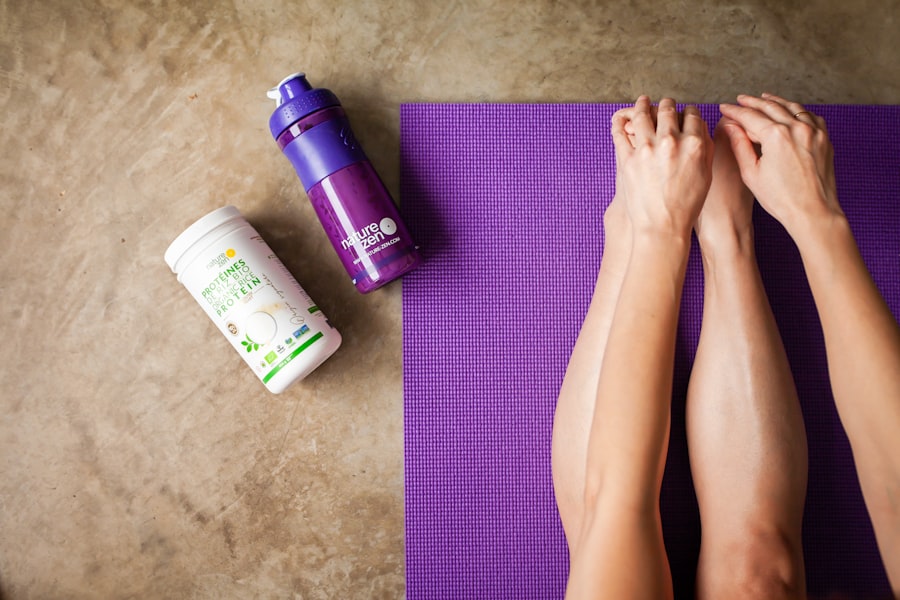
Balance and flexibility are key components of a successful cycling practice. Yoga can help to improve balance and flexibility by targeting specific muscles and promoting proper alignment. Here are some specific yoga poses and sequences for balance and flexibility:
1. Warrior III: Warrior III is a balancing pose that strengthens the legs, core, and upper body while improving balance and focus. To perform Warrior III, start in Mountain Pose with your feet hip-width apart. Shift your weight onto your left foot and lift your right leg off the ground, extending it straight behind you. Reach your arms forward alongside your ears, keeping them parallel to the ground. Engage your core and lengthen through your spine. Hold for several breaths, then switch sides.
2. Standing Forward Fold: Standing Forward Fold is a great pose for stretching the hamstrings, calves, and lower back while promoting relaxation and grounding. To perform Standing Forward Fold, stand tall with your feet hip-width apart. Hinge forward at the hips, keeping your spine long and your knees slightly bent if needed. Allow your upper body to hang down towards the ground, reaching your hands towards your feet or the mat. Hold for several breaths, focusing on releasing tension in the back of the legs and spine.
3. Seated Forward Fold: Seated Forward Fold is a seated pose that stretches the hamstrings, calves, and lower back while promoting relaxation and grounding. To perform Seated Forward Fold, sit tall with your legs extended in front of you. Hinge forward at the hips, keeping your spine long and your knees slightly bent if needed. Reach your hands towards your feet or the mat, allowing your upper body to fold over your legs. Hold for several breaths, focusing on releasing tension in the back of the legs and spine.
4. Half Moon Pose: Half Moon Pose is a balancing pose that strengthens the legs, core, and upper body while improving balance and focus. To perform Half Moon Pose, start in Warrior II with your right foot forward. Shift your weight onto your right foot and lift your left leg off the ground, extending it straight behind you. Reach your left arm towards the ceiling, keeping it in line with your shoulder. Engage your core and lengthen through your spine. Hold for several breaths, then switch sides.
Incorporating these poses into your yoga practice can help to improve balance and flexibility, leading to a more balanced and fluid cycling experience.
Yoga for Cyclists: Strengthening the Core and Upper Body
Core and upper body strength are essential for cycling performance. A strong core helps to stabilize the body on the bike, while strong upper body muscles assist with steering and control. Yoga can help to strengthen the core and upper body by targeting specific muscles and promoting proper alignment. Here are some specific yoga poses and sequences for core and upper body strength:
1. Plank Pose: Plank Pose is a foundational pose that strengthens the core, arms, and shoulders while promoting stability and proper alignment. To perform Plank Pose, start in a high push-up position with your hands directly under your shoulders and your feet hip-width apart. Engage your core and lengthen through your spine, keeping your body in a straight line from head to heels. Hold for several breaths, focusing on maintaining a strong and stable core.
2. Boat Pose: Boat Pose is a challenging pose that strengthens the core, hip flexors, and lower back while promoting balance and focus. To perform Boat Pose, sit tall with your knees bent and feet flat on the ground. Lean back slightly, engaging your core and lifting your feet off the ground. Extend your arms forward alongside your legs, keeping them parallel to the ground. Hold for several breaths, focusing on maintaining a strong and stable core.
3. Dolphin Pose: Dolphin Pose is a variation of Downward Facing Dog that strengthens the arms, shoulders, and core while promoting proper alignment and stability. To perform Dolphin Pose, start on your hands and knees. Lower down onto your forearms, keeping your elbows directly under your shoulders. Tuck your toes under and lift your hips up towards the ceiling, coming into an inverted V shape. Engage your core and lengthen through your spine. Hold for several breaths, focusing on maintaining a strong and stable core.
4. Chaturanga Dandasana: Chaturanga Dandasana is a challenging pose that strengthens the arms, shoulders, and core while promoting stability and proper alignment. To perform Chaturanga Dandasana, start in a high push-up position with your hands directly under your shoulders and your feet hip-width apart. Engage your core and lengthen through your spine, keeping your body in a straight line from head to heels. Lower down halfway, keeping your elbows close to your sides. Hold for several breaths, focusing on maintaining a strong and stable core.
Incorporating these poses into your yoga practice can help to strengthen the core and upper body, leading to improved stability and control on the bike.
Incorporating Yoga into Your Cycling Training Routine
Incorporating yoga into your cycling training routine can be a game-changer. Not only does it provide physical benefits such as improved flexibility, strength, and endurance, but it also promotes mental focus and relaxation. Here are some tips for incorporating yoga into your cycling training routine:
1. Start with shorter sessions: If you’re new to yoga, start by incorporating shorter yoga sessions into your training routine. Aim for 15-30 minutes of yoga 2-3 times per week and gradually increase the duration as you become more comfortable.
2. Choose poses that target specific areas: Focus on poses that target the muscles used in cycling, such as the hips, hamstrings, and core. This will help to address imbalances and improve performance on the bike.
3. Listen to your body: Pay attention to how your body feels during and after yoga practice. If a pose or sequence feels uncomfortable or causes pain, modify or skip it altogether. It’s important to honor and respect your body’s limits and not push yourself beyond what feels safe and comfortable. Remember that yoga is meant to be a practice of self-care and self-awareness, so listen to any signals your body is sending you and make adjustments accordingly. Trusting your body’s wisdom will help prevent injuries and allow for a more enjoyable and sustainable yoga practice.
If you’re a cyclist looking to enhance your physical fitness and overall well-being, incorporating yoga into your routine can be highly beneficial. Not only does yoga help improve flexibility and strength, but it also promotes mental clarity and relaxation. In fact, a recent article on Aerns.com highlights the ways in which yoga promotes holistic health. This informative piece delves into the various physical and mental benefits of yoga, making it a must-read for cyclists seeking to optimize their performance on and off the bike. Check out the article here to discover how yoga can enhance your cycling journey.