


Pudding has long been a beloved dessert for people of all ages. Its creamy texture and sweet flavor make it a comforting treat that many people enjoy. However, traditional pudding recipes often contain high amounts of sugar, fat, and artificial ingredients, which can have negative effects on our health. Luckily, there is a solution – healthy pudding.
Healthy pudding is a modified version of traditional pudding that uses healthier ingredients and preparation methods. By making a few simple changes, you can enjoy the deliciousness of pudding without the guilt. In this article, we will explore the benefits of healthy pudding and provide you with tips, tricks, and recipes to make your own.
How to Make Pudding Healthier: Tips and Tricks
When it comes to making pudding healthier, the key is to use healthier ingredients and reduce the amount of sugar and fat in the recipe. One way to do this is by using alternative sweeteners such as honey, maple syrup, or stevia instead of refined sugar. These natural sweeteners not only add sweetness but also provide additional nutrients.
Another tip is to reduce the amount of fat in the recipe by using low-fat or non-fat milk instead of whole milk or cream. You can also replace some or all of the butter or oil with unsweetened applesauce or mashed bananas. These substitutions not only reduce the fat content but also add natural sweetness and moisture to the pudding.
Additionally, you can experiment with alternative thickeners such as cornstarch or arrowroot powder instead of traditional flour-based thickeners. These alternatives are gluten-free and can be used in a variety of recipes without compromising the texture or taste of the pudding.
Low-Calorie Pudding Recipes for Weight Loss
For those who are watching their calorie intake or trying to lose weight, low-calorie pudding recipes are a great option. By using low-calorie ingredients and practicing portion control, you can enjoy a satisfying dessert without derailing your weight loss goals.
One low-calorie pudding recipe is a chocolate avocado pudding. Avocado is a healthy fat that adds creaminess to the pudding while also providing essential nutrients. To make this pudding, blend together ripe avocados, unsweetened cocoa powder, a natural sweetener of your choice, and a splash of almond milk until smooth. Divide the mixture into individual serving cups and refrigerate until set.
Another low-calorie option is a Greek yogurt pudding. Greek yogurt is high in protein and low in calories, making it an excellent choice for a healthy dessert. To make this pudding, mix together Greek yogurt, a natural sweetener, and a flavoring of your choice such as vanilla extract or fruit puree. Refrigerate until set and enjoy.
Vegan Pudding Recipes for Plant-Based Diets
| Recipe Name | Ingredients | Calories per Serving | Protein per Serving | Fat per Serving | Carbs per Serving |
|---|---|---|---|---|---|
| Chocolate Avocado Pudding | Avocado, cocoa powder, almond milk, maple syrup | 200 | 3g | 15g | 15g |
| Chia Seed Pudding | Chia seeds, almond milk, vanilla extract, maple syrup | 150 | 5g | 8g | 20g |
| Banana Pudding | Bananas, coconut milk, vanilla extract, cornstarch | 180 | 2g | 10g | 25g |
| Pumpkin Spice Pudding | Pumpkin puree, coconut milk, maple syrup, pumpkin pie spice | 220 | 2g | 15g | 20g |
For those following a plant-based or vegan diet, traditional pudding recipes can be off-limits due to the use of dairy products and eggs. However, there are plenty of delicious vegan pudding options that are just as creamy and satisfying.
One vegan pudding recipe is a coconut chia seed pudding. Chia seeds are a great source of omega-3 fatty acids and fiber, making them a nutritious addition to any dessert. To make this pudding, mix together coconut milk, chia seeds, a natural sweetener, and any additional flavorings such as vanilla extract or cinnamon. Let the mixture sit in the refrigerator overnight to allow the chia seeds to absorb the liquid and create a thick pudding-like consistency.
Another vegan option is a tofu-based pudding. Silken tofu is smooth and creamy, making it an excellent substitute for dairy in pudding recipes. To make this pudding, blend together silken tofu, a natural sweetener, and any additional flavorings such as cocoa powder or fruit puree. Refrigerate until set and enjoy.
Gluten-Free Pudding Recipes for Gluten-Sensitive Individuals
For those with gluten sensitivities or celiac disease, finding gluten-free dessert options can be a challenge. However, there are many gluten-free pudding recipes that are just as delicious as their gluten-containing counterparts.
One gluten-free pudding recipe is a rice pudding made with coconut milk. Coconut milk adds richness and flavor to the pudding while also keeping it dairy-free. To make this pudding, cook rice in coconut milk, a natural sweetener, and any additional flavorings such as vanilla extract or cinnamon until the rice is tender and the mixture has thickened. Serve warm or chilled.
Another gluten-free option is a tapioca pudding made with almond milk. Tapioca pearls are naturally gluten-free and create a unique texture in the pudding. To make this pudding, cook tapioca pearls in almond milk, a natural sweetener, and any additional flavorings such as coconut extract or fruit puree until the pearls are translucent and the mixture has thickened. Chill before serving.
Sugar-Free Pudding Recipes for Diabetics
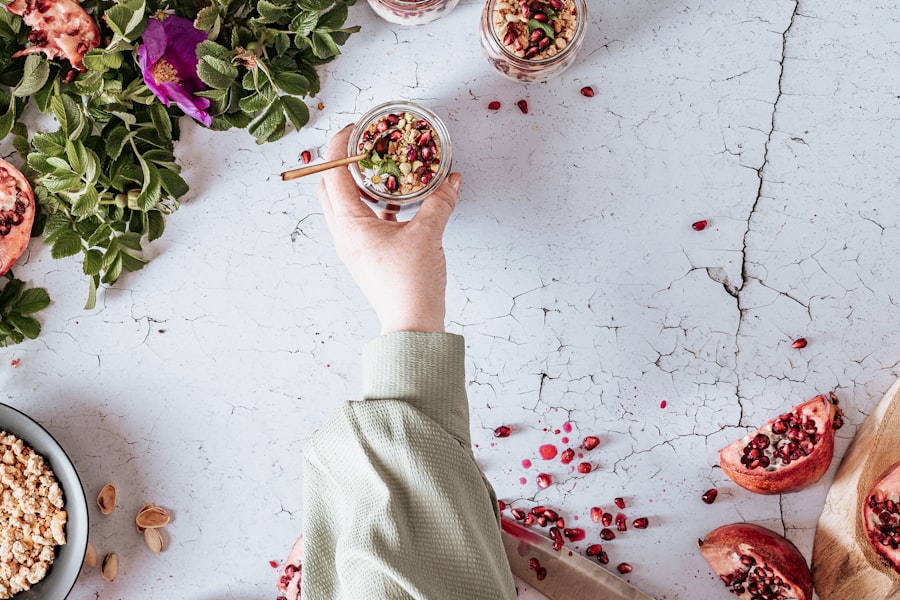
For individuals with diabetes or those who are trying to reduce their sugar intake, sugar-free pudding recipes are a great alternative. By using alternative sweeteners such as stevia or monk fruit extract, you can enjoy a sweet treat without causing spikes in blood sugar levels.
One sugar-free pudding recipe is a pumpkin spice chia seed pudding. Pumpkin puree adds natural sweetness and flavor to the pudding while also providing essential nutrients. To make this pudding, mix together pumpkin puree, chia seeds, almond milk, a sugar substitute of your choice, and pumpkin pie spice. Let the mixture sit in the refrigerator overnight to allow the chia seeds to absorb the liquid and create a thick pudding-like consistency.
Another sugar-free option is a cinnamon apple yogurt pudding. Apples are naturally sweet and high in fiber, making them a great choice for a sugar-free dessert. To make this pudding, mix together Greek yogurt, unsweetened applesauce, a sugar substitute, and cinnamon. Refrigerate until set and enjoy.
Nutritious Ingredients to Add to Your Pudding
One of the benefits of making your own healthy pudding is the ability to add nutritious ingredients that can boost the nutritional value of the dessert. By adding ingredients such as chia seeds, flaxseeds, or fruit, you can increase the fiber and nutrient content of the pudding.
Chia seeds are a great addition to pudding as they are high in fiber, omega-3 fatty acids, and antioxidants. They also create a unique texture when soaked in liquid, making them perfect for creating a thick and creamy pudding.
Flaxseeds are another nutritious ingredient that can be added to pudding. They are high in fiber, omega-3 fatty acids, and lignans, which have been shown to have anti-inflammatory properties. Ground flaxseeds can be added directly to the pudding mixture or sprinkled on top for added crunch.
Fruit is another great addition to pudding as it adds natural sweetness and flavor while also providing essential vitamins and minerals. You can add fresh fruit such as berries or sliced bananas to the pudding mixture or use fruit puree as a flavoring.
Healthy Pudding for Kids: Fun and Tasty Ideas
Getting kids to eat healthy can be a challenge, but with some creativity, you can make healthy pudding options that they will enjoy. By using nutritious ingredients and presenting the pudding in a fun and appealing way, you can encourage kids to make healthier choices.
One kid-friendly pudding recipe is a chocolate peanut butter banana chia seed pudding. To make this pudding, blend together ripe bananas, unsweetened cocoa powder, peanut butter, chia seeds, and almond milk until smooth. Divide the mixture into individual serving cups and refrigerate until set. You can also top the pudding with sliced bananas and a sprinkle of crushed peanuts for added texture and flavor.
Another fun option is a rainbow fruit yogurt pudding. To make this pudding, layer different flavors of Greek yogurt in a clear glass or jar, alternating with layers of chopped fruit such as strawberries, blueberries, and kiwi. Top with a dollop of whipped cream or a sprinkle of granola for added crunch.
Pudding for Breakfast: Healthy Recipes to Start Your Day
Pudding for breakfast may sound indulgent, but with the right ingredients, it can be a nutritious and satisfying way to start your day. By using ingredients such as Greek yogurt, oats, and fruit, you can create a breakfast pudding that is high in protein, fiber, and essential nutrients.
One breakfast pudding recipe is an overnight oats pudding. To make this pudding, mix together rolled oats, Greek yogurt, almond milk, chia seeds, a natural sweetener, and any additional flavorings such as vanilla extract or cinnamon. Let the mixture sit in the refrigerator overnight to allow the oats to soften and absorb the liquid. In the morning, top with fresh fruit or nuts for added texture and flavor.
Another breakfast option is a quinoa pudding. Quinoa is high in protein and fiber, making it an excellent choice for a nutritious breakfast. To make this pudding, cook quinoa in almond milk, a natural sweetener, and any additional flavorings such as vanilla extract or cocoa powder until the quinoa is tender and the mixture has thickened. Serve warm or chilled with a drizzle of honey or maple syrup.
Enjoying Pudding Without the Guilt
In conclusion, healthy pudding is a delicious and satisfying dessert option that allows you to indulge without feeling guilty about it. By making simple changes to traditional pudding recipes and using healthier ingredients, you can create a dessert that is not only tasty but also nutritious.
Whether you are looking to lose weight, follow a plant-based diet, avoid gluten, or manage your blood sugar levels, there are healthy pudding options for everyone. By experimenting with different ingredients and flavors, you can create a variety of puddings that cater to your specific dietary needs and preferences.
So go ahead and give these healthy pudding recipes a try. You deserve to enjoy dessert without the guilt!
Looking for some healthy pudding ideas? Check out this article on home remedies that work. It provides a variety of delicious and nutritious pudding recipes that are not only tasty but also beneficial for your health. If you’re interested in exploring more natural remedies, you might also want to read this article on effective natural remedies you can make at home. Additionally, if you want to learn about the role of probiotics in digestive health and how they can be incorporated into your pudding recipes, this article on the role of probiotics in digestive health is a must-read. Happy pudding-making!