


Low calorie meals are meals that are low in calories, typically around 500 calories or less per serving. These meals are often recommended for individuals who are looking to lose weight or maintain a healthy weight. They are also beneficial for those who want to reduce their risk of chronic diseases such as heart disease, diabetes, and certain types of cancer.
Maintaining a healthy lifestyle is important for overall well-being, and one key aspect of this is maintaining a healthy weight. Low calorie meals can help with weight management by providing a balanced and nutritious meal while keeping calorie intake in check. By incorporating low calorie meals into your diet, you can enjoy a variety of delicious and satisfying foods while still reaching your weight loss or maintenance goals.
Benefits of Eating Low Calorie Meals
1. Weight loss: One of the main benefits of eating low calorie meals is weight loss. By consuming fewer calories than your body needs, you create a calorie deficit which leads to weight loss over time. When combined with regular physical activity, low calorie meals can help you shed pounds and reach your desired weight.
2. Reduced risk of chronic diseases: Low calorie meals that are rich in fruits, vegetables, whole grains, and lean proteins can help reduce the risk of chronic diseases such as heart disease, diabetes, and certain types of cancer. These foods are packed with essential nutrients and antioxidants that support overall health and well-being.
3. Improved digestion: Low calorie meals that are high in fiber can help improve digestion and prevent constipation. Fiber adds bulk to the stool, making it easier to pass through the digestive system. It also helps regulate blood sugar levels and promotes a feeling of fullness, which can aid in weight management.
4. Increased energy levels: Consuming low calorie meals that are balanced and nutritious can provide your body with the energy it needs to function optimally throughout the day. By fueling your body with nutrient-dense foods, you can avoid energy crashes and maintain steady energy levels.
Tips for Preparing Low Calorie Meals
1. Use fresh ingredients: When preparing low calorie meals, it’s important to use fresh ingredients whenever possible. Fresh fruits, vegetables, lean proteins, and whole grains are not only lower in calories but also higher in nutrients compared to processed foods. Incorporating fresh ingredients into your meals will not only enhance the flavor but also provide your body with essential vitamins and minerals.
2. Avoid processed foods: Processed foods are often high in calories, unhealthy fats, and added sugars. They also tend to be low in nutrients. To keep your calorie intake in check, it’s best to avoid or limit processed foods as much as possible. Instead, opt for whole foods that are minimally processed and contain natural ingredients.
3. Incorporate lean protein: Protein is an essential nutrient that plays a key role in building and repairing tissues, supporting immune function, and maintaining muscle mass. Including lean sources of protein such as chicken breast, turkey, fish, tofu, and legumes in your low calorie meals can help keep you feeling full and satisfied.
4. Experiment with herbs and spices: Herbs and spices are a great way to add flavor to your low calorie meals without adding extra calories. They can enhance the taste of your dishes and make them more enjoyable to eat. Experiment with different herbs and spices to find combinations that you like and that complement the flavors of your ingredients.
Breakfast Ideas for Low Calorie Meals
| Meal | Calories | Protein (g) | Carbs (g) | Fat (g) |
|---|---|---|---|---|
| Egg white omelette with veggies | 150 | 20 | 5 | 5 |
| Low-fat Greek yogurt with berries | 120 | 12 | 18 | 0 |
| Whole grain toast with avocado and tomato | 200 | 6 | 25 | 10 |
| Protein smoothie with spinach and banana | 180 | 20 | 20 | 3 |
| Low-fat cottage cheese with pineapple | 120 | 14 | 10 | 2 |
1. Greek yogurt with berries and granola: Greek yogurt is a great source of protein and calcium, while berries provide antioxidants and fiber. Top it off with a sprinkle of granola for added crunch.
2. Avocado toast with a poached egg: Avocado toast is a popular breakfast option that is both delicious and nutritious. Spread mashed avocado on whole grain toast and top it with a poached egg for a protein-packed meal.
3. Oatmeal with almond milk and fruit: Oatmeal is a filling and nutritious breakfast option. Cook it with almond milk for added creaminess and top it with your favorite fruits for added flavor and nutrients.
Lunch Ideas for Low Calorie Meals
1. Grilled chicken salad with mixed greens and vegetables: Grilled chicken is a lean source of protein that can be paired with a variety of vegetables to create a satisfying salad. Add some mixed greens, cherry tomatoes, cucumbers, and a light dressing for a refreshing and low calorie lunch.
2. Turkey and hummus wrap with lettuce and tomato: Turkey is a lean source of protein that can be used as a filling for a wrap. Spread some hummus on a whole wheat wrap, add slices of turkey, lettuce, tomato, and any other vegetables you like for a quick and easy low calorie lunch.
3. Vegetable stir-fry with brown rice: Stir-frying vegetables is a great way to retain their nutrients while adding flavor. Use a variety of colorful vegetables such as bell peppers, broccoli, carrots, and snap peas, and serve them over brown rice for a filling and nutritious lunch.
Dinner Ideas for Low Calorie Meals
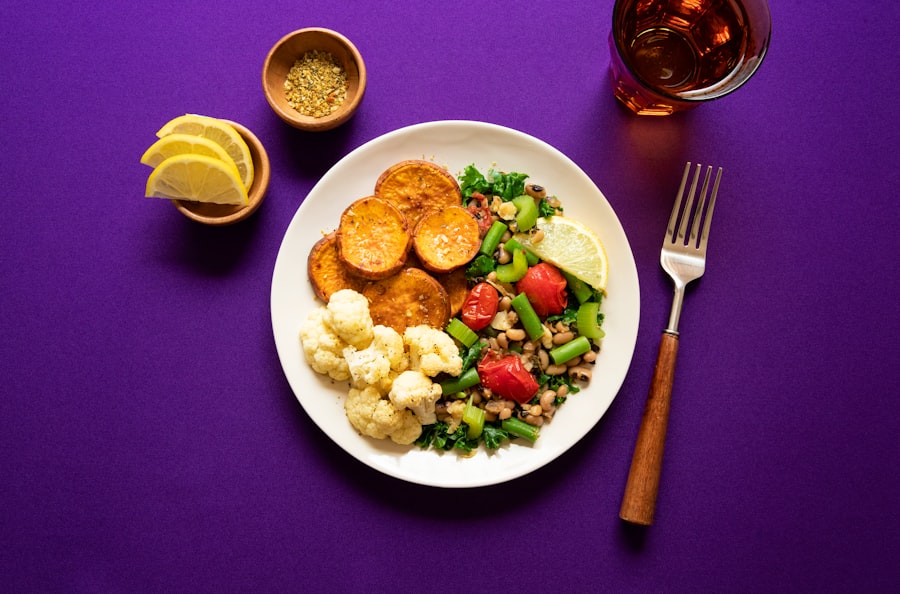
1. Baked salmon with roasted vegetables: Salmon is rich in omega-3 fatty acids, which are beneficial for heart health. Pair it with roasted vegetables such as Brussels sprouts, sweet potatoes, and asparagus for a delicious and low calorie dinner.
2. Turkey chili with beans and vegetables: Turkey chili is a hearty and flavorful dish that can be made with lean ground turkey, beans, and an assortment of vegetables such as onions, bell peppers, and tomatoes. Serve it with a side of brown rice or whole grain bread for a complete meal.
3. Grilled chicken with quinoa and steamed broccoli: Grilled chicken is a versatile protein that can be paired with a variety of sides. Serve it with quinoa, a nutritious whole grain, and steamed broccoli for a balanced and low calorie dinner.
Snack Ideas for Low Calorie Meals
1. Apple slices with almond butter: Apples are a low calorie fruit that is high in fiber, while almond butter provides healthy fats and protein. Dip apple slices into almond butter for a satisfying and nutritious snack.
2. Carrots and hummus: Carrots are a crunchy and low calorie vegetable that is packed with vitamins and minerals. Pair them with hummus, a protein-rich dip, for a nutritious and filling snack.
3. Air-popped popcorn: Popcorn is a whole grain snack that is low in calories and high in fiber. Air-popped popcorn is the healthiest option as it contains no added fats or oils. Season it with herbs and spices for added flavor.
Dessert Ideas for Low Calorie Meals
1. Frozen yogurt with fruit: Frozen yogurt is a healthier alternative to ice cream as it contains less fat and fewer calories. Top it with your favorite fruits such as berries or sliced bananas for added sweetness and nutrients.
2. Dark chocolate covered strawberries: Dark chocolate is rich in antioxidants and lower in sugar compared to milk chocolate. Dip strawberries into melted dark chocolate for a delicious and guilt-free dessert.
3. Baked apples with cinnamon and honey: Baked apples are a warm and comforting dessert that is low in calories. Core an apple, sprinkle it with cinnamon and drizzle it with honey, then bake until tender for a sweet treat.
Low Calorie Meal Planning and Budgeting
1. Plan meals in advance: Planning your meals in advance can help you stay on track with your low calorie eating plan. Take some time each week to plan out your meals and make a shopping list. This will help you avoid impulse purchases and ensure that you have all the ingredients you need.
2. Shop for ingredients in bulk: Buying ingredients in bulk can help you save money in the long run. Look for sales or discounts on items that you use frequently, such as lean proteins, whole grains, and frozen fruits and vegetables. Stock up on these items so that you always have them on hand.
3. Use coupons and sales to save money: Take advantage of coupons and sales to save money on your grocery bill. Look for coupons in newspapers or online, and keep an eye out for sales at your local grocery store. By being mindful of your budget, you can still enjoy low calorie meals without breaking the bank.
Conclusion and Final Thoughts on Low Calorie Meals
In conclusion, low calorie meals are a great way to maintain a healthy lifestyle and reach your weight loss or maintenance goals. By incorporating fresh ingredients, avoiding processed foods, incorporating lean protein, and experimenting with herbs and spices, you can create delicious and satisfying low calorie meals.
Whether it’s breakfast, lunch, dinner, snacks, or desserts, there are plenty of low calorie options to choose from. From Greek yogurt with berries and granola to baked salmon with roasted vegetables, there are endless possibilities for creating nutritious and flavorful meals.
Remember to plan your meals in advance, shop for ingredients in bulk, and use coupons and sales to save money. By being mindful of your budget, you can still enjoy low calorie meals without breaking the bank.
Incorporating low calorie meals into your daily routine can have numerous benefits for your overall health and well-being. Not only can they help with weight loss and reduce the risk of chronic diseases, but they can also improve digestion and increase energy levels.
Listen to your body’s needs and make adjustments as necessary. Everyone’s dietary needs are different, so it’s important to find what works best for you. With a little planning and creativity, you can enjoy delicious and satisfying low calorie meals while maintaining a healthy lifestyle.
Looking for some inspiration for low calorie meals? Check out this article on healthy breakfast ideas to kickstart your day. It’s filled with delicious and nutritious options that will keep you satisfied without packing on the pounds. And if you’re interested in natural remedies for weight management, this article has got you covered. It explores various holistic approaches to maintaining a healthy weight, including lifestyle changes and herbal supplements. Lastly, if you want to learn more about the role of probiotics in digestive health and how they can support your weight loss journey, this informative article is a must-read. So why wait? Start exploring these helpful resources today!