


A daily yoga routine involves setting aside time each day to practice yoga poses, breathing exercises, and meditation. It is a commitment to yourself and your well-being, allowing you to connect with your body, mind, and spirit on a deeper level. Consistency is key in a daily yoga practice, as it allows you to experience the full benefits of yoga and cultivate a sense of discipline and self-care.
Benefits of Incorporating Yoga into Your Daily Life
Incorporating yoga into your daily life can have numerous physical, mental, and spiritual benefits. On a physical level, practicing yoga regularly can increase flexibility, improve strength and balance, and enhance overall body awareness. It can also help alleviate chronic pain and improve posture.
Mentally, yoga has been shown to reduce stress, anxiety, and depression. The combination of movement, breathwork, and mindfulness in yoga helps calm the nervous system and promote relaxation. Regular yoga practice can also improve focus and concentration, allowing you to be more present in your daily life.
Spiritually, yoga can deepen your connection to yourself and the universe. Through the practice of asanas (yoga poses), pranayama (breathing exercises), and meditation, you can cultivate self-awareness, inner peace, and a sense of unity with all beings.
Setting Up Your Space for a Successful Practice
Creating a dedicated space for your yoga practice is essential for a successful daily routine. This space should be quiet, clean, and free from distractions. It can be as simple as a corner of your living room or bedroom or a separate room entirely.
To create a calming and inviting atmosphere, consider adding elements such as candles, incense, or essential oils. Soft lighting and soothing music can also enhance the ambiance of your space. Make sure you have enough room to move freely and that your mat is comfortable and supportive.
Beginner-Friendly Yoga Poses to Start Your Day
| Yoga Pose | Description | Benefits |
|---|---|---|
| Mountain Pose (Tadasana) | Standing pose with feet together and arms at sides | Improves posture, strengthens legs and core, reduces stress |
| Child’s Pose (Balasana) | Kneeling pose with forehead on the ground and arms extended | Relieves tension in back, neck, and shoulders, calms the mind |
| Cat-Cow Pose (Marjaryasana-Bitilasana) | Flowing pose with alternating arching and rounding of the spine | Stretches the spine, improves flexibility, massages internal organs |
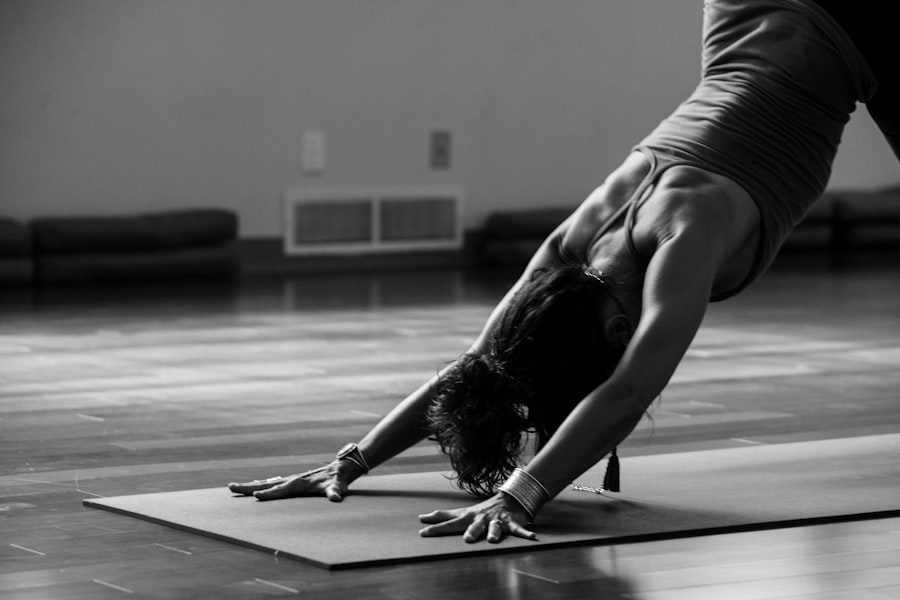
| Downward-Facing Dog (Adho Mukha Svanasana) | Full-body pose with hands and feet on the ground and hips lifted | Strengthens arms and legs, stretches hamstrings and calves, energizes the body |
| Warrior II (Virabhadrasana II) | Standing pose with one leg forward and arms extended | Strengthens legs and core, improves balance, increases focus and concentration |
If you’re new to yoga, starting with beginner-friendly poses is a great way to ease into your daily practice. Some basic poses to incorporate into your routine include:
1. Downward Dog: This pose stretches the entire body, strengthens the arms and legs, and improves circulation.
2. Child’s Pose: A restorative pose that helps release tension in the back, shoulders, and hips. It also promotes relaxation and deep breathing.
3. Mountain Pose: This standing pose helps improve posture, balance, and body awareness. It also promotes grounding and stability.
4. Cat-Cow Pose: This gentle flow between two poses helps warm up the spine, improve flexibility, and release tension in the back and neck.
By incorporating these poses into your daily routine, you can gradually build strength, flexibility, and body awareness.
Intermediate Yoga Poses to Challenge Your Practice
Once you feel comfortable with the beginner poses, you can start incorporating more challenging poses into your daily routine. These poses will help you push yourself out of your comfort zone and deepen your practice. Some intermediate poses to try include:
1. Warrior II: This standing pose strengthens the legs, opens the hips and chest, and improves balance and focus.
2. Tree Pose: A balancing pose that strengthens the legs and core while improving focus and concentration.
3. Bridge Pose: This backbend pose stretches the chest, shoulders, and spine while strengthening the glutes and hamstrings.
4. Plank Pose: A full-body strengthening pose that targets the core, arms, and legs. It also improves stability and posture.
Incorporating these intermediate poses into your daily routine will challenge your body and mind, helping you progress in your yoga practice.
Advanced Yoga Poses for Experienced Yogis
For experienced yogis looking to take their practice to the next level, advanced poses can provide a new level of challenge and growth. However, it is important to approach these poses with caution and proper alignment. Some advanced poses to explore include:
1. Headstand: This inversion pose strengthens the upper body, improves balance, and increases blood flow to the brain. It should only be attempted with proper guidance and preparation.
2. Scorpion Pose: A deep backbend that requires strength, flexibility, and balance. It opens the chest and shoulders while strengthening the core and legs.
3. Crow Pose: An arm balance pose that strengthens the arms, wrists, and core. It also improves focus, concentration, and body awareness.
4. Wheel Pose: This backbend pose stretches the entire front body while strengthening the back, arms, and legs. It also improves flexibility and energizes the body.
Advanced poses should only be attempted under the guidance of an experienced teacher to ensure proper alignment and prevent injury.
Mindfulness and Meditation Techniques to Enhance Your Practice
In addition to yoga poses, incorporating mindfulness and meditation techniques into your daily practice can enhance its benefits. Mindfulness involves being fully present in the moment, observing your thoughts and sensations without judgment. Meditation involves focusing your attention on a specific object or mantra to cultivate a calm and clear mind.
Pranayama, or breathwork, is another powerful technique that can be incorporated into your practice. Deep breathing exercises such as alternate nostril breathing or belly breathing can help calm the nervous system, reduce stress, and increase energy levels.
Visualization is another technique that can enhance your practice. By visualizing yourself in a peaceful and serene environment or imagining yourself achieving your goals, you can create a positive mindset and enhance your overall well-being.
Creating a Consistent Yoga Practice That Works for You
Creating a consistent yoga practice that works for you is essential for reaping the full benefits of yoga. Here are some tips for finding a routine that fits your schedule and lifestyle:
1. Set aside a specific time each day for your practice. Whether it’s early in the morning, during your lunch break, or in the evening, find a time that works best for you and stick to it.
2. Start with shorter sessions and gradually increase the duration as you become more comfortable. Even just 10-15 minutes of yoga each day can make a difference.
3. Be flexible with your practice. If you’re unable to do a full session one day, try to squeeze in a few poses or breathing exercises whenever you can.
4. Find accountability and support. Joining a yoga class or finding a yoga buddy can help keep you motivated and committed to your practice.
5. Be realistic with your goals and expectations. It’s important to listen to your body and not push yourself too hard. Remember that progress takes time, and every day on the mat is an opportunity for growth.
Tips for Staying Motivated and Committed to Your Daily Routine
Staying motivated and committed to your daily yoga routine can sometimes be challenging, but there are strategies you can use to overcome obstacles and stay on track:
1. Set clear intentions for your practice. Remind yourself why you started practicing yoga in the first place and what you hope to achieve through your daily routine.
2. Mix up your routine to keep it interesting and prevent boredom. Try different styles of yoga, explore new poses, or incorporate props such as blocks or straps.
3. Celebrate small victories along the way. Acknowledge and celebrate the progress you’ve made, no matter how small it may seem.
4. Practice self-compassion and forgiveness. If you miss a day or don’t meet your expectations, be kind to yourself and remember that tomorrow is a new day.
5. Find inspiration from others. Read books, watch videos, or follow inspiring yogis on social media to stay motivated and inspired in your practice.
Transforming Your Life Through the Power of Yoga
A consistent yoga practice has the power to transform your life in all areas. Physically, it can improve your overall health and well-being, increase energy levels, and promote a sense of vitality. Mentally, it can reduce stress, anxiety, and depression, and improve focus and concentration. Spiritually, it can deepen your connection to yourself and the universe, leading to a greater sense of purpose and fulfillment.
Many experienced yogis have shared their personal anecdotes and success stories about how yoga has transformed their lives. From overcoming physical injuries to finding inner peace and self-acceptance, the power of yoga is undeniable.
In conclusion, incorporating a daily yoga routine into your life can have numerous benefits for your physical, mental, and spiritual well-being. By setting up a dedicated space, practicing beginner-friendly poses, challenging yourself with intermediate and advanced poses, incorporating mindfulness and meditation techniques, creating a consistent routine that works for you, staying motivated and committed, and embracing the transformative power of yoga, you can experience profound changes in all areas of your life. So roll out your mat, take a deep breath, and embark on this beautiful journey of self-discovery and growth. Namaste.
If you’re looking to enhance your yoga daily routine, you may want to consider incorporating outdoor exercise into your practice. Outdoor exercise has numerous benefits, including improved mood, increased vitamin D levels, and a greater sense of connection with nature. In fact, studies have shown that spending time in nature can reduce stress and anxiety while boosting overall well-being. To learn more about the benefits of outdoor exercise and how it can complement your yoga practice, check out this informative article on The Benefits of Outdoor Exercise.