
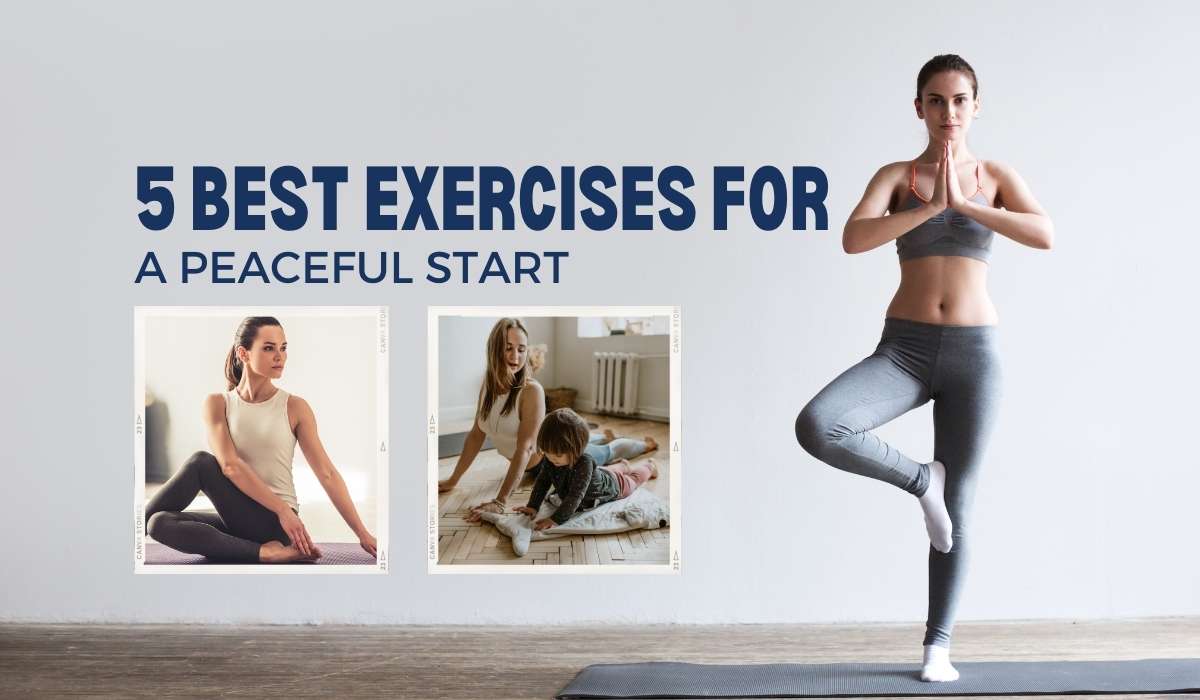

Morning yoga has become increasingly popular in recent years, and for good reason. The benefits of practicing yoga in the morning are numerous and can have a positive impact on both the mind and body. Not only does it help to wake up the body and increase flexibility, but it also sets the tone for the rest of the day, promoting a sense of calm and focus.
When we wake up in the morning, our bodies are often stiff and tight from a night of sleep. Practicing yoga first thing in the morning helps to stretch and awaken the muscles, increasing blood flow and oxygenation throughout the body. This can help to improve flexibility, reduce muscle tension, and increase energy levels.
In addition to the physical benefits, morning yoga also has a positive impact on the mind. Starting the day with a yoga practice can help to calm the mind, reduce stress, and promote mental clarity. It provides an opportunity to set intentions for the day ahead and cultivate a sense of mindfulness.
The Importance of a Peaceful Start to Your Day
Starting the day in a peaceful and calm state is essential for overall well-being. When we begin our day feeling rushed or stressed, it can set a negative tone for the rest of the day. On the other hand, starting the day in a peaceful state can help us to approach challenges with a sense of calm and clarity.
Morning yoga is an excellent way to achieve this peaceful start to your day. By taking time for yourself in the morning to practice yoga, you are prioritizing self-care and setting aside time for relaxation and reflection. This can help to reduce stress levels and promote a sense of inner peace.
In addition, practicing yoga in the morning helps to cultivate mindfulness and present moment awareness. By focusing on your breath and body during your practice, you are training your mind to be fully present in the moment. This can help to reduce anxiety and increase feelings of calm and contentment.
Five Best Yoga Exercises for a Morning Routine
When it comes to creating a morning yoga routine, there are several exercises that are particularly beneficial for the mind and body. These exercises help to wake up the body, increase flexibility, and promote a sense of calm and focus. Here are five of the best yoga exercises to include in your morning routine:
1. Sun Salutation: The Sun Salutation is a dynamic sequence of poses that helps to warm up the body and increase flexibility. It involves flowing through a series of poses, including forward folds, lunges, and downward dog. The Sun Salutation is a great way to energize the body and prepare for the day ahead.
2. Downward Dog: Downward Dog is a foundational yoga pose that stretches and strengthens the entire body. It helps to lengthen the spine, open up the shoulders, and stretch the hamstrings. Downward Dog also helps to calm the mind and relieve stress.
3. Warrior Pose: Warrior Pose is a powerful standing pose that builds strength, stability, and confidence. It helps to open up the hips, stretch the legs, and strengthen the core. Warrior Pose also promotes focus and concentration.
4. Tree Pose: Tree Pose is a balancing pose that helps to improve balance, stability, and focus. It involves standing on one leg with the other foot placed on the inner thigh or calf. Tree Pose also helps to open up the hips and stretch the legs.
5. Child’s Pose: Child’s Pose is a resting pose that promotes relaxation and stress relief. It involves kneeling on the floor with the forehead resting on the mat and the arms extended in front of you. Child’s Pose helps to release tension in the back, shoulders, and neck.
Sun Salutation: The Ultimate Morning Yoga Sequence
| Metrics | Description |
|---|---|
| Calories Burned | An average person can burn around 150-200 calories in a 30-minute session of Sun Salutation. |
| Flexibility | Sun Salutation helps in improving flexibility by stretching and strengthening the muscles of the body. |
| Stress Reduction | Practicing Sun Salutation regularly can help in reducing stress and anxiety levels. |
| Cardiovascular Health | Sun Salutation can help in improving cardiovascular health by increasing heart rate and blood circulation. |
| Muscle Strength | Regular practice of Sun Salutation can help in building muscle strength and endurance. |
The Sun Salutation is often considered the ultimate morning yoga sequence. It is a dynamic and energizing sequence of poses that helps to wake up the body and increase flexibility. The Sun Salutation involves flowing through a series of poses, including forward folds, lunges, and downward dog.
The Sun Salutation is a great way to start your day because it helps to warm up the body and increase blood flow and oxygenation. It also helps to stretch and strengthen the muscles, improve flexibility, and increase energy levels.
To practice the Sun Salutation, begin by standing at the front of your mat with your feet hip-width apart. Inhale as you reach your arms overhead, then exhale as you fold forward, bringing your hands to the mat. Inhale as you step your right foot back into a lunge, then exhale as you step your left foot back into downward dog. Hold downward dog for a few breaths, then inhale as you shift forward into plank pose. Exhale as you lower down into chaturanga, then inhale as you lift into upward dog or cobra pose. Exhale as you lift your hips up and back into downward dog. From here, step or hop your feet forward between your hands, then inhale as you come up to standing and reach your arms overhead. Exhale as you bring your hands back to your heart center.
Downward Dog: Stretching and Strengthening Your Body
Downward Dog is a foundational yoga pose that stretches and strengthens the entire body. It helps to lengthen the spine, open up the shoulders, and stretch the hamstrings. Downward Dog also helps to calm the mind and relieve stress.
To practice Downward Dog, begin on your hands and knees with your wrists directly under your shoulders and your knees directly under your hips. Spread your fingers wide and press into your palms as you lift your hips up towards the ceiling. Keep your knees slightly bent and your heels lifted off the mat. Lengthen your spine and draw your shoulder blades down your back. Press your chest towards your thighs and relax your head and neck. Hold the pose for several breaths, then release back down to the mat.
Proper alignment is important in Downward Dog to avoid strain or injury. Make sure to keep your hands shoulder-width apart and your feet hip-width apart. Keep a slight bend in your knees if you have tight hamstrings. If you have wrist pain, you can try using blocks or folding your mat to provide extra support for your wrists.
Warrior Pose: Building Confidence and Focus
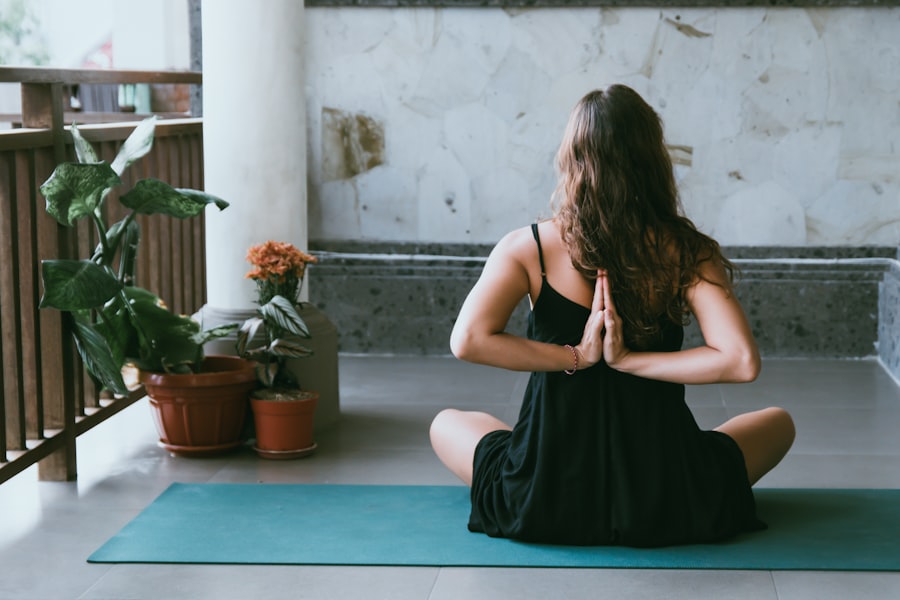
Warrior Pose is a powerful standing pose that builds strength, stability, and confidence. It helps to open up the hips, stretch the legs, and strengthen the core. Warrior Pose also promotes focus and concentration.
To practice Warrior Pose, begin by standing at the front of your mat with your feet hip-width apart. Step your left foot back about 3-4 feet and turn it out at a 45-degree angle. Bend your right knee and sink down into a lunge, making sure that your knee is directly over your ankle. Reach your arms out to the sides and gaze over your right fingertips. Hold the pose for several breaths, then repeat on the other side.
Proper alignment is important in Warrior Pose to avoid strain or injury. Make sure to keep your front knee directly over your ankle and track it in line with your second toe. Keep your back leg straight and engage the muscles of the thigh. Square your hips towards the front of the mat and draw your navel in towards your spine to engage the core.
Tree Pose: Finding Balance and Stability
Tree Pose is a balancing pose that helps to improve balance, stability, and focus. It involves standing on one leg with the other foot placed on the inner thigh or calf. Tree Pose also helps to open up the hips and stretch the legs.
To practice Tree Pose, begin by standing at the front of your mat with your feet hip-width apart. Shift your weight onto your left foot and lift your right foot off the mat. Place the sole of your right foot on the inner thigh or calf of your left leg, avoiding placing it on the knee joint. Bring your hands to your heart center and find a focal point to gaze at. Hold the pose for several breaths, then repeat on the other side.
Proper alignment is important in Tree Pose to avoid strain or injury. Make sure to keep your standing leg strong and engaged. Press your foot into your inner thigh or calf and avoid placing it on the knee joint. Keep your hips level and square towards the front of the mat. Lengthen through the crown of your head and draw your navel in towards your spine to engage the core.
Child’s Pose: Relaxation and Stress Relief
Child’s Pose is a resting pose that promotes relaxation and stress relief. It involves kneeling on the floor with the forehead resting on the mat and the arms extended in front of you. Child’s Pose helps to release tension in the back, shoulders, and neck.
To practice Child’s Pose, begin by kneeling on the floor with your knees hip-width apart and your big toes touching. Sit back on your heels and separate your knees slightly wider than hip-width apart. Fold forward from the hips and rest your forehead on the mat. Extend your arms in front of you or place them alongside your body with your palms facing up. Relax into the pose and take several deep breaths.
Proper alignment is important in Child’s Pose to avoid strain or discomfort. Make sure to keep your knees hip-width apart and avoid letting them splay out to the sides. If you have tight hips or knees, you can place a bolster or folded blanket between your thighs and calves for support. If you have tight shoulders or neck, you can place a block or folded blanket under your forehead for support.
Breathing Techniques for a Calm and Centered Mind
In addition to the physical poses, incorporating breathing techniques into your morning yoga routine can help to promote a calm and centered mind. Breathing techniques, or pranayama, are an integral part of yoga and can have a profound impact on the mind and body.
One simple breathing technique to incorporate into your morning yoga routine is deep belly breathing. This involves taking slow, deep breaths into the belly, allowing it to rise and fall with each breath. Deep belly breathing helps to activate the parasympathetic nervous system, which promotes relaxation and reduces stress.
Another effective breathing technique is alternate nostril breathing. This involves using the thumb and ring finger of the right hand to alternately close off one nostril while breathing in and out through the other nostril. Alternate nostril breathing helps to balance the left and right hemispheres of the brain, promoting mental clarity and focus.
Finally, incorporating a short meditation into your morning yoga routine can help to calm the mind and set a positive tone for the day. Simply find a comfortable seated position, close your eyes, and focus on your breath. Allow any thoughts or distractions to come and go without judgment, returning your attention to your breath whenever you notice your mind wandering.
Incorporating Morning Yoga into Your Daily Routine
Incorporating morning yoga into your daily routine can have numerous benefits for both the mind and body. It helps to wake up the body, increase flexibility, and promote a sense of calm and focus. By starting your day with a peaceful and mindful practice, you are setting a positive tone for the rest of the day.
To incorporate morning yoga into your daily routine, start by setting aside a specific time and space for your practice. This could be as little as 10 minutes or as long as an hour, depending on your schedule and preferences. Find a quiet and comfortable space where you can practice without distractions.
Next, choose a few yoga exercises and breathing techniques that resonate with you and that you enjoy. It’s important to find a routine that feels good in your body and that you look forward to practicing each morning. You can start with just a few poses and gradually add more as you become more comfortable.
Finally, commit to practicing morning yoga for at least a week to experience the benefits firsthand. Notice how it affects your energy levels, mood, and overall well-being throughout the day. Pay attention to any changes in your flexibility, strength, or mental clarity. And most importantly, enjoy the process and have fun with your morning yoga routine!
Looking to start your day with a boost of energy and mental clarity? Look no further than morning yoga exercises. Not only does yoga help improve flexibility and strength, but it also has numerous benefits for the mind. In fact, studies have shown that practicing yoga in the morning can enhance focus, reduce stress, and promote overall well-being. If you’re interested in incorporating yoga into your morning routine, check out this article on effective natural remedies you can make at home. It provides helpful tips and guidance on how to get started with morning yoga and reap its many rewards.