


Maintaining a balanced diet is crucial for overall health and wellness. A balanced diet provides the body with the necessary nutrients, vitamins, and minerals it needs to function optimally. In this blog post, we will explore the concept of a balanced diet and its importance in promoting a healthy lifestyle. We will also discuss the use of perplexity and burstiness in this article, which are techniques used to engage readers and keep them interested.
The Importance of a Balanced Diet for a Healthy Lifestyle
A balanced diet refers to consuming a variety of foods from different food groups in the right proportions. It is important because it provides the body with the necessary nutrients to support growth, repair, and overall well-being. A balanced diet includes carbohydrates, proteins, fats, vitamins, minerals, and water.
One of the benefits of a balanced diet is improved energy levels. When we consume a variety of foods from different food groups, our bodies receive a steady supply of energy throughout the day. This helps us stay alert and focused, and prevents energy crashes that can lead to fatigue and decreased productivity.
Another benefit of a balanced diet is better digestion. Consuming a variety of fruits, vegetables, whole grains, and lean proteins helps promote healthy digestion by providing fiber and essential nutrients. Fiber helps regulate bowel movements and prevents constipation, while nutrients support the growth and maintenance of a healthy gut microbiome.
A balanced diet also reduces the risk of chronic diseases such as heart disease, diabetes, and certain types of cancer. By consuming a variety of nutrient-dense foods, we provide our bodies with the necessary antioxidants, vitamins, and minerals that help protect against oxidative stress and inflammation, which are underlying factors in many chronic diseases.
Understanding the Basics of Nutrition for Optimal Health
To understand the importance of a balanced diet, it is essential to understand the basics of nutrition. Nutrition is the science that studies how food nourishes the body and affects health. There are two main categories of nutrients: macronutrients and micronutrients.
Macronutrients are nutrients that the body needs in large amounts to provide energy. They include carbohydrates, proteins, and fats. Carbohydrates are the body’s primary source of energy and can be found in foods such as grains, fruits, and vegetables. Proteins are essential for growth, repair, and maintenance of body tissues, and can be found in foods such as meat, fish, beans, and nuts. Fats are important for insulation, protection of organs, and absorption of fat-soluble vitamins, and can be found in foods such as avocados, nuts, and oils.
Micronutrients are nutrients that the body needs in smaller amounts but are still essential for proper functioning. They include vitamins and minerals. Vitamins are organic compounds that help regulate bodily processes and can be found in foods such as fruits, vegetables, and dairy products. Minerals are inorganic compounds that help maintain proper fluid balance, nerve function, and bone health, and can be found in foods such as meat, dairy products, and leafy greens.
To ensure adequate intake of macronutrients and micronutrients, it is important to consume a variety of foods from different food groups. This helps ensure that we get all the necessary nutrients our bodies need to function optimally.
Incorporating More Fruits and Vegetables into Your Diet
| Benefits of Incorporating More Fruits and Vegetables into Your Diet | Recommended Daily Intake | Examples of Fruits and Vegetables |
|---|---|---|
| Provides essential vitamins and minerals | 5 servings (2 fruits, 3 vegetables) | Apples, bananas, carrots, spinach, broccoli, tomatoes |
| Reduces risk of chronic diseases | 7-10 servings (3-4 fruits, 4-6 vegetables) | Oranges, strawberries, kale, bell peppers, sweet potatoes, green beans |
| Improves digestion and bowel function | Varies based on individual needs | Blueberries, raspberries, cucumbers, zucchini, cauliflower, asparagus |
| Helps maintain a healthy weight | Varies based on individual needs | Grapefruit, pears, celery, eggplant, Brussels sprouts, cabbage |
Fruits and vegetables are an essential part of a balanced diet due to their high nutrient content and fiber. They are rich in vitamins, minerals, antioxidants, and phytochemicals that help protect against chronic diseases.
One way to incorporate more fruits and vegetables into your diet is by adding them to meals and snacks. For example, you can add sliced bananas or berries to your morning cereal or yogurt. You can also include a side salad or steamed vegetables with your lunch or dinner. Another option is to blend fruits and vegetables into smoothies or make homemade soups and stews with plenty of vegetables.
It is also important to choose a variety of fruits and vegetables to ensure you get a wide range of nutrients. Different fruits and vegetables have different nutrient profiles, so by consuming a variety, you can maximize your nutrient intake.
Choosing Healthy Fats and Proteins for a Balanced Diet
Fats and proteins are important macronutrients that play crucial roles in the body. However, not all fats and proteins are created equal. It is important to choose healthy sources of fats and proteins to support overall health.
When it comes to fats, it is important to choose unsaturated fats over saturated fats. Unsaturated fats, such as those found in avocados, nuts, and olive oil, can help improve heart health by reducing LDL cholesterol levels. Saturated fats, on the other hand, can increase LDL cholesterol levels and increase the risk of heart disease. Saturated fats are found in foods such as fatty meats, full-fat dairy products, and tropical oils.
When it comes to proteins, it is important to choose lean sources such as poultry, fish, beans, and tofu. These sources of protein are lower in saturated fat compared to fatty meats like beef and pork. They also provide additional nutrients such as iron, zinc, and B vitamins.
The Role of Whole Grains in a Healthy Diet
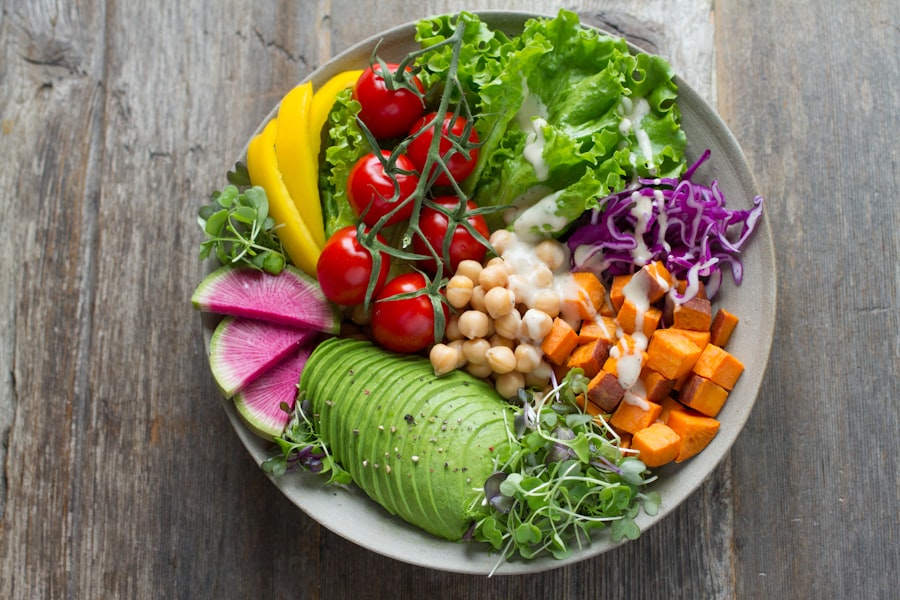
Whole grains are an important part of a balanced diet due to their high fiber content and nutrient profile. Unlike refined grains, which have had the bran and germ removed, whole grains contain all parts of the grain kernel, including the bran, germ, and endosperm.
The bran is the outer layer of the grain that contains fiber, B vitamins, antioxidants, and minerals. The germ is the innermost part of the grain that contains healthy fats, vitamin E, and B vitamins. The endosperm is the middle layer of the grain that contains carbohydrates and protein.
By consuming whole grains, we can benefit from their high fiber content, which helps regulate blood sugar levels, promote healthy digestion, and reduce the risk of chronic diseases such as heart disease and type 2 diabetes. Whole grains also provide essential nutrients such as iron, magnesium, and B vitamins.
To incorporate more whole grains into your diet, you can choose whole grain bread, pasta, and rice instead of their refined counterparts. You can also try experimenting with different types of whole grains such as quinoa, barley, and bulgur.
Limiting Processed Foods and Added Sugars for Better Health
Processed foods and added sugars are two things that should be limited in a balanced diet. Processed foods are often high in unhealthy fats, sodium, and added sugars. They are also low in nutrients compared to whole foods.
Consuming too much processed food can lead to weight gain, increased risk of chronic diseases, and poor overall health. It is important to read food labels and choose minimally processed foods whenever possible. This includes opting for fresh fruits and vegetables instead of canned or frozen ones that may contain added sugars or sodium.
Added sugars are another thing to watch out for when trying to maintain a balanced diet. Added sugars are sugars that are added to foods during processing or preparation. They provide empty calories and can contribute to weight gain, tooth decay, and chronic diseases such as type 2 diabetes.
To reduce intake of added sugars, it is important to read food labels and choose foods that are low in added sugars. It is also helpful to limit sugary beverages such as soda, fruit juices, and sweetened teas. Instead, opt for water or unsweetened beverages.
Hydrating with Water and Other Healthy Beverages
Hydration is an important aspect of a balanced diet and overall health. Water is essential for many bodily functions, including digestion, nutrient absorption, temperature regulation, and waste removal. It is important to drink enough water throughout the day to stay properly hydrated.
In addition to water, there are other healthy beverage options that can be incorporated into a balanced diet. Herbal teas, such as chamomile or peppermint tea, can provide hydration and additional health benefits. They are also a great alternative to sugary beverages.
Low-sugar juices can also be included in a balanced diet, but it is important to consume them in moderation due to their high sugar content. It is best to choose juices that are 100% fruit juice and limit intake to small portions.
Tips for Meal Planning and Preparation for a Healthy Diet
Meal planning and preparation can be helpful tools for maintaining a balanced diet. By planning meals ahead of time and preparing them in advance, you can ensure that you have healthy options available and reduce the temptation to reach for unhealthy convenience foods.
One tip for meal planning is to create a weekly meal plan. This involves deciding what meals you will have for breakfast, lunch, dinner, and snacks for the week ahead. You can then create a shopping list based on your meal plan and purchase the necessary ingredients.
Another tip is to prepare meals in advance. This can involve batch cooking on the weekends and portioning out meals into individual containers for the week ahead. This way, you have healthy meals ready to go and can avoid the temptation of ordering takeout or reaching for unhealthy convenience foods.
Mindful Eating: Strategies for Enjoying Food and Improving Digestion
Mindful eating is a practice that involves paying attention to the present moment while eating, without judgment or distraction. It can help improve digestion, reduce overeating, and promote a healthier relationship with food.
One strategy for practicing mindful eating is to eat slowly and savor each bite. Take the time to chew your food thoroughly and pay attention to the flavors, textures, and smells. This can help you feel more satisfied and prevent overeating.
Another strategy is to eat without distractions. Avoid eating in front of the TV or while scrolling through your phone. Instead, create a calm and peaceful environment where you can focus on your meal and enjoy the experience.
Practicing gratitude before meals can also help promote mindful eating. Take a moment to express gratitude for the food on your plate and the nourishment it provides. This can help shift your mindset from mindless eating to a more mindful and appreciative approach.
Staying on Track: Maintaining a Healthy Diet for Long-Term Wellness
Maintaining a healthy diet for long-term wellness requires consistency and motivation. It is important to stay on track even when faced with challenges or setbacks.
One way to stay motivated is to set realistic goals. Instead of aiming for perfection, focus on making small, sustainable changes that you can maintain in the long run. Celebrate your successes along the way and don’t be too hard on yourself if you slip up occasionally.
Another way to stay on track is to find support. Surround yourself with like-minded individuals who are also striving for a healthy lifestyle. This can be friends, family members, or online communities that share similar goals and values.
It is also important to be prepared for obstacles and have strategies in place to overcome them. For example, if you know that you tend to reach for unhealthy snacks when stressed, find alternative ways to cope with stress such as going for a walk or practicing deep breathing exercises.
In conclusion, maintaining a balanced diet is essential for overall health and wellness. It provides the body with the necessary nutrients, vitamins, and minerals it needs to function optimally. By incorporating more fruits and vegetables, choosing healthy fats and proteins, incorporating whole grains, limiting processed foods and added sugars, hydrating with water and other healthy beverages, practicing mindful eating, and staying consistent with meal planning and preparation, you can maintain a healthy diet for long-term wellness. Remember to make small changes and celebrate your successes along the way.
If you’re looking for advice on maintaining a healthy diet, you might also be interested in learning about the importance of stretching. Stretching is not only beneficial for improving flexibility and preventing injuries, but it can also enhance your overall well-being. In a related article, “The Importance of Stretching,” you can discover the various benefits of incorporating stretching into your daily routine. From reducing muscle tension to improving posture, this article provides valuable insights and practical tips for incorporating stretching exercises into your lifestyle. Check it out here!