


Introduction
Benefits of Gut-Healing Juices for Supporting Your Microbiome Naturally
Juicing has gained popularity in recent years as a way to improve overall health and well-being. Specifically, certain juice recipes can be beneficial for gut health and reducing gut inflammation. By incorporating these juices into your diet, you can support your microbiome naturally and promote a healthy digestive system.
How Juices help in Gut Healing
1. **Rich in nutrients**: Juices made from fruits and vegetables are packed with vitamins, minerals, and antioxidants that are essential for gut health. These nutrients can help strengthen the gut lining, support a diverse gut microbiome, and reduce inflammation in the digestive tract.
2. **Easy digestion**: One of the benefits of juicing is that it provides a readily-absorbed source of nutrients. The process of juicing breaks down the fruits and vegetables, making them easier for the body to digest and absorb. This can be particularly helpful for individuals with digestive issues or compromised gut function.
3. **Hydration**: Proper hydration is crucial for maintaining a healthy gut. Juicing can help replenish fluids in the body and support optimal digestion. Drinking fresh juices can also be a great way to stay hydrated, especially for those who struggle with drinking enough plain water.
4. **Anti-inflammatory properties**: Many fruits and vegetables used in juicing recipes have anti-inflammatory properties. Chronic inflammation in the gut can lead to various digestive disorders and contribute to gut dysbiosis. Consuming juices rich in anti-inflammatory compounds can help reduce inflammation and promote gut healing.
5. **Prebiotic and probiotic support**: Some fruits and vegetables used in juicing, such as apples, carrots, and leafy greens, contain prebiotic fibers that act as food for beneficial gut bacteria. Additionally, certain juices can be fermented to introduce probiotics, such as lactobacillus, into the gut. These prebiotics and probiotics can help nourish and balance the gut microbiome.
List of Popular Juicing Ingredients for Gut Health and Inflammation
Here are some common juicing ingredients that contain the vitamins, minerals, and antioxidants beneficial for gut health and reducing inflammation:
| Ingredients | Vitamins/Minerals/Antioxidants |
|---|---|
| Kale | Vitamin K, Vitamin C, beta-carotene, quercetin |
| Spinach | Vitamin A, Vitamin C, folate, iron |
| Cucumber | Vitamin K, Vitamin C, antioxidants |
| Ginger | Gingerol, anti-inflammatory compounds |
| Turmeric | Curcumin, anti-inflammatory compounds |
| Beets | Folate, betaine, nitric oxide, antioxidants |
| Apples | Fiber, quercetin, antioxidants |
Incorporating these ingredients into your juicing recipes can provide a range of benefits for your gut health and reducing inflammation. Remember to choose organic, fresh ingredients whenever possible to maximize their nutritional value.
Overall, juicing can be a valuable addition to your gut health journey. It provides a convenient and delicious way to consume a variety of nutrients that support a healthy gut and reduce gut inflammation. Experiment with different juice recipes and find what works best for you and your specific health needs.
The Power of Green Juice
The Role of Antioxidants and Polyphenols in Gut Healing
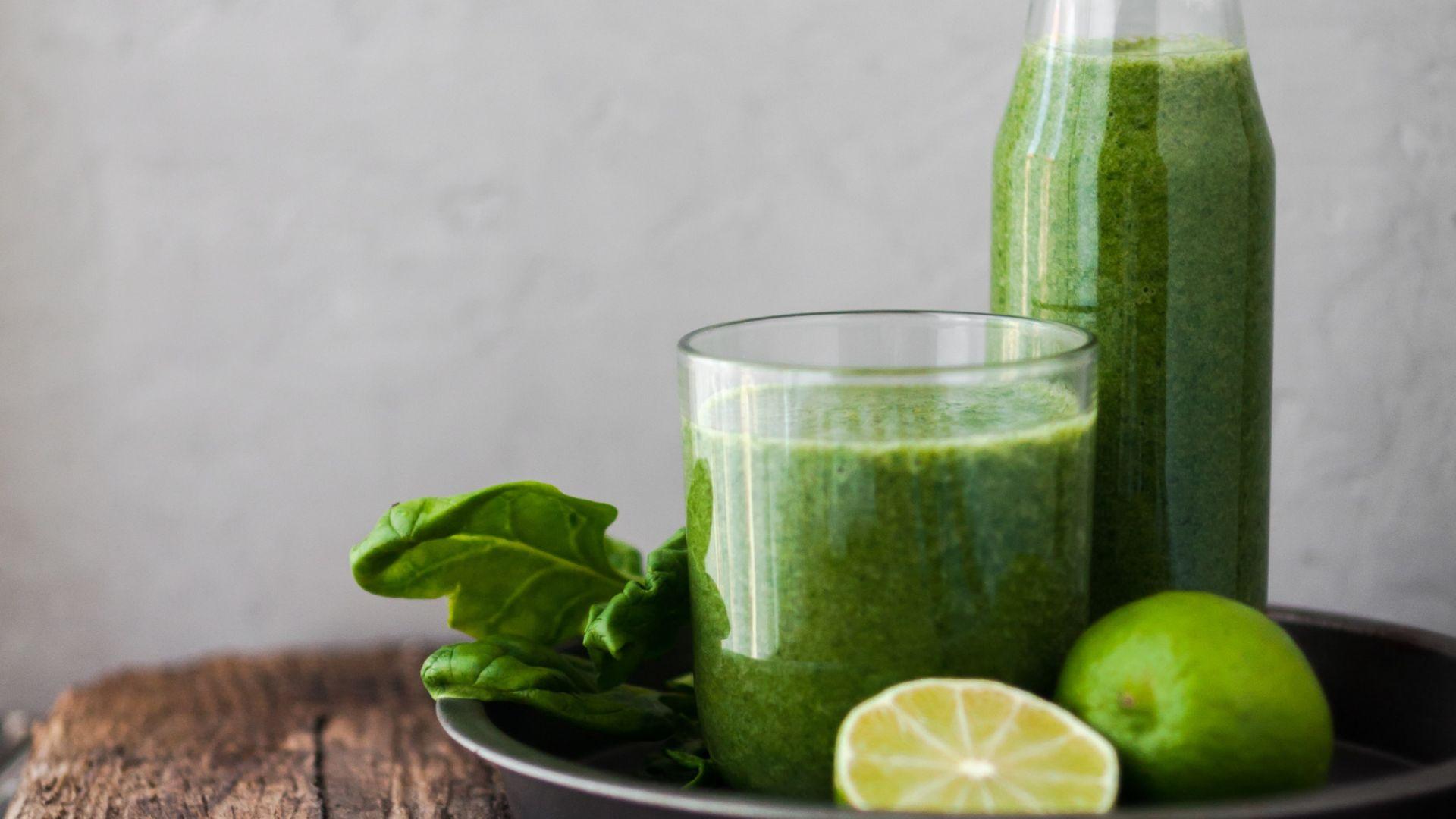
Green juice has gained popularity for its numerous health benefits, especially when it comes to gut health. Green vegetables are rich in antioxidants and polyphenols, which are compounds that help protect the cells in our bodies from damage caused by harmful free radicals. When it comes to gut healing, these compounds play a crucial role.
Antioxidants and polyphenols help reduce inflammation in the gut by neutralizing free radicals and reducing oxidative stress. This can help reduce gut inflammation and promote healing. Green juice is a convenient way to get a concentrated dose of these beneficial compounds as it is made from a variety of green vegetables such as kale, spinach, and broccoli.
Green Juice and Leaky Gut
Leaky gut syndrome, also known as increased intestinal permeability, is a condition where the lining of the intestinal wall becomes damaged, leading to the leakage of toxins, microbes, and undigested food particles into the bloodstream. This can cause inflammation and contribute to various health problems.
Green juice can help support gut health and reduce the risk of leaky gut. It provides a variety of vitamins, minerals, and fiber that can nourish the gut lining and support its integrity. The high concentration of antioxidants and polyphenols in green juice also helps reduce inflammation, which is essential for healing the gut and preventing further damage.
By incorporating green juice into your diet, you can support your gut health and reduce gut inflammation. It is important to note that green juice should be consumed as part of a balanced diet and not as a replacement for whole fruits and vegetables. It is also advisable to consult with a healthcare professional or nutritionist before making any significant changes to your diet.
In conclusion, green juice is a powerful tool for improving gut health and reducing gut inflammation. It provides a concentrated dose of antioxidants and polyphenols that help protect the cells in our bodies and promote healing. By incorporating green juice into your diet, along with a balanced and nutritious eating plan, you can support your gut health and overall well-being.
Citrus Sensations: Orange Juice
Vitamin C and Potassium in Oranges
Oranges are well-known for their high vitamin C content. Vitamin C is an essential nutrient that plays a key role in maintaining a healthy immune system and supporting the growth and repair of tissues in the body. It is also a powerful antioxidant that helps protect the cells from damage.
In addition to vitamin C, oranges are also a good source of potassium. Potassium is an important mineral that helps regulate fluid balance, nerve function, and muscle contractions. It is essential for maintaining proper gut function and overall health.
Orange Juice for Gut Health
Drinking orange juice can be beneficial for gut health due to its vitamin C and potassium content. Vitamin C helps support the immune system, which is closely linked to gut health. A strong immune system can help protect the gut from harmful bacteria and infections.
The potassium in orange juice also plays a role in promoting gut health. It helps regulate digestion and can prevent issues such as constipation. Adequate potassium intake can help maintain a healthy balance of fluids and electrolytes in the gut, which is essential for proper digestion.
However, it is important to note that commercially available orange juice may contain added sugars and preservatives. These additives can have negative effects on gut health and overall well-being. It is best to choose freshly squeezed orange juice or make your own at home to ensure you are getting the maximum benefits.
In conclusion, orange juice can be a tasty and nutritious addition to your gut healing plan. Its high vitamin C and potassium content can support immune function and promote proper digestion. Just be mindful of the quality of orange juice you consume to avoid any unwanted additives that could potentially harm your gut health.
Healing Ginger Juice
The Natural Anti-inflammatory Properties of Ginger
Ginger is a powerful ingredient that can be added to your juice to promote gut healing. It contains natural anti-inflammatory compounds that can help reduce inflammation in the gut. Inflammation in the gut can be caused by various factors, including poor diet, stress, and certain medications. By incorporating ginger juice into your diet, you can help reduce gut inflammation and promote healing.
Ginger Juice for Soothing the Stomach Lining
Ginger has long been used as a natural remedy for soothing the stomach and reducing digestive discomfort. It can help calm an upset stomach and ease symptoms such as nausea and bloating. Ginger juice can be particularly beneficial for individuals with conditions such as acid reflux or gastritis, as it helps to soothe the stomach lining.
Adding ginger juice to your daily routine can provide these gut-healing benefits and more. It is important to note that ginger juice should be consumed in moderation and as part of a balanced diet. Consult with a healthcare professional or nutritionist before making any significant changes to your diet.
Popular Juicing Ingredients for Gut Health
In addition to ginger, there are other popular juicing ingredients that can help improve gut health and reduce gut inflammation. These ingredients are rich in vitamins, minerals, and antioxidants that support the health of the gut. Some of these ingredients include:
– Aloe vera: Aloe vera juice can help soothe the digestive system and reduce inflammation in the gut.
– Apple cider vinegar: Apple cider vinegar contains beneficial enzymes and acids that can help improve digestion and support gut health.
– Leafy greens: Leafy greens such as kale, spinach, and celery are packed with nutrients and fiber that promote gut health.
– Berries: Berries like blueberries, raspberries, and strawberries are rich in antioxidants that help protect the gut from damage caused by free radicals.
– Turmeric: Turmeric contains a compound called curcumin, which has anti-inflammatory properties and can help reduce gut inflammation.
By incorporating these ingredients into your juicing routine, you can provide your gut with the necessary nutrients and compounds for healing and maintaining optimal gut health.
In summary, ginger juice is a powerful ingredient that can be added to your juice to promote gut healing and soothe the stomach lining. Along with other gut-healing ingredients such as aloe vera, apple cider vinegar, leafy greens, berries, and turmeric, ginger juice can help reduce gut inflammation and support overall gut health. Remember to incorporate these ingredients into a balanced diet and consult with a healthcare professional or nutritionist for personalized advice.**Aloe Vera Elixir**
**The Healing Properties of Aloe Vera for Digestion**
Aloe vera is a natural ingredient that can be incorporated into your juice to promote healing and support a healthy digestive system. It contains healing compounds such as vitamins, minerals, and enzymes that can benefit the gut. Aloe vera has been used for centuries to improve digestion and soothe various digestive issues.
**Aloe Vera Juice for Gut Health**
Aloe vera juice can help support gut health in several ways:
1. Soothes the Digestive System: Aloe vera has a soothing effect on the digestive system, helping to calm irritation and inflammation. It can be particularly beneficial for individuals with conditions such as irritable bowel syndrome (IBS) or inflammatory bowel disease (IBD).
2. Supports Gut Healing: Aloe vera contains compounds that can promote gut healing. It can help repair and regenerate damaged cells in the gastrointestinal tract, aiding in the healing process.
3. Improves Digestion: Aloe vera juice can improve digestion by promoting the production of digestive enzymes. These enzymes help break down food more effectively and can reduce symptoms such as bloating and indigestion.
4. Boosts Immune Function: Aloe vera is known for its immune-boosting properties. A healthy immune system is crucial for maintaining gut health, as it helps to fight off harmful bacteria and pathogens.
Incorporating aloe vera juice into your daily routine can provide these gut-healing benefits and help support a healthy digestive system. It is important to note that aloe vera juice should be consumed in moderation and as part of a balanced diet. Consult with a healthcare professional or nutritionist for personalized advice.
**Other Gut-Healing Ingredients**
In addition to aloe vera, there are other popular juicing ingredients that can support gut health and reduce inflammation. These ingredients are packed with nutrients and compounds that promote a healthy gut:
– Apple Cider Vinegar: Like aloe vera, apple cider vinegar contains enzymes that can aid digestion and support gut health.
– Leafy Greens: Leafy greens such as kale, spinach, and celery are rich in fiber and nutrients that promote a healthy gut.
– Berries: Berries are packed with antioxidants that protect the gut from damage caused by free radicals.
– Ginger: Ginger has natural anti-inflammatory properties and can help reduce inflammation in the gut.
– Turmeric: Turmeric contains curcumin, a compound with anti-inflammatory properties that can benefit gut health.
By incorporating these gut-healing ingredients into your juicing routine, you can provide your gut with the necessary nutrients and compounds for healing and maintaining optimal health.
In conclusion, aloe vera juice is a powerful ingredient that can support gut healing and improve digestion. Along with other gut-healing ingredients such as apple cider vinegar, leafy greens, berries, ginger, and turmeric, aloe vera juice can help reduce inflammation and support overall gut health. Remember to incorporate these ingredients into a balanced diet and consult with a healthcare professional or nutritionist for personalized advice.
Apple Cider Vinegar Tonic
The Role of Apple Cider Vinegar in Balancing Gut pH
Apple cider vinegar is a popular ingredient that can be incorporated into your juice to promote gut health. One of its key benefits is its ability to balance the pH of the gut. Maintaining a balanced pH is important for proper digestion and optimal gut health. Apple cider vinegar is acidic in nature but has an alkalizing effect on the body, which helps restore the pH balance in the gut.
Apple Cider Vinegar for Promoting Gut Health
In addition to balancing gut pH, apple cider vinegar also offers other benefits for gut health. It contains beneficial enzymes and acids that support digestion and improve nutrient absorption. These enzymes and acids help break down food more efficiently, reducing the risk of digestive issues such as bloating and indigestion.
Furthermore, apple cider vinegar has been shown to have antimicrobial properties, which can help reduce harmful bacteria in the gut. This can contribute to a healthier gut microbiome, which is essential for overall gut health.
When incorporating apple cider vinegar into your juice, it is important to note that it should be consumed in moderation. Start with a small amount and gradually increase it to assess your tolerance. It is also recommended to dilute apple cider vinegar with water or mix it with other juice ingredients to minimize its acidity.
Popular Juicing Ingredients for Gut Health
Apart from apple cider vinegar, there are other popular juicing ingredients that can promote gut health and reduce inflammation. These ingredients are rich in essential nutrients and antioxidants that support the health of the gut. Some examples include:
– Aloe vera: Aloe vera juice can help soothe the digestive system and reduce inflammation in the gut.
– Ginger: Ginger has natural anti-inflammatory properties and can help reduce gut inflammation.
– Leafy greens: Kale, spinach, and celery are packed with fiber and nutrients that promote a healthy gut.
– Berries: Blueberries, raspberries, and strawberries are rich in antioxidants that protect the gut from damage.
– Turmeric: Curcumin, the active compound in turmeric, has anti-inflammatory effects and can help reduce gut inflammation.
By incorporating these ingredients into your juicing routine, you can provide your gut with the necessary nutrients and compounds to support optimal gut health.
In summary, apple cider vinegar is a powerful ingredient that can be added to your juice to balance gut pH and promote gut health. Alongside other gut-healing ingredients such as aloe vera, ginger, leafy greens, berries, and turmeric, apple cider vinegar can help reduce inflammation and support a healthy gut. Remember to consume apple cider vinegar in moderation, dilute it, and consult with a healthcare professional or nutritionist for personalized advice.
Alkalising Alfalfa Juice
Alfalfa Juice for Alkalizing the Gut
Alfalfa juice is a great addition to your juicing routine to alkalize the gut. The alkalizing properties of alfalfa can help balance the pH levels in the gut, creating an environment that is conducive to optimal digestion and gut health.
Alfalfa is rich in chlorophyll, a pigment that gives plants their green color. Chlorophyll has been shown to have antioxidant and anti-inflammatory properties, which can help reduce gut inflammation and promote a healthy gut.
In addition to its alkalizing properties, alfalfa is also a good source of fiber. Fiber is essential for maintaining a healthy gut as it supports regular bowel movements and helps keep the digestive system functioning properly.
To incorporate alfalfa into your juice, you can either juice fresh alfalfa sprouts or use alfalfa powder. If using sprouts, make sure to wash them thoroughly before juicing. If using powder, follow the recommended dosage on the packaging.
Refreshing Boost with Ginger and Lemon
Another great juice recipe to improve gut health is the refreshing boost made with ginger and lemon. Ginger and lemon both have their own unique benefits for gut health and can be combined to create a flavorful and health-promoting juice.
Ginger is well-known for its anti-inflammatory properties, which can help soothe the digestive system and reduce gut inflammation. It also has natural antibacterial properties that can help reduce harmful bacteria in the gut.
Lemon, on the other hand, is a good source of vitamin C and antioxidants. Vitamin C is essential for immune health and can help support a healthy gut by strengthening the gut lining. Antioxidants help protect the gut from damage caused by free radicals, which can contribute to inflammation and other gut issues.
To make the refreshing boost juice, simply juice fresh ginger and lemon together. You can adjust the ratio of ginger to lemon to suit your taste preferences. It is recommended to start with a small amount of ginger and gradually increase it as you become accustomed to the flavor.
In conclusion, incorporating alkalising ingredients such as alfalfa and refreshing ingredients like ginger and lemon into your juicing routine can provide your gut with the necessary nutrients and compounds to support optimal gut health. These ingredients can help balance gut pH, reduce inflammation, and promote a healthy gut microbiome. Remember to consult with a healthcare professional or nutritionist for personalized advice and start with small amounts of new ingredients to assess your tolerance. Cheers to a healthier gut!
Kiwi Enzymes: Kiwi Juice
The Natural Digestive Enzymes in Kiwis
Kiwis are not only delicious, but they are also packed with natural digestive enzymes that can support your gut health. These enzymes, such as actinidin and proteases, help break down proteins during digestion, making it easier for your body to absorb and utilize nutrients.
Kiwi Juice for Digestion Support
Incorporating kiwi juice into your diet can provide numerous benefits for your digestive system. Here’s how kiwi juice can support digestion:
1. Improved Nutrient Absorption: The enzymes in kiwis can enhance the breakdown of proteins, making it easier for your body to extract essential amino acids and other nutrients. This can improve overall nutrient absorption and ensure that your gut is getting the nutrients it needs to function optimally.
2. Reduced Digestive Distress: Kiwi juice is known for its ability to alleviate common digestive issues, such as bloating, gas, and constipation. The enzymes in kiwis help to break down food more efficiently, reducing the risk of these discomforts and promoting a healthier digestive system.
3. Soothing Benefits: Kiwi juice contains natural compounds that can help soothe an inflamed gut. These compounds have been shown to reduce inflammation in the digestive tract, providing relief to individuals with conditions such as irritable bowel syndrome (IBS) or inflammatory bowel disease (IBD).
4. Fiber Boost: Kiwis are also rich in dietary fiber, which can support healthy digestion. Fiber acts as a prebiotic, providing nourishment for beneficial gut bacteria, and promoting a diverse and balanced gut microbiome.
To incorporate kiwi juice into your routine, simply blend a few ripe kiwis with water or other juice ingredients of your choice. You can also mix kiwi juice with apple juice or ginger juice for a flavorful and gut-healing combination.
Remember to consume kiwi juice in moderation and listen to your body’s response. While kiwis are generally safe for most individuals, some people may have allergies or sensitivities to this fruit. If you have any concerns or questions, it’s always best to consult with a healthcare professional or registered dietitian.
By incorporating kiwi juice into your diet, you can harness the power of natural digestive enzymes and support optimal gut health. Enjoy the fruity goodness of kiwis while giving your digestion the boost it deserves!
Conclusion
Choosing the Right Gut-Healing Juice for Your Microbiome
When it comes to improving gut health and reducing inflammation, incorporating fresh juices into your diet can be a simple and effective strategy. However, it’s important to choose the right ingredients that will support your unique microbiome. Here are a few tips to help you make the right choices:
1. Consider Your Sensitivities: If you have any known allergies or sensitivities, be mindful of the ingredients you use in your juice recipes. For example, if you have a sensitivity to citrus fruits, opt for alternatives like kiwis or berries.
2. Find the Balance: While certain juices may have specific gut-healing benefits, it’s important to maintain a balanced diet. Include a variety of fruits and vegetables in your juices to ensure you’re getting a wide range of nutrients.
3. Listen to Your Body: Everyone’s digestive system is unique, so pay attention to how different juices make you feel. If you experience any discomfort or adverse reactions, adjust your ingredients accordingly.
4. Consult with a Professional: If you have specific health concerns or medical conditions, it’s always a good idea to consult with a healthcare professional or registered dietitian before making significant changes to your diet.
Frequently Asked Questions
1. Can I juice fruits and vegetables in advance and store them for later consumption?
While it’s best to consume freshly-made juices to maximize the nutritional content, you can store juice in an airtight container in the refrigerator for up to 24-48 hours. However, keep in mind that the longer the juice sits, the more it may lose its nutritional value.
2. Can I add supplements or powders to my juices for additional gut health support?
Yes, you can add supplements or powders to your juices to enhance their gut-healing properties. However, it’s important to consult with a healthcare professional before incorporating any new supplements into your routine.
3. Are there any specific ingredients I should avoid in my gut-healing juices?
Avoid ingredients that may exacerbate digestive issues or cause sensitivities in your gut. This can vary from person to person, but common culprits include processed sugars, artificial sweeteners, and ingredients that you personally know to cause discomfort.
Incorporating gut-healing juices into your daily routine can provide numerous benefits for your digestive health. Experiment with different recipes, listen to your body, and enjoy the flavorful and nourishing benefits of these natural remedies. Cheers to a healthier gut!